 Follow Us on Google News


 Follow Us on Google Discover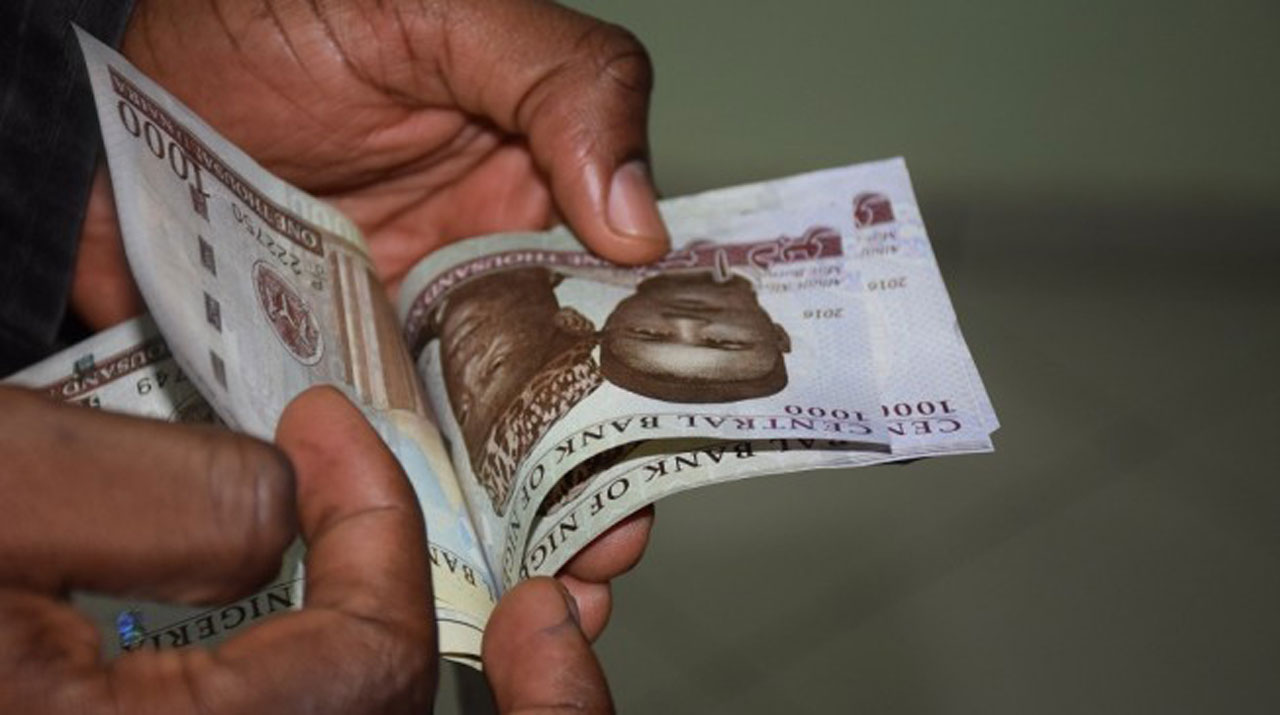
• Say refusalsuggests complicity
Stakeholders have described the House of Representatives’ failure to recommend punishment for vote-buying in the course of straw polls conducted by political parties as a tacit approval of the crime, regretting that the lawmakers have given the indication that vote heist would continue to define Nigeria’s electoral system.
Recall that the House of Representatives, while voting on the amendment of the Electoral Act, refused to criminalise vote-buying at the level of party primaries, even as the lawmakers voted on other items including real time transmission of election results.
Speaking to The Guardian on the development, many stakeholders, including the 2023 presidential election contender, Mr Peter Obi; the National Secretary of the Social Democratic Party (SDP), Olu Agunloye, criticised the lawmakers, warning that their decision further weakened Nigeria’s already fragile electoral system.
They described vote-buying during party primaries as one of the most damaging practices in the political process, arguing that candidates who resort to inducement at the stage of candidate selection were likely to deploy similar tactics during general elections.
Obi, who described the House’s refusal to criminalise vote-buying at party primaries as a setback to Nigeria’s democracy ahead of the 2027 General Elections, declared that the decision amounted to protecting a dysfunctional political system rather than safeguarding the country’s future.

In a post on X (formerly Twitter), the former Anambra State Governor said many Nigerians had expected lawmakers to take a firm stand against what he called the “cancer of vote-buying”, which continues to undermine the democratic process.
On his part, the General Secretary of the Nigerian Union of Journalists (NUJ), Achike Chude, said he was not surprised by the lawmakers’ decision, arguing that party primaries were where most electoral malpractices originated.
He said many aspirants believed that once they secured their party’s ticket, victory in the general election was almost guaranteed.Chude added that electoral laws should be strengthened to punish not only agents and voters who accept inducements but also politicians who orchestrate vote-buying.
Similarly, a former Minister of Defence and National Secretary of the Social Democratic Party (SDP), Olu Agunloye, described vote-buying at the primary stage as one of the gravest crimes against the nation.
He questioned the billions of naira and dollars allegedly spent by aspirants to induce delegates at party conventions, suggesting that lawmakers’ reluctance to criminalise the practice was driven by personal interest.
Also speaking, veteran journalist Wale Adeoye, described vote-buying as morally reprehensible, saying it would erode democratic values and enable the emergence of corrupt leaders.
While supporting the criminalisation of vote-buying at the primary level, Adeoye argued that such measures would be ineffective unless political parties were democratised and the influence of wealthy financiers curtailed.

