 Follow Us on Google News
 Follow Us on Google Discover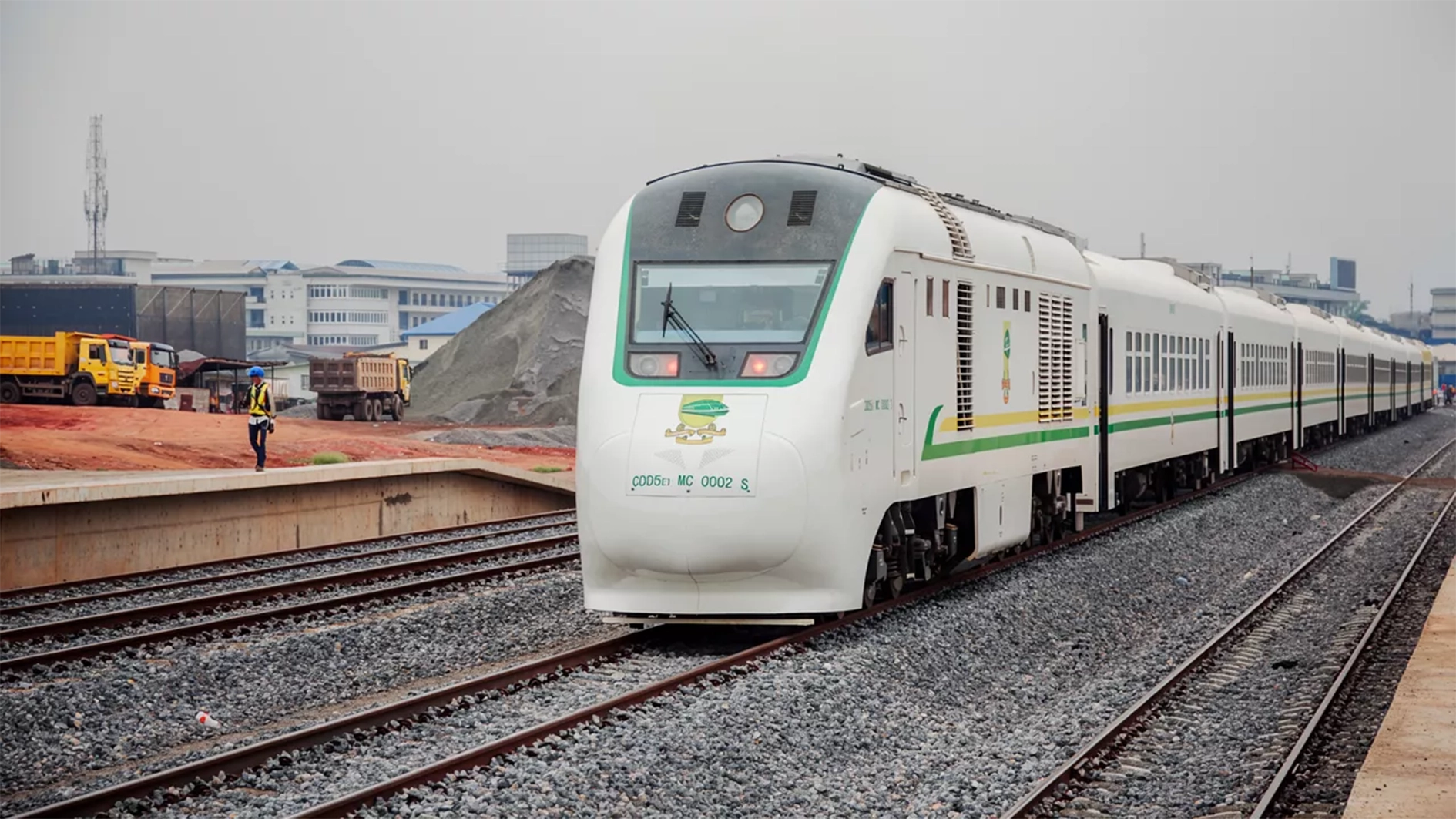
The Federal Government has earmarked more than N240 billion on rail-related projects in the 2026 Appropriation Bill, underscoring rail transport’s growing relevance to Nigeria’s infrastructure, urban mobility and logistics strategy.
An analysis of the budget shows that rail funding is spread across the Nigerian Railway Corporation (NRC), the Federal Ministry of Transport and major counterpart-funded rail projects, with spending dominated by capital expenditure.
At the operational level, the NRC received a total allocation of N34.24 billion, comprising N11.65 billion for capital projects and N22.58 billion for recurrent expenditure.
Capital expenditure relating to the NRC focuses largely on train procurement valued at N5.97 billion, N1.95 billion for railway rehabilitation, N560 million for track, bridge and culvert repairs and N420 million for rail construction to sustain existing rail services and improve safety.
Beyond the NRC, rail investments are embedded in the capital budget of the Federal Ministry of Transport. These include N29.04 billion for railway modernisation projects, covering ongoing intercity rail corridors such as the Kano–Maradi line.
Also, the government provided a substantial N102.3 billion as counterpart funding for the Lagos Green Line Metro Rail (Phase 1), reflecting a strong push towards urban rail development.

Further allocations include N68.5 billion for consultancy services for proposed rail corridors such as the Lekki–Ijebu Ode, Ore–Kajola and coastal rail lines, signalling continued investment in feasibility studies, project structuring and bankability preparation.
Taken together, the provisions put total federal spending and commitments to the rail sector over N240 billion, positioning rail as one of the most capital-intensive components of the transport budget.
Budget analysts noted that the funding pattern reflects a deliberate strategy of consolidating existing rail assets, advancing urban rail systems and preparing new corridors for private sector participation, rather than embarking on widespread new construction.

