 Follow Us on Google News
 Follow Us on Google Discover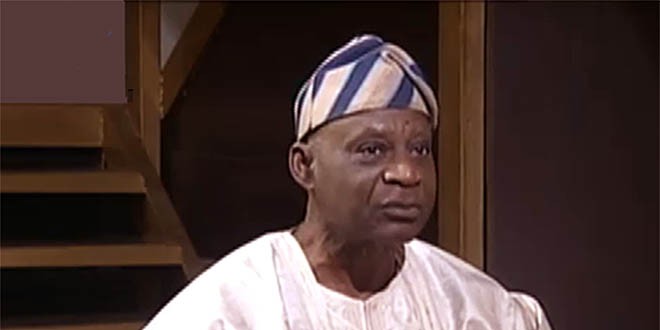
Former Senator, Femi Okurounmu, has noted that divergence of interests and values, particularly between the Fulani ethnic group and other indigenous nationalities, has continued to make peaceful coexistence increasingly impossible in Nigeria.
In a statement titled, “For the good of all, it’s time to split up Nigeria,” the former Ogun Central lawmaker and one-time chairman of the 13-member advisory committee that organised the 2014 National Conference dismissed restructuring as a spent idea, arguing that Nigeria’s problems had outgrown incremental reforms.
Okurounmu said the country’s deepening insecurity, persistent ethnic tensions and stalled development were rooted in what he described as irreconcilable differences among its constituent ethnic nationalities.
According to him, the divergence of interests and values, particularly between the Fulani ethnic group and other indigenous nationalities, has made peaceful coexistence increasingly impossible.
He warned that forcing Nigeria to remain united would only aggravate insecurity and retard development, just as it has done since 1966, when the regional system of governance was dismantled. Each of the four regions that existed at the time, he argued, would have progressed faster had they evolved as separate countries. “It is no longer patriotic to insist on keeping Nigeria as one country,” he declared.
The Afenifere stalwart urged President Bola Ahmed Tinubu to take advantage of what he described as a historic window to initiate a conference of credible leaders of Nigeria’s ethnic nationalities to negotiate a peaceful dissolution of the country. He proposed that Nigeria could split into at least two, and possibly as many as six, independent states, insisting that such a move would stand to Tinubu’s eternal credit.
Reflecting on past reform efforts, the former senator said many Nigerians once believed that restructuring could resolve the country’s incompatibility challenges. However, he maintained that the same forces that have made unity unworkable had also successfully blocked every meaningful attempt at restructuring. Even if imposed, he warned, such reforms would be short-lived and easily reversed.
He further pointed out that Nigeria’s crisis was embedded in fundamental differences in values and political outlooks, warning that anything short of separation risks plunging the country into another civil war.
According to him, a managed break-up would serve as the tonic needed to bring peace, justice and rapid development to the territories that currently make up Nigeria, allowing them to coexist as friendly neighbours and unlock their full potential beyond the constraints of a failed colonial arrangement.

