 Follow Us on Google News
 Follow Us on Google Discover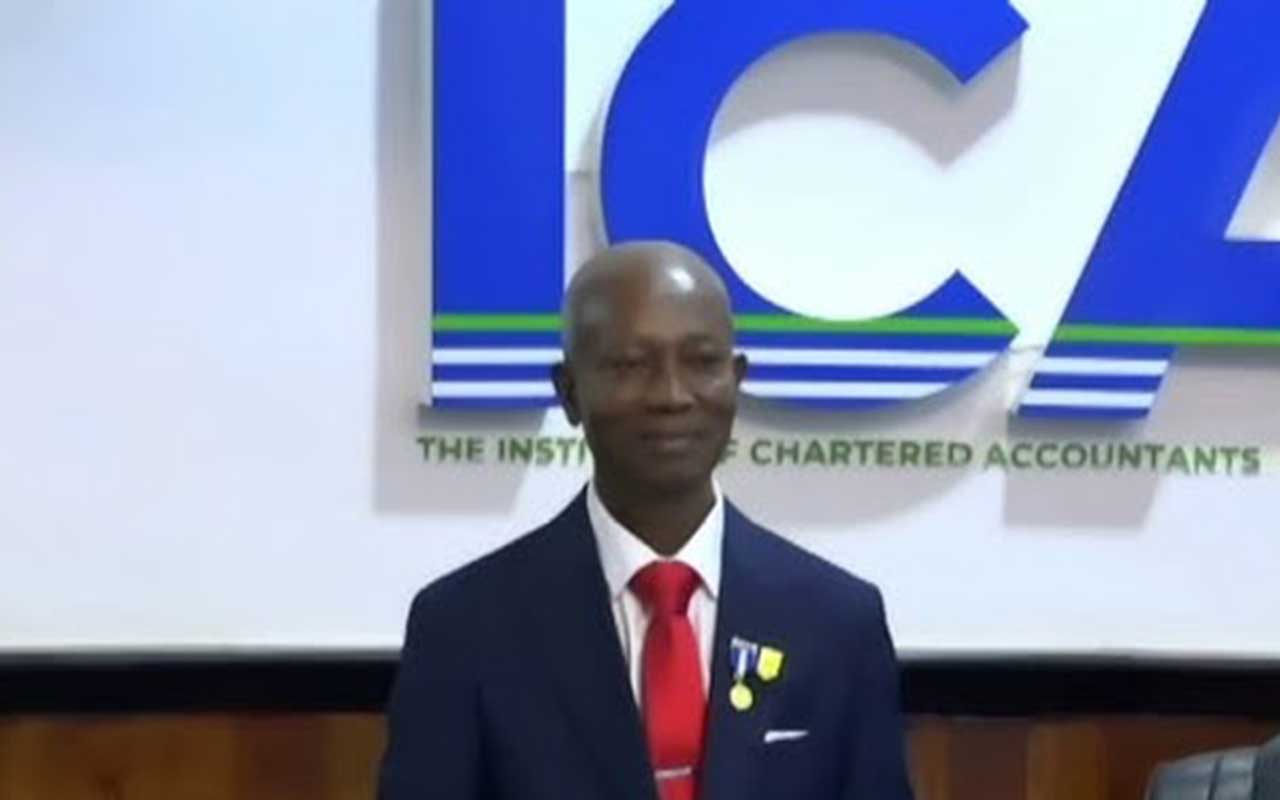
Policy makers, industry leaders and top professionals, yesterday, advised the federal and state governments to deepen accountability and transparency in the execution of various economic reforms this year.
The experts also urged the government to embrace fiscal discipline toward tackling existing distrust between the citizens and leaders, as well as prioritise the implementation of the Sustainable Development Goals (SDGs).
They spoke at the Institute of Chartered Accountants of Nigeria (ICAN) 2026 Economic Outlook, which examined what lies ahead and how accountability can drive sustainable national development.
Leading the charge at the forum entitled: “ICAN at 60, accountability as the bedrock of national development,” ICAN President, Haruna Yahaya, noted that in 2025, Nigeria’s economy showed clear signs of stabilisation, with real Gross Domestic Product (GDP) growth rising above four per cent in the second quarter, driven by renewed momentum in manufacturing, trade, and services.
Inflation, he said, though still elevated, eased toward the mid-14 per cent range by year-end, reflecting tighter monetary policy and improving supply conditions, with expectations of further moderation in 2026 if fiscal discipline is sustained.
These indicators, Yahaya submitted, point to an economy that is regaining balance and credibility – but one whose progress remains fragile and must be safeguarded through discipline, transparency, and accountability.

These weaknesses, the ICAN boss stated, create a cycle of distrust – and no economy can grow sustainably when trust is in short supply.
In his keynote address, Chairman, Presidential Committee on Fiscal Policy and Tax Reform, Mr Taiwo Oyedele, stressed the need to bridge the missing link in political, financial and performance accountability, and urged leaders to focus on sustainable development goals.
He said the economy is better positioned for growth in 2026 than in the previous years, with resilience as a result of the reforms of the government, but there has to be cautious optimism.
Oyedele noted that there could be slow global growth in 2026 for several reasons, including challenges in world-leading economies such as China, the United States, and the European market, which have been struggling for a while, as well as the reality of a pre-election year in Nigeria.
On national development, he emphasised that it is not just about GDP growth but the ability of the citizens to access basic necessities of daily living, adding that it matters how the country caters for the vulnerable.
Oyedele also debunked the notion that the tax reform would punish the poor; rather, he explained that the provisions would relieve the poor and low-income earners.
Chairman of Alpine Investment Services Limited, Mohammed Hayayu-Deen, said although economic growth is consolidating around the four per cent range, stability is not the same thing as prosperity, adding that the central question is not whether stability has begun, but whether it can be sustained and translated into outcomes that Nigerians can feel.
Founder and Chief Consultant of B. Adedipe Associates Limited, Dr Biodun Adedipe, said government’s interventions such as the Nigerian Education Loan Fund (NELFUND) and Consumer Credit Corporation need to be deepened to have significant impact on Nigerians.
Director General of the Manufacturers Association of Nigeria (MAN), Segun Ajayi-Kadir, on the other hand, lamented the country’s four to six per cent unemployment growth rate, adding that there has been an escalation of produced goods that cannot be sold.

