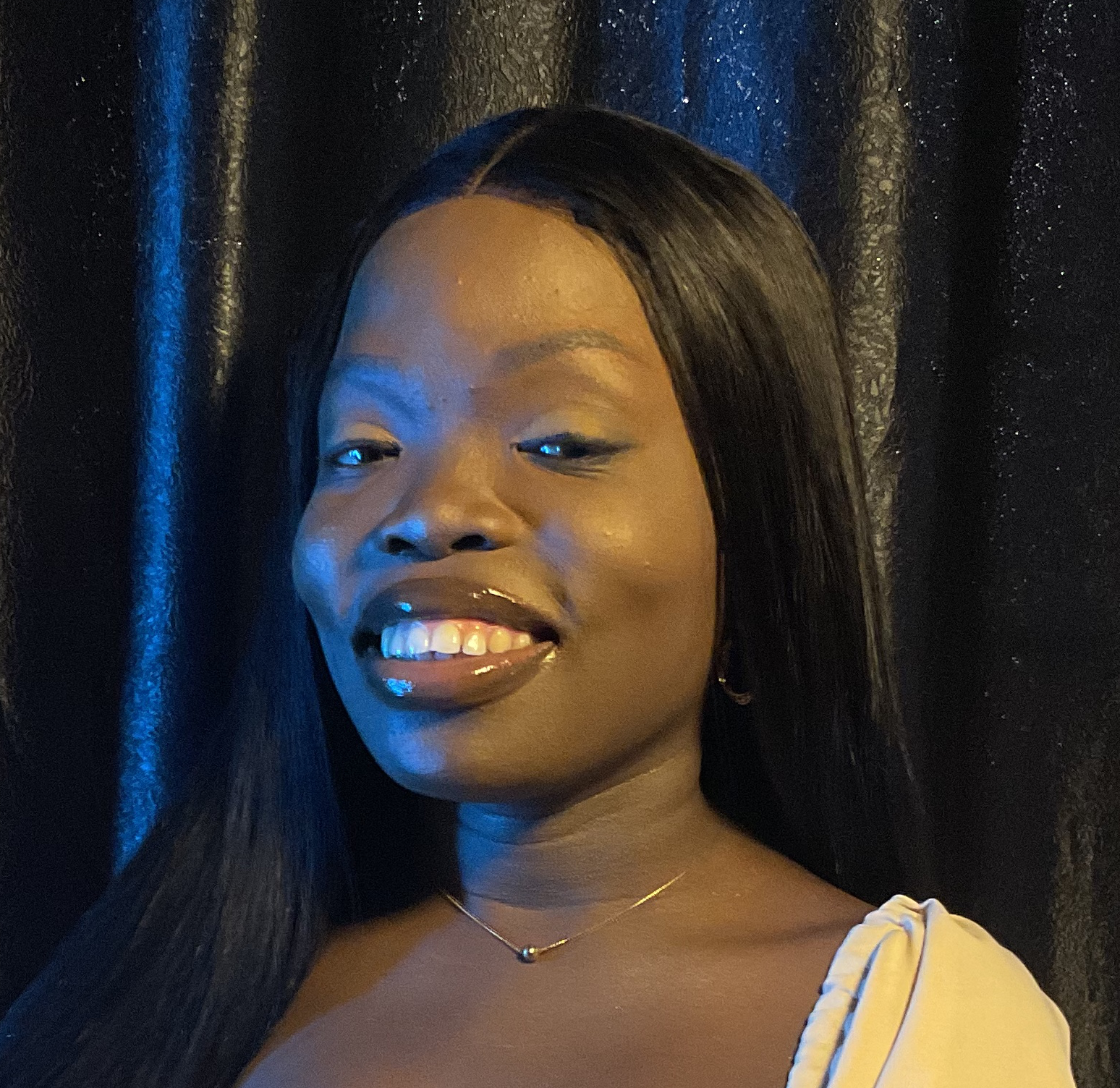
Layi Wasabi is a familiar face online, known for characters ranging from an overconfident lawyer and professor to Mr Richard, his mock motivational guru. Away from the camera, however, there is Isaac. He is quieter, reserved and more comfortable with movies, novels, a small circle of friends and the occasional new experience.
For him, Layi Wasabi is a character. Isaac is the person behind him. His journey into comedy was not carefully planned. Raised in Osogbo, Osun State, in a conservative Christian family that placed a strong emphasis on education, Isaac studied law after his mother encouraged him to choose something more conventional, despite his interest in acting and theatre.
That upbringing would later become part of his comedy. The professors, lawyers and other adults he grew up around became the inspiration for some of the characters that audiences now recognise.

His first attempt at creating content came around 2015, but he did not begin treating it as a career until 2020, going into 2021. By the end of 2022, the response was strong enough for him to see content creation as something he could do full-time. Today, he is looking beyond skits, with acting, live shows and other projects forming part of what comes next.
Who is Layi Wasabi when the camera is off?
Outside the camera, Layi Wasabi doesn’t even exist. Layi Wasabi is a character that only exists on screen. Isaac is a reserved individual, quiet, usually indoors. I don’t go out too much. I enjoy spending time with a small circle of friends, sometimes alone.
I watch movies, I read novels, and I like to take on new experiences. I think those are the things that also keep me creative. I also like to challenge my audacity to do things. Sometimes I put myself in situations that challenge me. Even in university, I would do things that pushed me out of my comfort zone.
What was growing up like for you, and did you always want to study law?
Growing up was basic, I’m not going to lie, because I come from a conservative family. I grew up in Osun State, Osogbo. I grew up in a Christian and education-oriented family. My family are people who believed you cannot do anything in life if you are not educated.
That was the kind of upbringing that I had. They ensured that I got the best education they could afford. They were also the ones who pushed me to study the course that I studied in school, law. I had an interest in law, but the interest also grew while studying it. I had more interest in entertainment and theatre.
When did comedy enter the picture?
I would say comedy found me because developing an interest in comedy was not any effort of mine. My mum used to rent VCDs when we were younger. I think I developed an interest in comedy when I started watching Night of a Thousand Laughs CDs. I would watch Yoruba films and the funny actors in them. I always loved watching them.
When did you start creating content seriously?
The first piece of content that I ever did was as far back as maybe 2015. But I didn’t take it as a serious occupation until around 2020, entering 2021. By the end of 2022, I started getting traction to the point where I felt like it was something sustainable for me. With the kind of momentum I was already gaining, I figured that if I took it seriously, 2023 it could be something sustainable for me. I’m happy that worked out. I wouldn’t necessarily say I have blown. We are still on that journey.
What goes into creating your content?
I love learning, and I think that is relatable to most people. People like to learn, and it is always interesting when you are able to do that passively. To me, I believe good content is supposed to entertain and educate. That is where I drew the inspiration to always leave the audience with something. Over time, it became my identity. I figured I’m most creative when I’m learning something new. So, for me, the process is to learn something new and then try to teach other people whatever I can.
What is the hardest part of creating a comedy: writing, performing or knowing when it is ready?
All three. It depends on the type of content. Some comedy might be easier to write than to perform. Some might be easier to perform than to write. When I’m writing to feature other people, for instance, it can be easier to perform because I cannot necessarily write for another character, especially when I’m featuring another skit maker. For solo content, sometimes I find it easier to write than actually perform it. Sometimes I write for a character that requires me to improve my acting skills. Then there is also knowing when to post. Sometimes you have written the content, edited it, and it is ready to go, but it might become time-sensitive.
Have you ever finished a comedy, watched it back and decided it was not good enough?
Yes. I still do that. It happened just last week. Sometimes it doesn’t fit the vision you have. Sometimes it falls below the standard that you consistently perform at.
When I feel that way about content, I will not just release it. I also consult people. I might show people and ask, ‘What do you think?’ I’m a team player. If I feel like a certain content is not good, I have a set of people that I trust to tell me whether it can fly or whether we should improve the idea for later.
Your lawyer character has become one of your most recognisable. What has playing him taught you about Nigeria?
I think Nigerians actually celebrate intelligence. I think Nigerians love to learn. I also think we appreciate consistency. That is one of the things that has brought me up until this point: the fact that I have been able to play this character for so long. People have come to appreciate that.
It teaches me that with Nigerians, be consistent and always try to add value. They appreciate value, and they appreciate consistency.”
What made the transition from skits to film feel natural?
So far, the strongest skill I have developed from comedy is acting. So, it was only natural for me to take it to the big screen. When I started getting offers from film directors and producers to be on projects, I hopped on them because that has always been the dream.
Right from secondary school, I had a drama group. We would perform on social nights and things like that. I had dreams of doing university plays after secondary school. So, acting has always been the plan for me, and I’m happy that it is actualising.
What did you have to unlearn when you stepped into a Nollywood set?
The challenge I had on my first day on a major Nollywood set was that it was the first time I was acting in front of so many people. I didn’t know what to do. With content creation, it is just you, your camera and maybe one person behind the camera.
You can easily fool yourself. If it doesn’t work, you delete the draft. But when you are on a set where there are millions of naira waiting for you to act, that can be very tense. I had to lose so much self-consciousness. When I’m in character, I’m in character fully, regardless of anybody around me. Letting go of self-consciousness was one thing I had to learn from acting in Nollywood.
What has fame taken away from you?
I’m grateful to God. Success has given me more than it has taken. But there are some things I miss. Sometimes I miss being able to go on the road, buy things, eat suya and laugh with people without so much attention. The only thing I miss sometimes is just being able to be private in public. I can only be private in my own privacy. Outside, I know I’m not just my own person anymore. I have become a character that people have come to love, so I have to deal with that.
Do you deliberately avoid trends when they do not fit your work?
I tend not to follow trends. Sometimes I do if it is convenient and I feel like there will not be any consequence. Chasing trends can be risky. I have seen a lot of people do that, and I’m not sure that is the template I want to emulate. I would rather consistently do what I’m doing regardless of what the trends say. One thing I believe, and I teach my students at GNCC, is that a seasoned comedian will outlive seasons. I like to season myself regardless of what the season says.
Can content creation really be a full-time career?
I think it depends on the individual. Content creation can be a full-time job. It is important to always have a secondary source of income when you are starting. You cannot necessarily start with content creation as your primary source.
But there is a level that you get to where you can focus on it and further expand your sources of income, even as a content creator. As of now, I do content creation full-time. But content creation is not just one way of making money. There are different platforms that pay you for your content. You advertise, you get acting gigs, and there are several ways you can make money as a content creator.
What is next for Isaac?
I’m working on having my own live show. I like the opportunity to meet people who admire and love what I do. There is the possibility of a more intimate show than even a grand stand-up, and there is the possibility of that in the future. Live shows, film projects and other collaborations outside of skits or the comedy industry are the things I’m working on in the foreseeable future.
What do you want to be remembered for?
I might not even know the specific answer to that. Maybe when I’m 50. But I just hope that whatever I’m remembered for brings a smile to the faces of people. I think I’m still very much early in my career and in life to decide what I want to be remembered for. For now, Isaac is still figuring that out.