To ensure sustainable, smart, and safe pastoralism in Nigeria, the Federal Government has been urged to adopt grassland intensification by cultivating large expanse of pasture fields.
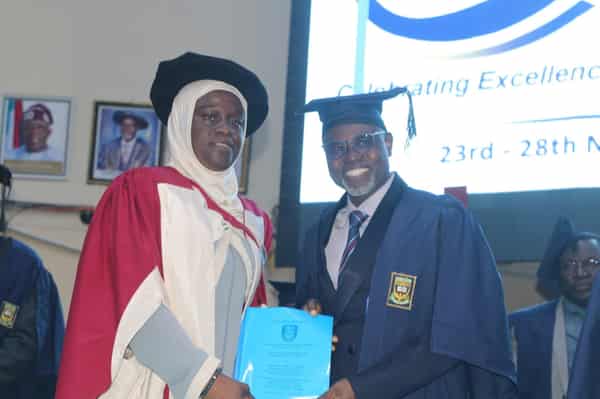
A scholar of Rural Livelihoods in the Department of Agricultural Extension and Rural Development, Faculty of Agriculture, University of Ilorin, Kwara State, Prof. Sidiqat Adeyemi Aderinoye-Abdulwahab, made the call while delivering the 289th Inaugural Lecture of the university, titled ‘Sustainable, Smart, and Safe Pastoralism in Nigeria.’
Her words: “Grassland intensification through the cultivation of Napier grass in particular, and its processing into silage and hay in order to ensure environmental security and availability of quality forage and feed for all year round use, can serve as an enduring means to reduce the greenhouse emissions in the environment as well as solve the ravaging security issues in the country.
“Napier grass is fast growing tropical forage that can be cultivated on any type of soil and it reaches maturity in three months. This means it can be harvested three to four times in a year, thereby helping to attain feed sufficiency for ruminant animals. Napier grass cultivation is expected to result in improved environmental sustainability through enhanced soil conservation, reduced land degradation, and increased carbon sequestration. Scaling up Napier grass cultivation will translate into the establishment of demonstration plots, and development of Napier grass value chains.”
Aderinoye-Abdulwahab observed that pastoralists, who are the custodians of cattle, are usually located in dry regions, where impact of climate change has translated into scarcity of resources, insufficient pasture, and shortage of water for their livestock.
“As a result, pastoralists migrate to the guinea savannah and rainforest regions, where they encroach and feed on farmers’ crops causing conflicts and severe losses to the farmers.
“We, therefore, need to forge a path devoid of any encumbrance that will incorporate cultural factors, relevant government policies, and extension services to allow pastoralists to continue their livelihood strategy in a peaceful manner without encroaching on farmers’ spaces, thereby reducing/eliminating the altercations between them,” she said.
She also urged the government to increase budgetary allocations to the Ministries of Agriculture and Livestock Development, noting that such an increment should be at least 10 per cent of the total budget.
She added that the government should employ qualified livestock extension agents, as well as train and retrain extension agents towards addressing the livelihood, environmental and social insecurity challenges facing pastoralism in the country.
Aderinoye-Abdulwahab further urged the federal and state governments to enforce existing laws that support Climate-Smart Agricultural Practices (CSAPs), stressing that there was a need to control open grazing, indiscriminate tree-cutting and firewood/charcoal business owners.
The don advised pastoralists to adopt smart pastoralism, explaining that this includes the adoption of climate-resilient breeds, the use of drought-tolerant pasture species, improving rain water harvesting, water conservation, and efficient irrigation systems.
She added: “Policy makers should formulate and implement relevant pastoral policies that will enhance the implementation of existing grazing reserves and ranching. Pastoralists need to urgently abate soil erosion and deforestation as well as increase carbon stocks by reducing greenhouse gas emissions, to ultimately reduce climate change impacts. Again, extension agents have a huge role to play in achieving this. The newly established Ministry of Livestock Development should promote safe pastoralism by educating and enlightening pastoralists as well as creating conflict mediation units that will specifically serve the needs of pastoralists through massive deployment of livestock extension workers.
“Extension agents should promote a safe environment among pastoralists by encouraging them to embrace dialogue, negotiation, mechanisms, and conflict resolution. The Federal Government should create social protection programmes to strengthen resilience of pastoralists’ wives. This should include institution of skill acquisition programmes and empowering pastoralist women through income diversification as this will help them mitigate and adapt to climate change impact. This will also reduce the pressure on resource use scarcity.
Extension agents should incorporate enlightenment and campaign against discrimination of the pastoralists among the host communities.” Aderinoye-Abdulwahab charged livestock extension agents to provide sensitisation and socio-cultural campaigns to encourage inter marriages between pastoralists and their hosts (the farmers).
According to her, “this will ensure they imbibe each other’s social values and help to foster peaceful coexistence.” She tasked the Nigeria Meteorological Agency (NiMET) to step up their game by adequately scaling down weather forecast information through media and viable agro-climate cooperative to farmers as well as pastoralists.