 The Niger Delta Power Company Limited (NDPHC) has tremendously buoyed power supply in the country with several power projects since its incorporation in 2005, an industry expert, Yakubu Lawal has said.
Lawal, a power sector expert and astute Media/Public Relations Consultant at Hawalsha Nigeria Limited, disclosed this during a training for Power Correspondents Association Of Nigeria (PCAN) organised by NDPHC in Calabar, Cross River State.
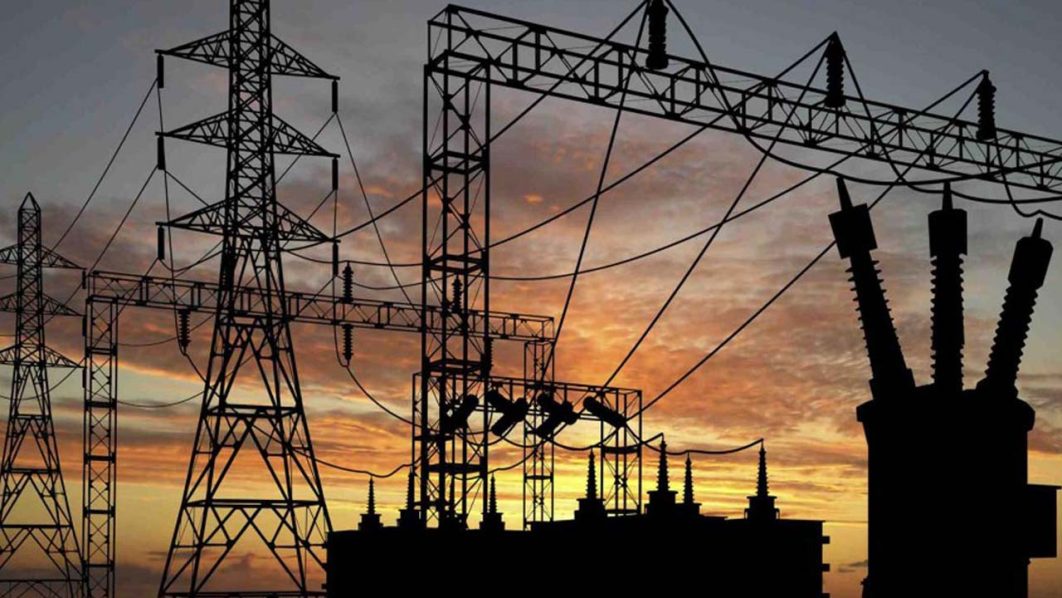
He listed some of the interventions to include the construction of 10 National Integrated Power Projects (NIPP) generation stations with a designed combined capacity of 5,453 MW at (ISO) condition and 4,477MW (NET).
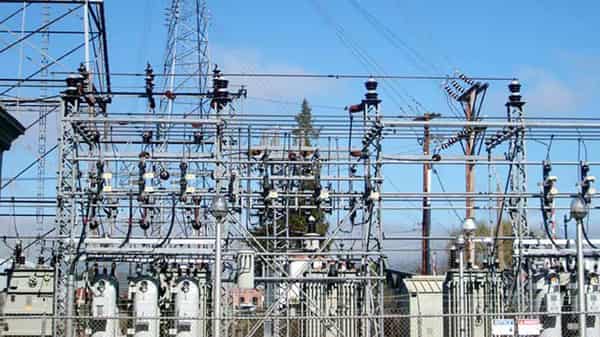
He also talked about NDPHC’s transmission projects of over 110 projects, in the area of transmission substations, high-tension lines of 330Kv and 132kV across the country.
He added that the company has delivered over 300 distribution injection sub-stations, several kilometres of lines and over 25,000 Complete Self Protected (CSP) transformers across the country, while gas infrastructure were constructed for nine of the 10 power stations and lately delivered renewable solar energy to the less underserved customers in most states across the country.
Taking the participants through the recent energy generation profile, he put the peak power generation in the year so far at 5,183.70 Mega Watts (MW), which was realised on February 1, 2022 at 21:15Hrs.
Quoting figures by the Nigeria Electricity Supply Industry (NESI), Lawal said that the available power generation as at December 9, 2022 was 4,411.30MW.
Lawal, however, urged media practitioners to be objective in reporting and present their subjects in a professional manner. He also urged them to proffer solutions to societal problems.
Lawal said globally, energy is identified as a critical enabler for economic development; hence the role of media in development is pertinent, especially as it relates to adopting development journalism.
He said that media practitioners who practice developmental journalism are those using their profession to impart knowledge and skills that contribute to the development of their countries.
To promote energy access, Lawal said that the media must first be trained and (maybe mentored) to have a broad understanding of the issues that face the sector.
This, he said, would enable journalists to be more analytical and self-driven in researching, documenting and reporting the untold stories.
“Secondly, the media can and should aid consumer intelligence by consuming, digesting and decrypting the technical language and terminology into a ‘lay man language’,” he stated.
Describing the media as the watchdog of the society, Lawal said that journalists could be instrumental in making an otherwise perceived global crisis become personal problem, which must be dealt with holistically.
He said: “The newest entrant called the new media have wide-ranging implications for media practice. They have radically altered the ways in which institutions operate and leaders communicate. They have transformed the traditional media system, and redefined the role of journalists. They have redefined the way things are done, and how citizens engage their leaders.
“The rise of new media has complicated the traditional media system. Legacy media consisting of established mass media institutions that predate the Internet, such as newspapers, radio shows, and television news programmes, coexist with new media that are the outgrowth of technological innovation. While legacy media maintain relatively stable formats, the litany of new media, which includes websites, blogs, video-sharing platforms, digital apps, and social media, are continually expanding in innovative ways,”