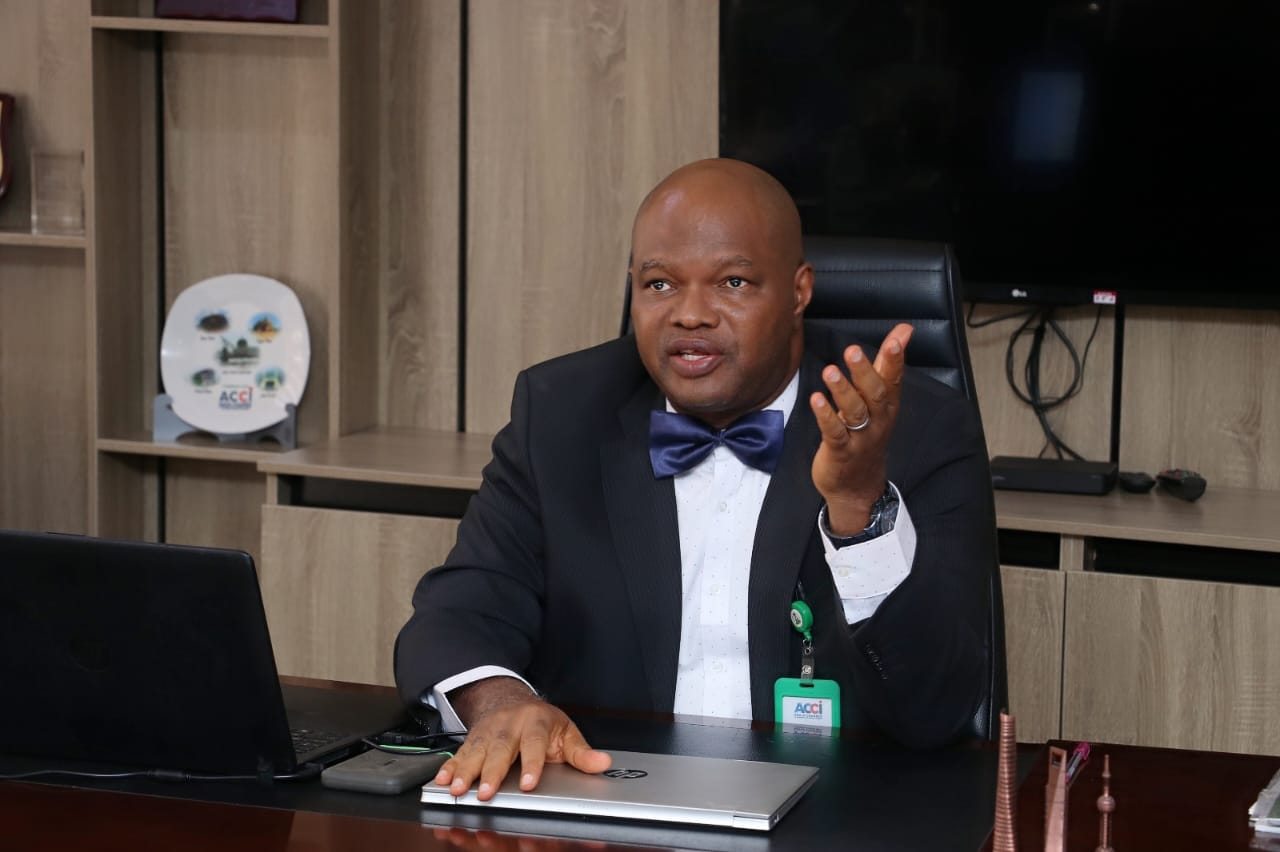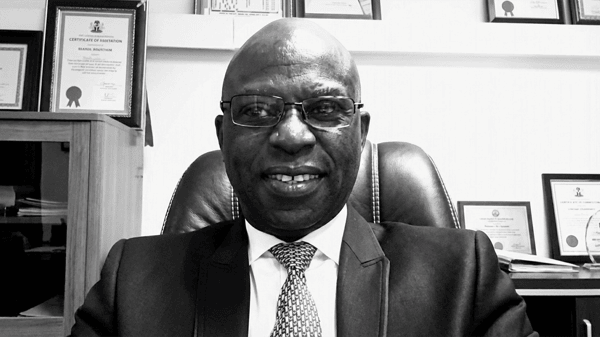
A former rector of the Nigerian College of Aviation Technology (NCAT), Zaria, Capt. Samuel Caulcrick has called on the Airline Operators of Nigeria (AON) to urgently press the Federal Government to temporarily assume responsibility for the ticket sales charge (TSC) and cargo sales charge (CSC) on domestic tickets and local airfreight.
Caulcrick warned that the survival of local airlines was at stake with the various charges, levies and taxes imposed on them by various agencies and organisations in the sector.
Speaking with The Guardian in Lagos at the weekend, Caulcrick said the proposal had become imperative ahead of the implementation of the tax reform, scheduled to take effect from January 1, 2026, which he described as an added financial burden on an already overtaxed aviation sector.
Under the tax reforms signed into law in June 2025, the Federal Government reintroduced value-added tax (VAT) on domestic airline tickets and customs duties on imported aircraft, engines and spare parts.
Industry stakeholders have argued that the measures, when combined with existing statutory charges, could push local airlines to the brink. Industry players estimate that over 70 per cent of the cost of an airline ticket in Nigeria is made up of taxes, charges and fees.
This situation, they explained, could lead to higher fares, declining passenger traffic and possible airline failures if left unaddressed.
According to Caulcrick, domestic carriers are already weighed down by the 5 per cent TSC/CSC mandated under the Civil Aviation Act 2022, which is collected by airlines at the point of sale and remitted to the Nigeria Civil Aviation Authority (NCAA) for distribution among aviation agencies.
He added: “Many Nigerian airlines do not even make up to a five per cent net profit margin. Yet they are required to collect and remit a five per cent sales charge. With the new tax regime coming in 2026, this becomes unsustainable.
“As of today, this is the hottest issue in the industry. Unless there is timely intervention, the sector risks severe disruption before January 2026.”
Caulcrick stressed that airline operators were not seeking protectionist policies, but rather a fair and competitive operating environment consistent with the International Civil Aviation Organisation (ICAO) standards, which recommend that aviation charges be cost-recovery based.
He argued that since the TSC and CSC were institutional charges established by law, the Federal Government should temporarily absorb them for domestic operations, pending any future review of the enabling Act.
“The government must be made to commit to covering the TSC and CSC, at least for domestic tickets and local cargo.
“This is something the industry should have highlighted more forcefully before the National Assembly passed the tax bills,” he said.
While the Federal Inland Revenue Service (FIRS) has maintained that the tax reforms were designed to improve ease of doing business and boost government revenue, Caulcrick insisted that meaningful engagement with airline operators was now unavoidable.
He also pointed out that the Civil Aviation Act 2022 was recently amended, and no immediate legislative changes were expected that would alter the legal basis for the five per cent charge, further complicating the outlook for airlines.