The Investments and Securities Act (ISA) 2025 must be implemented with clarity and consistency to enhance the country’s prospects of achieving a $1 trillion gross domestic product (GDP) target.
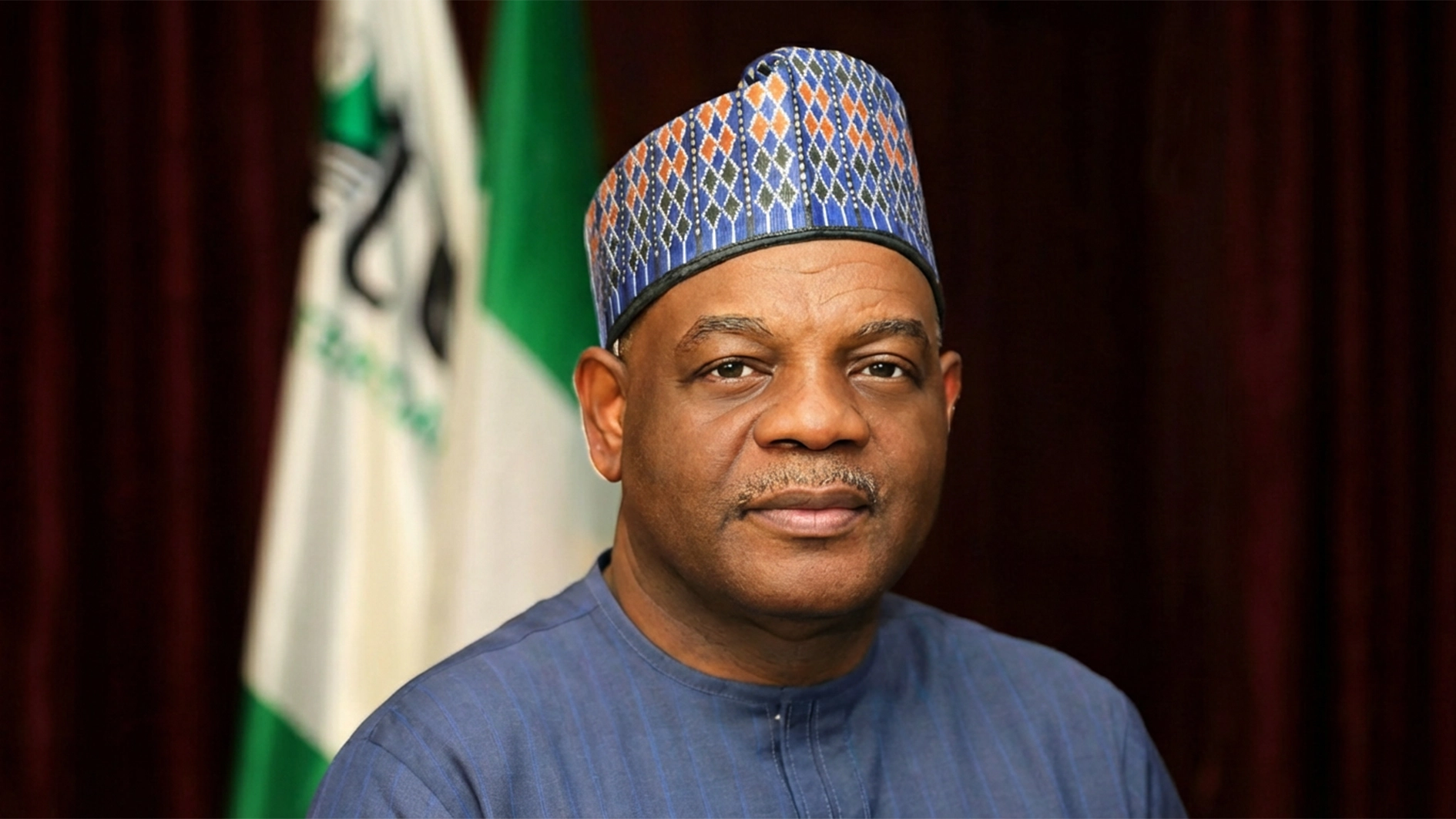
Group Managing Director of GTI Capital, Abubakar Lawal, stated this while delivering a keynote at the 2025 yearly conference of the Capital Market Correspondents Association of Nigeria (CAMCAN) held in Lagos.
Lawal said the ISA 2025 cannot remain a theoretical framework but must be transformed into an instrument for national economic growth. Lawal, represented by the Managing Director of GTI Capital, Kehinde Hassan, argued that for the act to serve as the bedrock of Nigeria’s trillion-dollar economy aspiration, its roll-out must be marked by clarity, consistency and with unwavering collaboration among regulators, operators and other market stakeholders. He said the country stands at a crucial moment where fragmented efforts and isolated initiatives can no longer be tolerated.
According to him, strategic planning must align seamlessly with the Revised Capital Market Master Plan to avoid policy dissonance and institutional divergence.
What Nigeria requires now, he insisted, is a unified roadmap – one that integrates ISA 2025 into the broader architecture of the country’s economic vision.
Lawal maintained that if the country commits to disciplined implementation, cross-institutional cooperation, sustained education and responsible innovation, the $1 trillion target will not only be met but surpassed with enduring socioeconomic benefits. He added that the coordinated actions would position Nigeria as a continental and global example of innovation-driven prosperity and inclusive growth.
Lawal said ISA 2025 armed the country with more than just rules, adding that it offers tools, structure and opportunity.
However, he argued that laws, no matter how well crafted, remain powerless without intentional follow-through. Hence, Lawal suggested that implementation should be governed by fairness and regulatory foresight, while operators must embrace a culture of innovation anchored on responsibility.
He highlighted the urgent need for widespread education to support the Act’s transformative potential. He emphasised that awareness campaigns must penetrate every region, ensuring that investors understand their rights; entrepreneurs recognise emerging opportunities and the general public fully grasps the protection they get under the new regulatory regime.
Expanding on the substance of the legislation, Lawal described ISA 2025 as nothing short of a revolution and a reform that redefines Nigeria’s economic trajectory.
He listed the Act’s major reforms to include recognition of digital and virtual assets, classification of investment contracts as securities, expansion of eligible issuers, establishment of specialised exchanges, broadening of non-interest instruments including sukuk, strengthening of commodities exchanges and warehouse receipt systems and enhanced powers for the Securities and Exchange Commission (SEC).
He added that the reforms collectively tie into the $1 trillion economic agenda while amplifying youth empowerment, especially through digital assets.
The GTI Capital chief underscored that this transition is fundamentally about people, particularly the millions of young Nigerians who make up over 60 per cent of the population. He described them as digital natives whose creativity, resilience and technological fluency equip them to drive Nigeria’s next economic chapter.
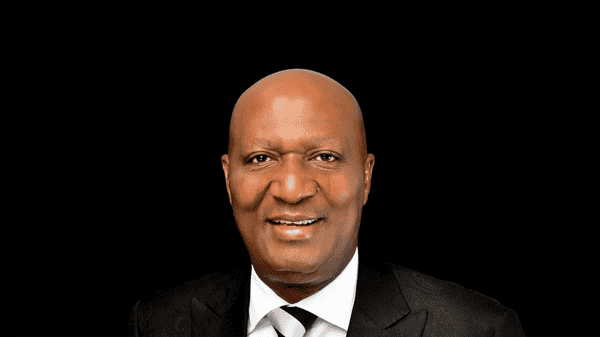
Also speaking at the event, President of the Independent Shareholders Association of Nigeria (ISAN), Moses Igbrude, emphasised the need for efficient and impartial implementation of ISA 2025 to drive sustainable growth in the nation’s capital market.
Igbrude highlighted that for ISA 2025 to achieve its full potential, regulators must not only enforce the law independently but also build the capacity to oversee all its provisions effectively.
According to Igbrude, the SEC should exercise a regulatory role with fairness and foresight, allowing market operators the freedom to execute their business activities without interference, while ensuring that compliance and governance standards are maintained at the highest level.
He stressed that regulators must build and sustain the capacity to effectively manage every aspect of ISA 2025, from emerging digital assets to traditional investment instruments, ensuring that the law is not only enforced in the short term but embedded into long-term strategic planning.
Highlighting the importance of infrastructure, Igbrude pointed out that the development of a fully integrated and synchronised ecosystem is essential to facilitate seamless market operations.
He envisioned a one-stop platform where all stakeholders, including investors, operators, and regulators, can interact efficiently from the initiation to the conclusion of every transaction.
Such infrastructure, he noted, would eliminate operational bottlenecks, enhance transparency, and create a cohesive environment that fosters innovation, efficiency, and trust across the market.
Igbrude also placed significant emphasis on investor protection, particularly for minority and core shareholders, noting that safeguarding their interests is fundamental to cultivating confidence and participation in the capital market.
He advocated mandatory representation of minority shareholders on corporate boards, ensuring that their voices are heard in key decision-making processes.
This, he argued, would strengthen corporate governance, reduce the risk of exploitation, and provide a more equitable distribution of power within market institutions.
Beyond regulatory enforcement and infrastructure, Igbrude stressed that effective implementation of ISA 2025 requires education, awareness, and collaboration among all market participants.
He said there is a need for investors to understand their rights while operators and regulators recognise their responsibilities and consistently demonstrate the competence necessary to uphold the law.
By adopting this holistic approach, Igbrude argued that Nigeria could transform its capital market into a dynamic, transparent, and inclusive system capable of supporting long-term economic growth and positioning the country as a model for financial innovation and governance in Africa and beyond.
Igbrude emphasised that the promise of ISA 2025 will only be realised through deliberate, coordinated action where independent regulation, strategic capacity building, comprehensive infrastructure, and meaningful investor protection converge to create a market that is efficient, fair, and future-ready.
This, he noted, is the pathway to ensuring that Nigeria’s capital market not only meets domestic expectations but also competes effectively on the global market.