Nigeria’s push toward off-grid electricity solutions, particularly solar mini-grids and standalone renewable systems, is helping to reduce energy poverty in underserved and rural communities.
However, energy analysts warn that the pace of progress remains grossly inadequate when weighed against the country’s population growth, weak financing structures and pending infrastructure deficits, raising concerns over whether current interventions can deliver universal energy access anytime soon.
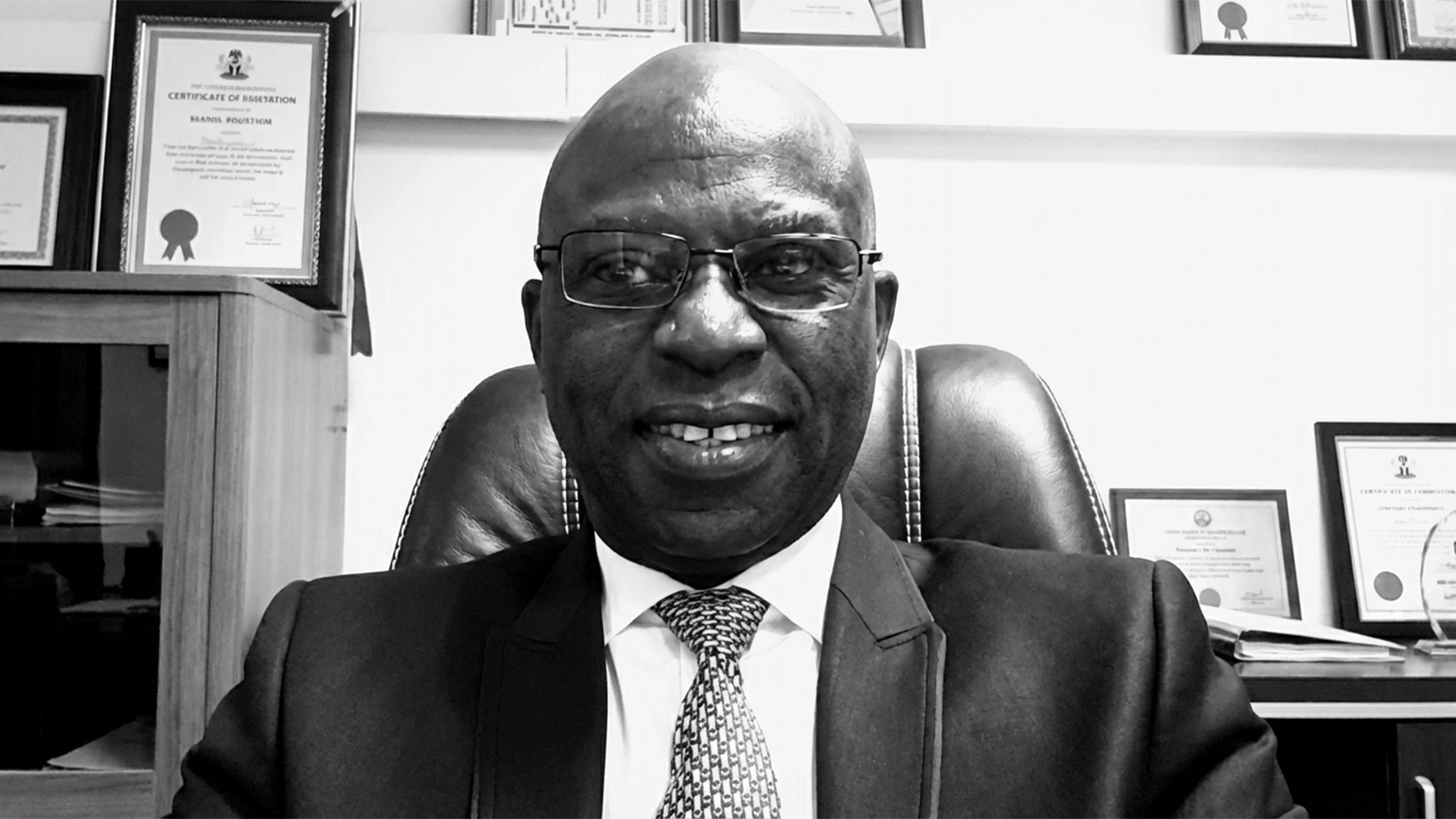
Speaking with The Guardian, an energy analyst, Prof. Dayo Ayoade, acknowledged that the Rural Electrification Agency (REA) has recorded measurable progress in deploying off-grid energy solutions across the country, particularly in 2025, but stressed that the achievement must be viewed in the proper context.
“If you look at the REA, it has made progress. I am sure their website talks a lot about their progress in 2025 statistics. Maybe about a million-plus households and thousands of SMEs have benefited from the reduction in energy poverty as they expand off-grid energy,” he said.
Yet, Ayoade argued that headline figures often mask the deeper scale of Nigeria’s electricity access crisis. According to him, when cumulative gains from off-grid electrification over the past decade or more are considered, the impact remains marginal relative to national needs.
“These numbers are fine, but you must consider those numbers altogether since the electrification policy started, the National Electrification Policy (NEP). I do not think we have lifted more than up to 10 million people out of energy poverty,” he said.
He added that if authorities are given the benefit of the doubt and credited with lifting 10 million households out of energy poverty over the last two decades, the figure is low in comparison with Nigeria’s over 200 million population, especially with estimates indicating that more than 90 million Nigerians still lack access to electricity.
“So, you have to consider their progress against the reality of the numbers because of our huge population growth, problems with financing, problems with funding, always poor implementation strategies and lack of infrastructure, there is still a massive gap despite the efforts of the REA,” he added.
The off-grid expansion drive has largely been positioned as a practical response to the limitations of Nigeria’s national grid, which has suffered repeated collapses, chronic underinvestment and operational inefficiencies.
Solar mini-grids, in particular, are increasingly being deployed in rural and semi-urban communities where grid extension is either technically difficult or commercially unviable, he said.
However, Ayoade cautioned against viewing off-grid solutions as a silver bullet. While he noted that solar mini-grids have the potential to be cheaper and more reliable, especially because they are not tied to the frequently failing national grid, Ayoade emphasised that long-term cost efficiency still favours a well-built and properly-managed grid system.
“If you had all the money in the world, you would be better off building a proper grid system. It would be cheaper in the long run because of the way power is distributed. But for our particular situation right now, solar mini-grids may well be cheaper and perhaps a bit more reliable,”
Also, an electricity market analyst, Lanre Elatuyi, said while the energy access gap remains wide, the REA has intensified efforts to close it under its current leadership, particularly through large-scale donor-supported programmes.
“Significant efforts have been made and more is currently being made by the REA to close the energy access gap under the current leadership of the agency,” Elatuyi said.
He highlighted the Distributed Access Through Renewable Energy Scale-Up (DARES) programme, led by the REA and funded by the World Bank, which aims to provide electricity access to about 17.5 million Nigerians through renewable energy solutions.
Elatuyi added that the agency has also deepened collaboration with state governments, noting that several memoranda of understanding (MoUs) have been signed to expand electricity access through partnerships involving states and renewable energy service companies (RESCOs).