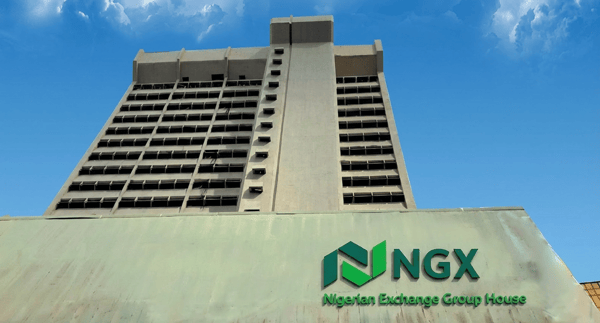
Managing Director of Financial Derivatives Company, Bismarck Rewane, said the capital market capitalisation may grow by 190 per cent from its current N91 trillion to N262 trillion next year.
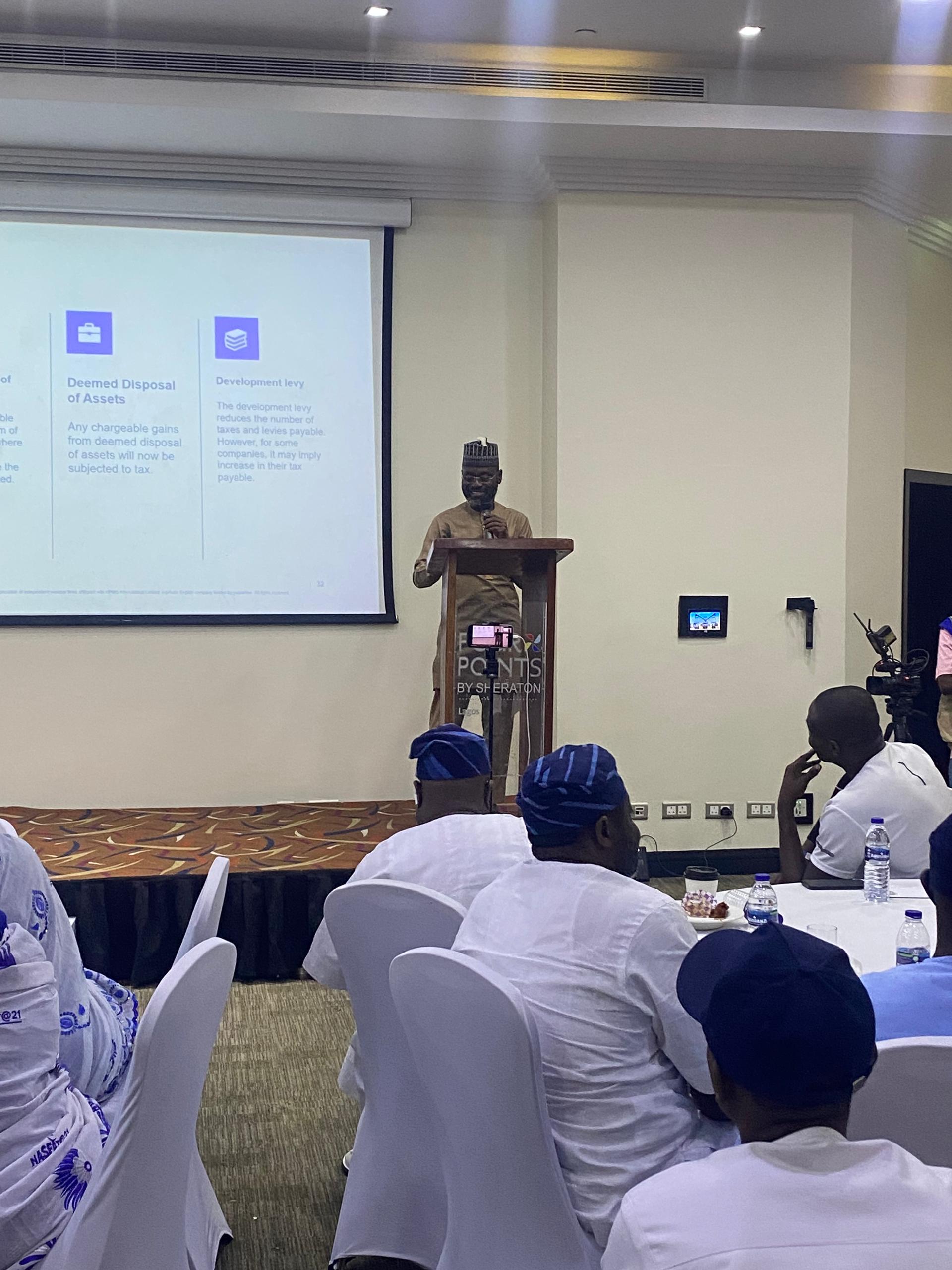
He stated this at the 2025 Parthian Economic Discourse held in Lagos last week.
He said the market could surge to N262 trillion in 2026, N393 trillion in 2027 and N590 trillion by 2028, driven largely by long-awaited big-ticket listings, improved corporate earnings and higher market efficiency.
Rewane argued that with new entrants such as the Dangote Refinery, valued at about $32 billion and potential NNPC Limited’s listing, the stock market could grow from about 20 per cent of GDP to nearly 80 per cent in the medium-term, transforming it into a more dominant engine of capital formation.
“The stock market is becoming a bigger source of national savings and corporate financing. These listings will alter the structure of the market and significantly influence growth,” he said.
He noted, however, that achieving such expansion would depend on macroeconomic stability, moderating inflation and an interest-rate environment that supports investment.
He stressed that external reserves must be viewed against rising debt obligations, saying the recent uptick was largely due to Eurobond inflows.
Beyond market metrics, Rewane emphasised the urgent need to “build an economy that works for Nigerians,” noting that diaspora remittances remain a stabilising force but could weaken as global labour markets adjust to AI disruptions.
He added that Nigeria’s revised GDP of $250 billion still makes the government’s ambition of reaching $1 trillion economy by 2030 unrealistic without an increase in productivity, investment and security.
Group Managing Director, Parthian Pension, Oluseye Olusoga, warned that Nigeria risks losing competitiveness within the African Continental Free Trade Area (AfCFTA) if the private sector continues to falter.
He said countries such as Togo and Benin are already leveraging AfCTA for industrial expansion and positioning themselves to capture value from Nigeria’s consumer base.
“If we don’t fill the regional vacuum, others will. Investment follows security and security is now our biggest economic variable,” he added.