Despite the push from fossil fuel due to net-zero concerns, Organisation of Petroleum Exporting Countries (OPEC) has said demand for the products would continue to power the transportation sector.
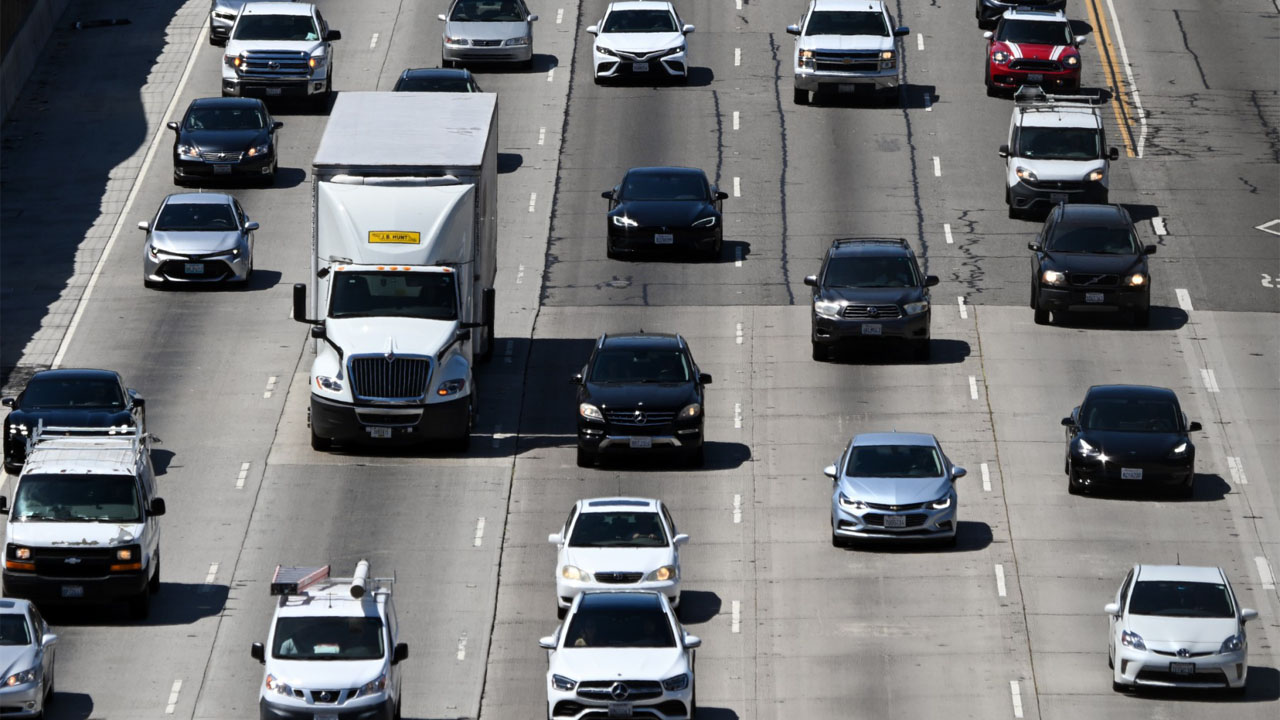
The growing rate of electric vehicles, according to new research by OPEC may not drastically limit internal combustion engine vehicles while electric vehicles, including battery electric vehicles (BEV) are expected to account for the largest share of fleet additions in the long term.
OPEC said that vehicles would retain their leading role, with a global share of more than 70 per cent in 2045.
OPEC noted that the petroleum industry, like all sectors, relies on investment to develop and adapt technologies that could address the climate challenge.
It added that efforts to restrict investment opportunities limit the industry’s ability to become more sustainable while meeting growing consumer demand.
OPEC had noted that global oil-related investment requirements total $12.1 trillion as of 2022 over the long term.
Of the fund, OPEC said $9.5 trillion is needed for the upstream, $1.6 trillion for the downstream, and $1 trillion in the midstream, adding that North America represents the bulk of upstream investments for most of the forecast period.
The development is coming at a time when oil companies and investors across the world are slowing down regarding their investment portfolios in fossil fuels.
Despite the push for energy transition, Senior Research Analyst, Energy Studies Department, OPEC, Dr. Haris Aliefendic, stated that global oil demand is rising and would increase by close to 13 million barrels per day, rising to 110 mb/d in 2045.
According to him, growth would slow after the medium-term period but oil demand would reach almost 110 mb/d in the long-term.
Aliefendic noted that the largest incremental demand would be in India, Asia and Africa. He noted that global energy demand would also increase by 23 per cent to reach 351 mboe/d in 2045 as renewables would mark the fastest and largest growth.