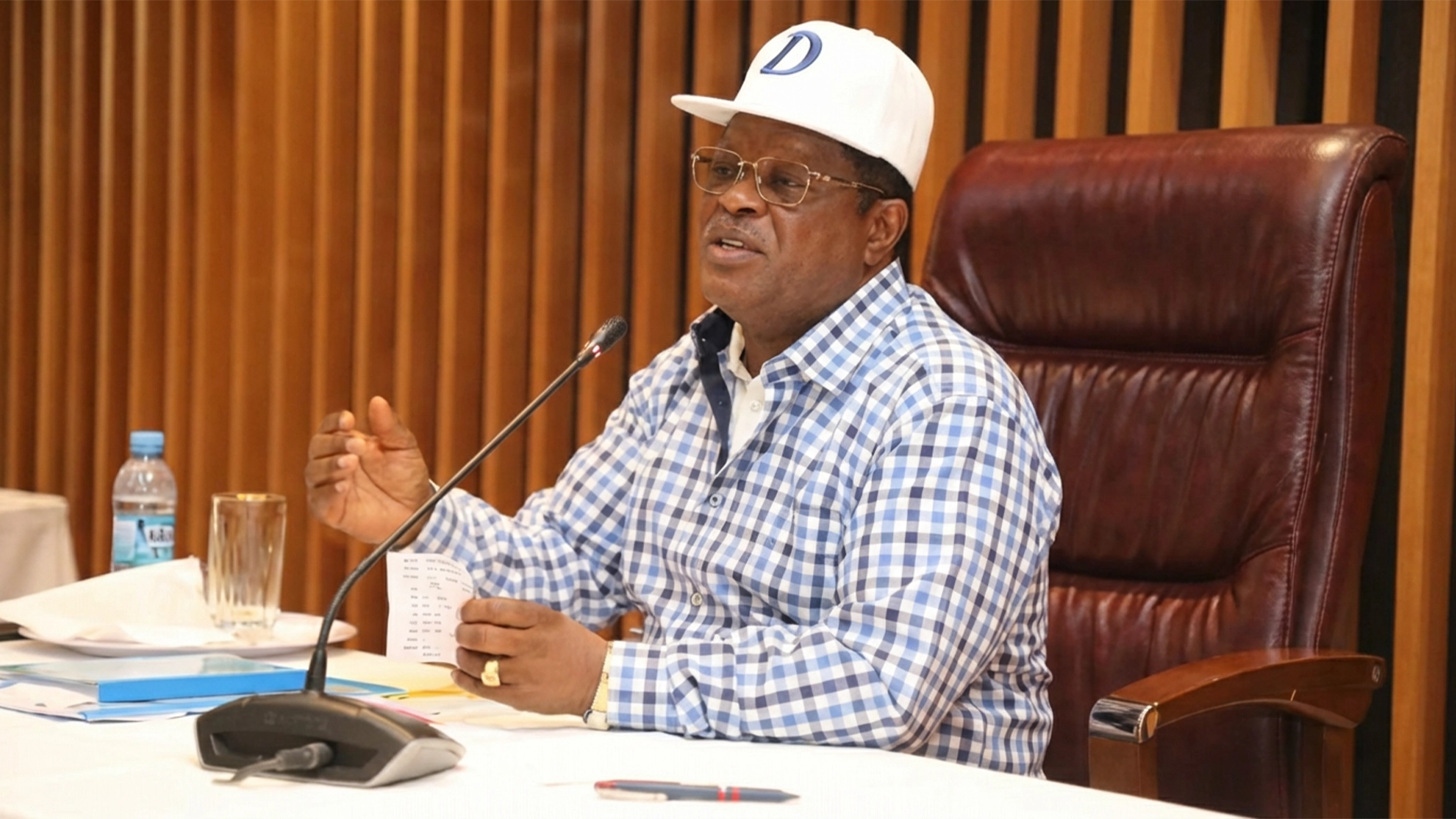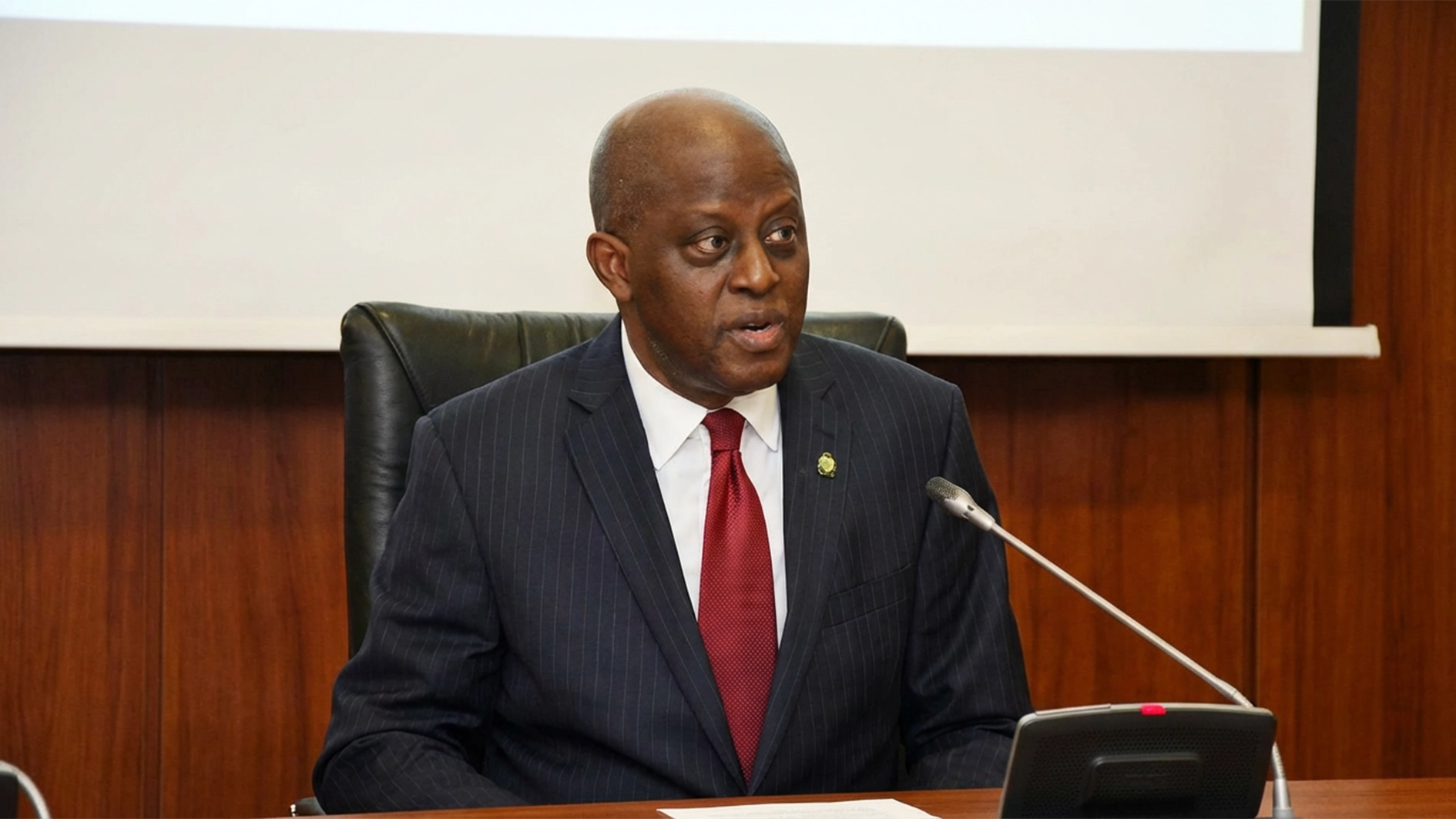
As Abuja prepares to mark its golden jubilee, the Light Up Abuja Project is poised to serve as a glowing testament to a city ready to reclaim its place among the world’s great capitals, Federal Capital Territory (FCT) Minister, Nyesom Wike, declared as he launched the Integrated Hybrid Solar Street Lighting Project for the nation’s capital on Thursday.
In a spirited address marking the flag-off of the Light Up Abuja Project, Wike declared unwavering commitment to transforming Abuja into a well-lit, secure, and modern capital city despite persistent efforts to derail progress through what he described as “fabricated stories, sabotage, and politically motivated attacks.”
The minister disclosed that the project is central to the broader developmental vision for Abuja as it approaches its 50th anniversary in February 2026.
The Light Up Abuja Project entails the installation of state-of-the-art 300W solar-powered hybrid streetlights, with luminous capacities ranging from 7,500 to 17,500 lumens, on key expressways and streets across the capital.
Lot 1 will cover Maitama, Central Area, Wuse, Asokoro, and the Airport Expressway, while Lot 2 is designated for Katampe, Katampe Extension, Jabi, Garki, Gudu, and Mabushi.
The initiative also includes the erection of galvanised streetlight poles in new locations, replacement of vandalised infrastructure, and integration of surveillance modules linked to a centralised control room—measures aimed at curbing theft and vandalism.
“The project is to be completed within six months,” Wike stated, adding that the contractors, CGC and CCECC, will be responsible for maintaining the installations for a period of four to five years, eliminating the need for recurrent maintenance budgeting.
Wike minced no words in describing the challenges his administration inherited and the structural decay he has had to confront.
“When we assumed office in August 2023, about 80% of Abuja was in darkness,” the minister revealed. “We faced a serious security situation, and it was clear that lighting was not just a matter of aesthetics, but of public safety.”
He recounted frequent instances where cables were stolen, poles vandalised, and maintenance invoices piled up with little to no visible results. “You keep paying and paying and paying—yet there’s no light. Sometimes, I come back home with headaches.”
Wike alleged that a network of “political contractors” and corrupt officials within the FCTA had turned the dysfunction into a revenue pipeline. “Files kept coming in weekly for maintenance. It became a nightmare,” he said.
To break the cycle of inefficiency, Wike disclosed that he secured two major agreements during a visit to Beijing with President Bola Tinubu in 2024. While CGC was tasked with delivering water to satellite towns and implementing part of the lighting initiative, CCECC was brought on board specifically for lighting infrastructure.
“Before signing, I asked: how will you deal with sabotage? What convinced me was their plan to install surveillance technology. Anyone who tries to vandalise the infrastructure will be caught. That gave me confidence,” he said.
Anticipating resistance, Wike cautioned against what he termed “propaganda machinery,” orchestrated by those whose interests are being threatened.
“From today, expect all kinds of stories. They will say it is ethnic, they will say it is religious. They will say it’s because I’m working with this or that group. Let them post on social media, go on radio, even CNN—we have taken a decision, and the project will be executed,” he insisted.
He also pointed fingers at internal saboteurs. “Some within FCTA will be angry because the usual money will no longer flow. No more files for maintenance. If they want to go on strike, fine. But we must get things done for the good of the people.”
Wike emphasised that the project goes beyond lighting—it is also about national pride and job creation. “How can a capital city preparing to host global events like the Commonwealth Heads of Government Meeting remain in darkness? It’s unacceptable,” he said.
He assured residents that the new lighting system will not only beautify Abuja but also deter criminal activity. “Criminals thrive in darkness. By the time they come out, they will know they can be seen. It’s no longer business as usual,” he stated.
The project, according to him, will generate hundreds of jobs for youths and artisans across the FCT. “In the past 22 days, we have flagged off multiple projects. This is just the beginning.”
Wike reiterated that his focus is fixed on delivering tangible results. “This job must be done. I don’t care about the fabrications. With the support of Mr. President, we will light up Abuja. By February 2026, when the city turns 50, Abuja will wear a new look—befitting of a modern capital.”
He urged members of the National Assembly, including Senator Aliyu Ndume, who was present, to continue their legislative support. “If we ask for one naira, make it five. Because this time, it will be well spent.”