GDN SIDEBAR
NEED TO KNOW
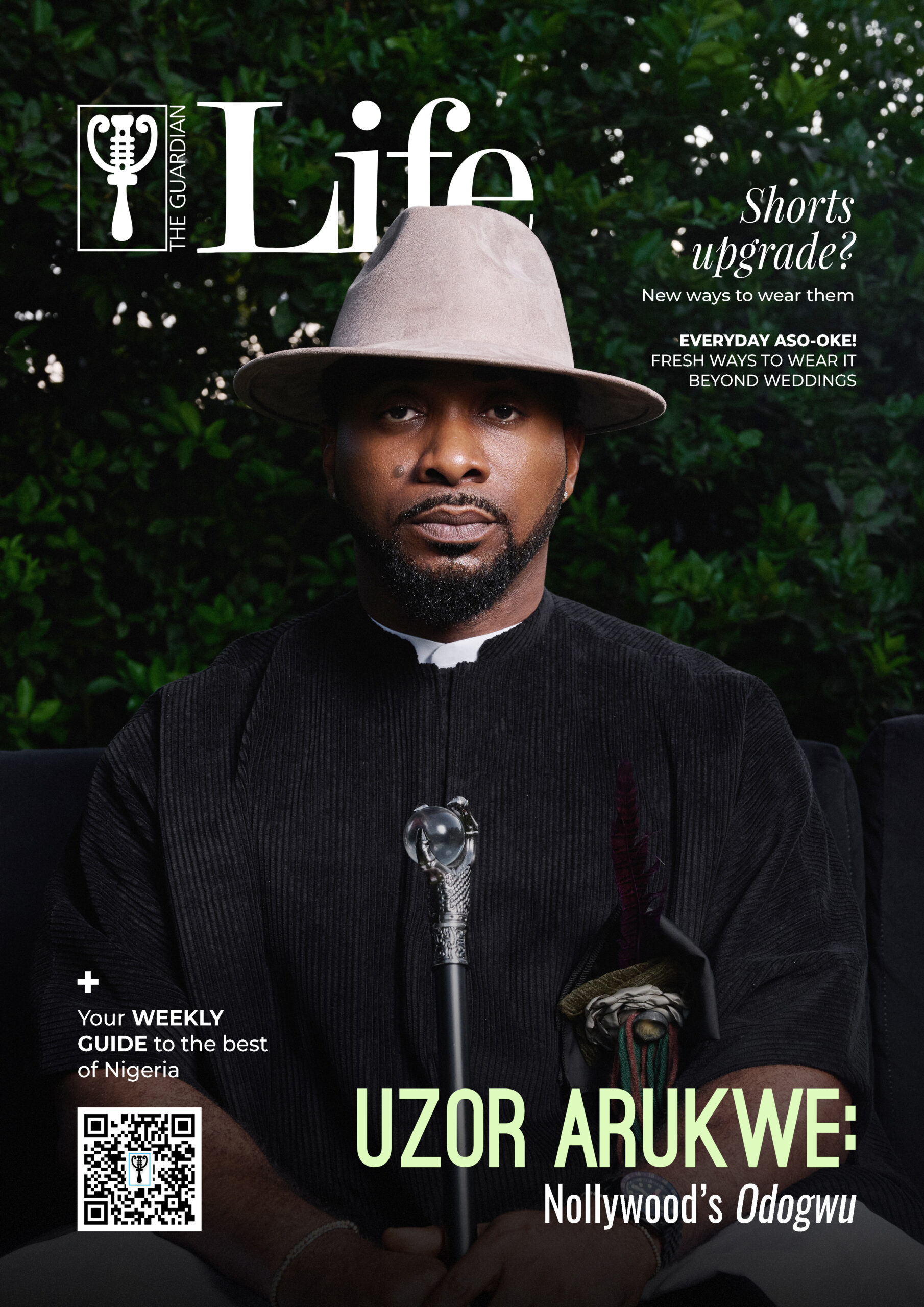
- Uzor Arukwe is a Nigerian actor, filmmaker, and producer whose work spans film, television, and theatre.
- He attended Nigerian Navy Secondary School in Port Harcourt and studied Economics at Abia State University. He also holds an MBA from the University of Calabar.
- Arukwe made his Nollywood debut in Unspoken Truth in 2014 and gained recognition for playing Inspector Sam in Sergeant Tutu.
- His credits include A Tribe Called Judah, Momiwa, Love in Every Word, and Colours of Fire. He received two AMVCA nominations in 2020 for Smash and Size 12.
- He won Best Lead Actor at the 2026 Africa Magic Viewers’ Choice Awards for his performance in Colours of Fire.
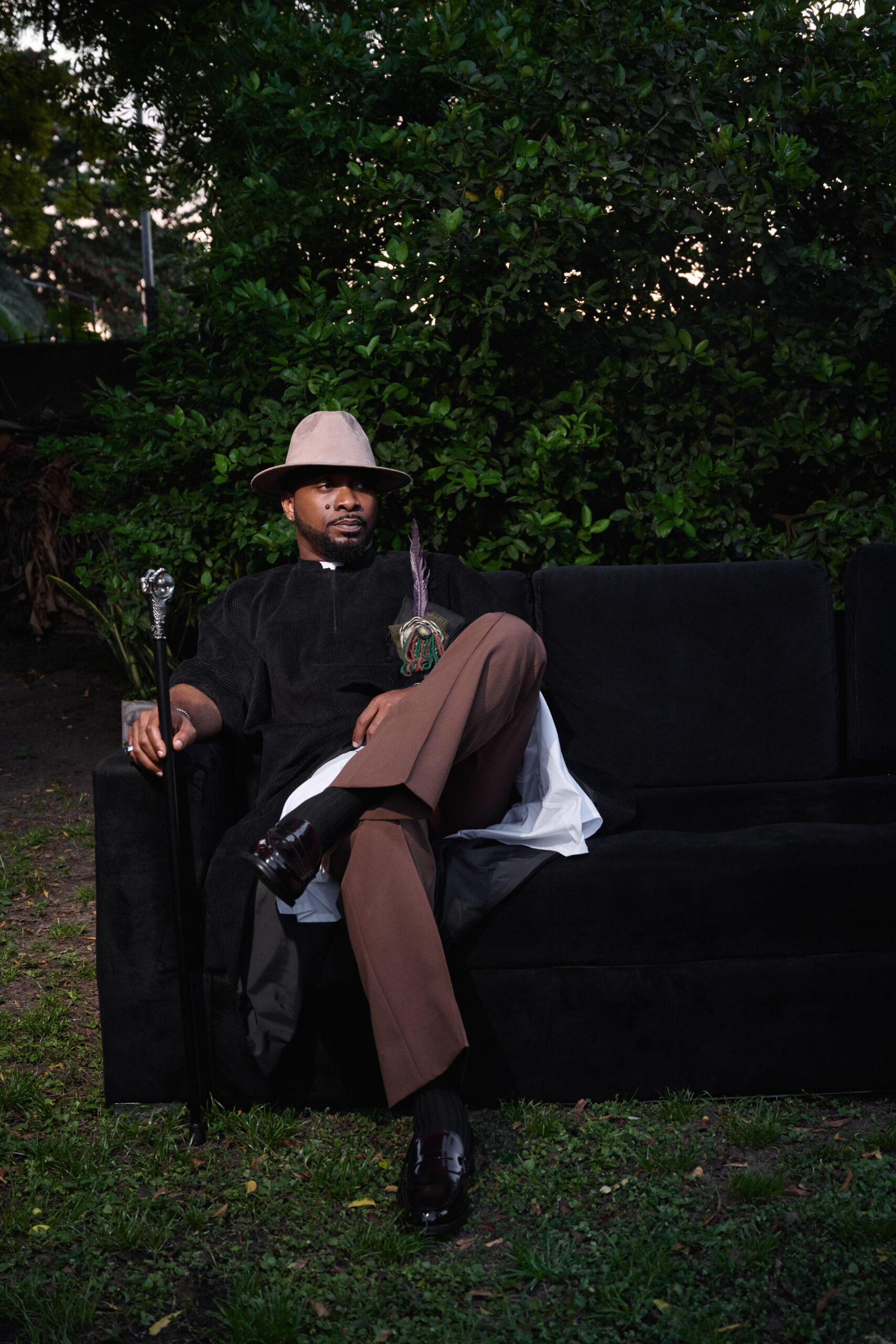
Before audiences knew Uzor Arukwe as “Odogwu”, there were auditions that led nowhere and bills acting could not pay. At one point, he approached a neighbour for a loan. He had spent about a decade in the corporate world, but building a career in Nollywood meant learning to work without the certainty of a monthly salary.
His performance in Love in Every Word brought a different kind of attention. As the wealthy, attentive romantic lead, Arukwe became a familiar face in conversations about love, masculinity, and what women expect of their partners. He credits the character’s appeal to the care he showed, as much as his ability to provide.
Arukwe wants that attention to leave room for the other characters he can play. His work spans comedy, drama and action, while executive production on Alive Till Dawn has introduced him to the demands of financing and distributing a film. On stage in Love in Lagos, he continues to practise a craft he first encountered as a secondary school student in Port Harcourt.
Speaking in an exclusive interview with Guardian Life, Arukwe discusses the years he questioned his career choice, why he turns down certain roles and how he keeps his family life private. He also explains the appeal of “Odogwu” and his plans for stage, screen and film production.
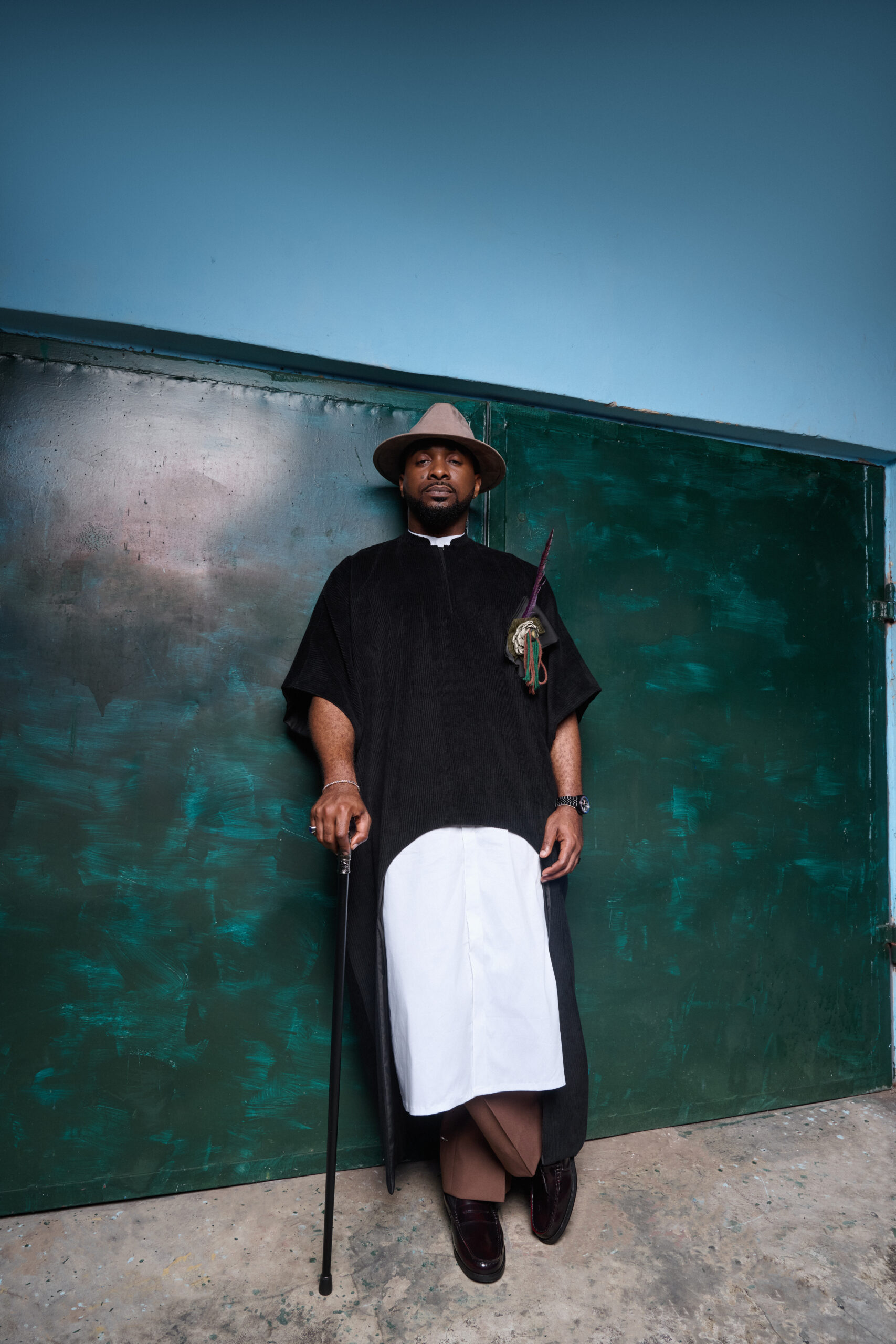
You spent years building quietly before becoming one of Nollywood’s most sought-after leading men. What did those years of waiting teach you about timing, rejection, and self-belief?

One thing those years taught me is that God’s timing and our timing are two very different things. Because, if we’re being sincere, there were times I wondered if I was doing the right thing, especially when things were hard, and it didn’t look like acting was bringing in enough money to pay the bills that was piling up.
But looking back now, I realize I wasn’t just waiting. I was becoming. Every audition that didn’t go my way, every role I didn’t get, every time I watched someone else get an opportunity I desperately wanted, I would feel disappointed, but that disappointment became the solid foundation needed to build who I am today.
Rejection taught me not to take everything personally. Sometimes you’re simply not what they’re looking for, and that’s okay. It doesn’t mean you’re not good enough. It just means that particular opportunity wasn’t yours.
And self-belief? Ah! That one is very important. Because before the applause, before the recognition, before anybody starts calling you a leading man, you have to believe you’re worth watching, even when nobody is watching.
I’ve also learnt that being overlooked is not the same as being unprepared. You cannot control when the opportunity will come, but you can control the version of yourself that meets it.
Today, I’m grateful for the journey, including the difficult parts. Because if everything had happened when I wanted it to, I’m not sure I would have had the maturity to handle it.
So, I don’t really see those years as years of waiting anymore. I see them as years of preparation. And thank God I didn’t give up before the story got interesting.
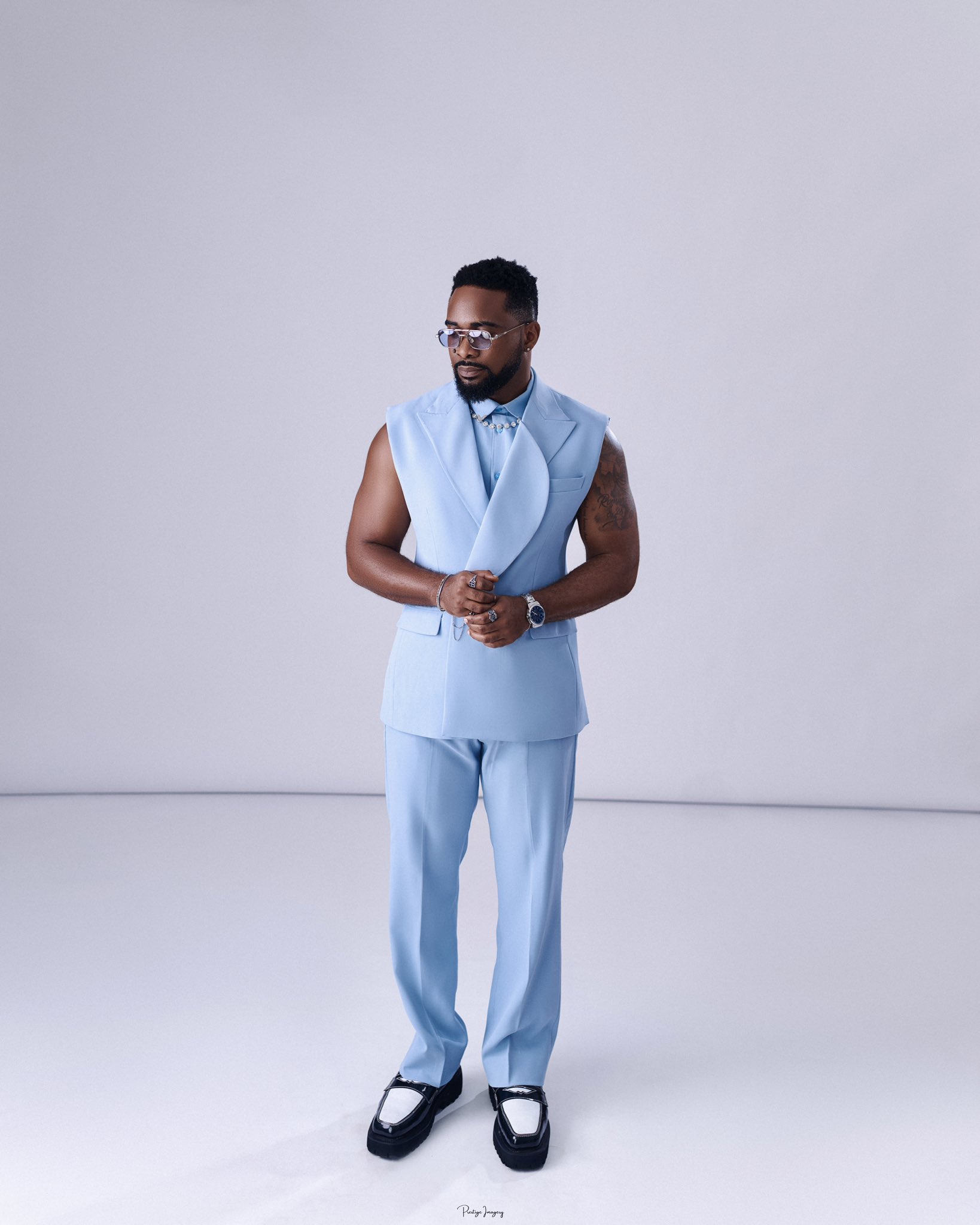
Winning Best Lead Actor at the 2026 AMVCAs for Colours of Fire marked a defining moment in your career. Beyond the award, what did that victory settle within you?
You know, I think more than anything, winning that award reminded me that I’m doing exactly what God created me to do. I’ve always believed that I didn’t choose acting; acting chose me. And I see this talent as a gift from God, something He has given me to share with the world.
Of course, winning was a beautiful feeling. I mean, who doesn’t like being recognised for their hard work? But it wasn’t really about the trophy for me. It was about looking back at all those years of auditions, rejections, learning, making mistakes and just showing up, even when things weren’t going the way I wanted.
And the truth is, the award didn’t suddenly make me believe I was a good actor. I already believed in myself long before that night. What it did was reassure me that the work I’ve been putting in all these years was speaking for itself, and people were paying attention.
I think it also gave me a certain confidence, knowing that I now belong in the same conversations and rooms as some of the great actors I’ve admired for years. And that’s not me being arrogant. It’s simply recognising how far I’ve come while understanding that there’s still so much more to learn and achieve.
And let’s not forget, an award is a beautiful thing, but it cannot act as your next role for you. (Laughs). In fact, I was back on set the very next day! Nobody cared that I had just won an AMVCA. The director still wanted his performance, and I still had to know my lines.
And that’s something I never want to lose sight of. Every time I step on set, I want to approach the work with the same hunger I had when nobody knew my name.
So yes, I’m deeply grateful for the recognition, but I’m even more excited about what comes next. Because for me, the greatest reward isn’t being celebrated for what I’ve already done. It’s having the opportunity to show the world what else God has deposited inside me.
Colours of Fire demanded physical strength and emotional vulnerability from you. What part of yourself did you have to confront while becoming that character?
You know, one of the interesting things about playing Akinbode in Colours of Fire was finding the balance between the warrior and the lover. Because here was a man who had to be strong and fearless, but who also had this softer, vulnerable side when it came to love.
Understanding the story was relatively easy for me because I’d had several conversations with the Director, Mr Niyi, about the character. But bringing him to life required me to approach those two sides differently.
The romantic side came quite naturally. I mean, boy meets girl, boy falls in love. I’ve played that kind of character a few times, so that wasn’t entirely unfamiliar territory for me.
But the warrior side was where I really had to do my homework. I’m not Yoruba, so I had to draw from my experiences living in Lagos, my interactions with Yoruba friends, watching Yoruba films and stage productions; my manager is also Yoruba, so there was a lot of material to tap into and study how I could interpret the character authentically.
And that’s where imagination became very important. As actors, we don’t always have to experience something personally to make it believable. Sometimes, you have to observe, research, and imagine yourself in circumstances you’ve never experienced.
For the emotional vulnerability, I had to connect with that part of myself that understands what it means to fall in love, to feel that attraction and connection with another person. Those are human emotions we can all relate to, regardless of our backgrounds.
I think that’s what I enjoyed most about playing Akinbode. He challenged me to draw from both my personal experiences and my imagination to create a character whose reality was very different from mine.
And for me, that’s one of the most beautiful things about acting. You get to become someone you’ve never been, while still finding something of yourself in that person.
Love in Every Word turned you into the Internet’s favourite “Odogwu” and sparked conversations about romance, masculinity, and provision. Why do you think the character connected so deeply with viewers?
You know, I think people connected with Odogwu because, beyond the money, the confidence and all that big man energy, he represented something a lot of women genuinely desire in a relationship and as we all know, when a woman feels seen and loved the way she desires to from someone who is intentional about loving her and isn’t afraid to show it, she will sing his praises to the world.
And I think that’s what people sometimes miss about the character. Yes, he was financially comfortable and could provide, but what made him attractive wasn’t just his money. It was the way he showed up, the attention he paid and how deliberate he was about the woman he loved. He didn’t try to change her, but instead he contributed to making her the best version of herself.
Of course, Nigerians saw the money and said, “Yes! This is the Odogwu we’ve been praying for!” (Laughs). But I believe the connection went much deeper than that.
For me, masculinity isn’t just about how much money a man has or how much authority he commands. It’s also about responsibility, emotional maturity, kindness, and making the people you love feel safe and valued.
And I think that’s why the character resonated with both men and women. He opened up conversations about what it really means to be a good partner.
At the end of the day, being an Odogwu isn’t just about what you can afford to give someone. It’s about how you make them feel, the intentionality and thoughts behind what you do even when money isn’t part of the conversation. Recently, I saw a woman post about her partner couldn’t afford what she really wanted for her birthday, but he went ahead to make a down payment for it just to show his woman his intention to get her what she wants. That’s the kind of intentionality I’m talking about that makes you an Odogwu in your own home. You have the money, abeg, spend it on your woman, and if you don’t have it all, your thoughts and intentionality counts too!
That success also created a public image of you as the wealthy, commanding romantic hero, and you have been seen in similar roles in other films. Are you concerned that Nollywood may begin to box you into that character?
I understand why that happens. When audiences connect strongly with a character, filmmakers naturally want to recreate that magic. And I don’t see anything wrong with that. It’s a beautiful thing when people love your work enough to want more of it.
Am I worried about being stereotyped? Not particularly. I think the responsibility is also on me as an actor and my management to be intentional about the stories I tell and the roles I accept.
If you look at my work, from Love in Every Word to Colours of Fire and Alive Till Dawn, you’ll see very different sides of me. And that’s something I want to keep exploring.
I don’t want to be remembered as an actor who played one character exceptionally well. I want to be remembered as an actor who could become anybody and make you believe him.
So, by all means, enjoy Odogwu. I love him too! But don’t get too comfortable because the next character might be someone you absolutely cannot stand. (Laughs).
From A Tribe Called Judah and Behind the Scenes to Colours of Fire and Love in Every Word, you move easily between comedy, romance, drama, and action. Which genre reveals the truest version of you as an actor? Answer:
Ah, you’re putting me on the spot with this one! Honestly, I don’t think I can pick just one because I enjoy the different things each genre allows me to do.
I love comedy because I naturally enjoy making people laugh, as you might have seen in some of my videos that circulate online, and I’m a goofy person. Romance allows me to explore a softer, more vulnerable side of myself, while drama and action push me in ways that can be quite challenging, both physically and emotionally.
But for me, it’s never really been about the genre. It’s always been about the story and how much I can connect with the character. Whether I’m making you laugh, cry, or even making you angry, I just want you to believe the person you’re watching on screen. And I think that’s what excites me most about being an actor. The opportunity to keep discovering parts of myself through different characters.
So, if you ask me which genre brings out the real Uzor, I’ll probably tell you all of them. Because I didn’t become an actor to play different versions of myself. I became an actor to experience lives completely different from mine. And please, don’t make me choose. I still want directors from all these genres to keep calling me! (Laughs).
You worked in the corporate world for about 10 years before committing fully to acting. Was there a moment when leaving a stable career for Nollywood felt like a terrible decision?
There were definitely moments when I questioned myselfaske I did mention in a recent interview talking about how I had approached a neighbor for loan in other to clear some unpaid bills during the time I was laid off. I mean, imagine leaving a job where you know your salary is coming at the end of every month to pursue a career where you don’t even know when your next job is coming. Omo, that’s a different kind of audacity & faith o! But the truth is, even while I was in the corporate world, acting was always something I felt called to do. I enjoyed the stability my job gave me, but there was this part of me that was unhappy because I knew I wasn’t doing everything I was created to do. And when I eventually made that decision, it wasn’t all rosy. There were periods of uncertainty, rejections, and moments when I wondered if I had made the right choice. But even on those difficult days, I never really stopped believing that I was on the right path.
One thing that experience taught me is that sometimes the biggest risk isn’t leaving what makes you comfortable. It’s staying somewhere you know you’re not fulfilled because you’re afraid of what might happen if you leave. Looking back now, I’m grateful for those ten years in the corporate world because they taught me discipline, professionalism, and the importance of showing up prepared. Those lessons still influence how I approach my career today. So, did I ever think I was crazy for making that decision? Absolutely! (Laughs). But do I regret it? Not for one second. And thank God it worked out, because explaining that decision at family gatherings would have been another Nollywood drama entirely, especially if it didn’t work out!
You once measured success by how busy you were, but you now speak about building a deliberate body of work. What roles have you rejected because they did not fit the actor you want to become? Answer:
Spending years in this industry and having a management team that cares about my career architecture and long- term positioning have helped me to see things from a different perspective. I’ve come to understand that being busy doesn’t necessarily mean you’re making progress. You can appear in ten films in a year and still not move your career forward in the direction you want. Like my manager would say, there are years that demand quantity and there are years are that demand quality, so it’s important to strike a balance as you grow.
So yes, I’ve had to turn down roles, particularly when I feel the character doesn’t offer anything different from what I’ve already done, or when the story isn’t strong enough. Sometimes it’s not even about the script being bad. It’s simply about whether that project makes sense for where I am and where I’m trying to go.
I’m also very conscious of not becoming too comfortable playing characters that audiences already love me for. It’s tempting to keep doing what works, but I don’t want to look back in ten years and realise I’ve spent my career playing the same person in different clothes on different productions.
At this stage, I’m more interested in building a body of work that reflects my range than simply accumulating film credits.
And that means learning to say no, even when the offer is attractive. Because I’ve realised that every role you accept is also a statement about the kind of actor you want to become.
You stepped into executive production with Alive Till Dawn. What did producing teach you about the business of filmmaking that acting never could?
As an actor, your biggest responsibility is to understand your character and deliver a great performance. But as an executive producer, you suddenly realise that your performance is just one piece of a much bigger puzzle.
Alive Till Dawn is special to me because we weren’t just making another film. We were taking a creative risk by exploring the zombie thriller genre on a scale that Nigerian cinema hasn’t really been known for; we were doing that with a limited budget, which even makes it more difficult. And when you’re attempting something different, there isn’t always an existing blueprint to follow.
I learnt very quickly that passion alone cannot make a film successful. You have to think about financing, production logistics, marketing, distribution and, most importantly, the audience you’re making the film for. There were decisions to make, challenges to navigate, and moments when I realised just how much responsibility comes with having your name attached to a project beyond acting.
And then came the experience of releasing the film in cinemas. Having deal with distribution and getting a favorable showtime, omo no be small thing oo. But seeing audiences turn up for a story we had taken a chance on was incredibly fulfilling. It reminded me that Nigerian audiences are willing to embrace different kinds of stories when we put in the work to create and properly position them.
One of my biggest lessons from Alive Till Dawn is that making a good film and building a commercially successful film are two different responsibilities. You need both creative ambition and business discipline.
The experience also gave me a much deeper appreciation for producers. Because, my brother, producing a film in this our clime is not beans!
More importantly, it changed how I see my future in Nollywood. I don’t just want to be in front of the camera telling great stories. I want to help develop original ideas, create opportunities for other creatives, and take the kind of risks that push our industry forward.
Acting taught me how to bring a character to life. Alive Till Dawn taught me what it takes to bring an entire vision to life, and then convince an audience to believe in it.
You protect your wife and family from public attention, even as interest in your private life grows. How do you preserve that boundary without becoming disconnected from the audience that supports you?
One thing I’ve come to understand is that being a public figure doesn’t mean every part of your life has to be public. I love my fans, and I’m genuinely grateful for the interest and support they show me, but I’ve also learnt that some things are too precious to constantly put on display.
My wife and my family are a very important part of my life, and protecting that space is something I’m intentional about. Not because I have anything to hide, but because I believe they have the right to a private life, which is different from the path I have chosen for myself.
And I don’t think that creates a disconnect with my audience. People connect with me through my work, my personality, my humour and the little bits of myself I choose to share. I can be accessible, engage with fans and appreciate their love without making my family part of the entertainment.
Of course, Nigerians are naturally curious people. Give us small gist go turn we want the full season!
At the end of the day, I want to give my audience the very best of me as an actor, but I also want to make sure the people closest to me get the best of me as a husband and family man. And for me, maintaining that balance is very important.
Fame arrived for you at a more mature stage of life. Has that protected you from the pressure, noise and temptations that often come with celebrity?
Ah, thank God fame didn’t meet me at 22! E for choke! I’m not saying I would have misbehaved o, but let’s just say life had already taught me a few lessons before all this attention came.
Having spent years working in the corporate world, chasing opportunities, dealing with rejection and trying to find my feet as an actor gave me a solid foundation. So, by the time people started recognising me everywhere, I already knew what it felt like to be the guy nobody was paying attention to.
And I think that experience changes how you see fame. Don’t get me wrong, I enjoy the love. Who doesn’t? It’s a beautiful feeling when people appreciate your work. But I’ve also learnt not to get carried away by it.
The truth is, fame comes with plenty of noise, opinions, and temptations. And being older doesn’t automatically make you immune to any of that. You still have to be intentional about the choices you make and the company you keep.
For me, my faith, my family, and the people who knew me before I became Odogwu Paranran help me stay grounded. Because no matter how many people hail you and treat you like the best thing after Afang and Eba outside, there are people in your life who will still remind you of who you are when it starts looking like you dey overdo.
I’ve been Uzor Arukwe a lot longer than I’ve been everyone’s Odogwu Paranran, and I never want to forget that.
So yes, I think becoming successful at this stage of my life has helped me handle the attention better. But I also remind myself that the real achievement isn’t becoming famous. It’s being able to enjoy the success without losing yourself in the process.
Nollywood is gaining global attention, but you have described that growth as fragile. What must the industry fix if it wants international recognition to become sustainable?
Nollywood is blessed with resilient people, and I genuinely marvel at what we’ve been able to achieve. We’re a group of people who have consistently found ways to make things happen, even when the odds weren’t exactly in our favour. Give a Nigerian filmmaker a story, a camera and plenty of determination, and somehow, we’ll find a way to make a film. It’s in our DNA as Nigerians to make something out of nothing; you really can’t take that away from us.
And that’s something we should never take for granted. We’ve built an industry that the world is increasingly paying attention to, and I’m incredibly proud to be part of that journey.
But I also believe that as we grow, we have to keep improving the way we work. From how we develop our stories to how we produce, market, and distribute our films, there’s always room to do better. For me, one area I’d love to see us invest more in is talent development, both in front of and behind the camera. We have incredibly gifted people in this industry, and I believe that with more training, stronger collaborations, and better access to resources, there’s so much more we can achieve.
I also think we need to start thinking collectively as an institution and less as an individual because it’s only through institutions & government backed support that we can build the infrastructure that is needed to build a globally competitive industry.
I also think we need to continue building partnerships that allow our films to reach more audiences, particularly within Africa beyond YouTube. There’s something beautiful about the idea of a Nigerian film being enjoyed just as much in Nairobi or Abidjan as it is in Lagos.
Of course, these things take time. We didn’t get here overnight, and we’re certainly not going to figure everything out overnight either.
But I believe the next phase of Nollywood’s growth should be about building on what we’ve already achieved and creating opportunities that will outlive us.
We’ve shown the world what we can do with passion and determination. Imagine what we can achieve when we combine that same passion with stronger structures, investment, and collaboration.
When the applause, awards and “Odogwu” attention eventually become quiet, what do you want Uzor Arukwe’s name to represent in African cinema?
I think about legacy quite a lot, especially at this stage of my career. I’ve been blessed to experience the love, the recognition and the awards, and I’m genuinely grateful for all of it. But I also understand that fame comes in seasons. What matters to me is what remains when the excitement settles.
I want to be remembered as an actor who respected his craft, who wasn’t afraid to take risks, who gave his best to every character and made people feel something whenever they watched him perform. Whether I made you laugh, cry, fall in love or even dislike me, I want you to remember how the performance made you feel.
But beyond acting, I want my journey to mean something to the next generation. I want a young actor somewhere in Nigeria to look at my story and understand that you don’t have to become successful overnight to build an extraordinary career. That with faith, discipline, consistency and the right people around you, your dreams are valid.
And as I continue exploring production, I hope to contribute to telling more African stories and creating opportunities for other talented people to shine.
Ultimately, I don’t just want my name to be remembered. I want my work to remain relevant long after the applause has faded.
Because at the end of the day, Odogwu is a character people fell in love with, and I’m grateful for that. But Uzor Arukwe is an actor who still has so many stories to tell.
And by God’s grace, when the time comes to look back, I want to be able to say I made the most of the gift He gave me.
How does performing for a live audience in Love in Lagos differ from acting for the screen?
The energy is completely different! One of the beautiful things about theatre is the immediate gratification you get from performing in front of a live audience. On stage, everything is happening in real time. You can feel the audience’s energy, hear their reactions, and sometimes even sense how they’re connecting with your character. There’s something incredibly exciting about that.
And unlike film, where you can cut a scene and have another take, theatre doesn’t give you that luxury. Once you’re on stage, you’re on! You have to know your lines, your movements, your timing, and how to respond to whatever happens in that moment.
With Love in Lagos, I was reminded of just how raw and beautiful that experience can be. The music, the dancing, the dialogue, the movement, and the connection with the audience all come together to create something special.
I love acting for the screen, but theatre gives you a different kind of adrenaline. There’s nothing quite like delivering a performance and experiencing the audience’s reaction right there in the moment. That’s a feeling you can’t really replicate.
How does performing live in Love in Lagos compare with acting for the screen, and do you see theatre as a long-term part of your career or a short-term experience?
For me, acting is acting, but theatre and film are two very different mediums, and I don’t think one is necessarily easier than the other.
The foundation is the same. You still have to understand your character, connect with their emotions, and make the audience believe the story you’re telling. But the techniques are quite different.
On stage, you’re constantly aware of your positioning, your voice, your movement, and how you project your performance to an entire audience. You have to understand things like upstage, downstage, blocking, and how to open yourself up so the audience can connect with what you’re doing.
On screen, the camera becomes your audience. Sometimes the smallest movement of your eyes or a subtle facial expression can communicate everything. So you’re learning to use your body and emotions differently depending on the medium.
And that’s why I love both. Theatre trains you in ways that can make you a better screen actor, particularly when it comes to voice modulation, body movement, discipline, and imagination.
As for whether theatre is a long-term part of my career, absolutely! My ambition is to master both stage and screen. I don’t want to limit myself to one medium when there’s so much to learn and explore in both.
I genuinely believe that as an actor, you should never stop learning. And theatre is one of those places that will constantly remind you that no matter how good you think you are, there’s always something new to discover.
So no, theatre isn’t a temporary adventure for me. It’s part of who I am as an actor, and I intend to keep returning to it.
When did you start acting on stage, and what first drew you to theatre?
Oh, this takes me way back! (Laughs). I started performing on stage around 1994 or 1995, when I was in junior secondary school at Nigerian Navy Secondary School, Borokiri, Port Harcourt. I think I was just finishing JSS 1 and preparing to enter JSS 2.
And interestingly, it all started with my teachers.
I had this amazing literature teacher, Miss Ohia, who introduced us to literature and made me fall in love with storytelling. Through her, I discovered the works of Wole Soyinka, Ola Rotimi, Shakespeare and so many ,other great writers. She had this beautiful way of bringing stories to life, and I found myself completely fascinated.
Then there was Miss Anne, another teacher who encouraged me in ways I honestly cannot fully explain. I still remember her very fondly, and I hope she’s doing well wherever she is today.
And of course, Mr Ezekiel Okorie, who was a thespian himself. He helped us understand that acting wasn’t just something you did for fun. It was a craft that required discipline, training and dedicatio,n.
Through his guidance, we began receiving theatre training from students and graduates of the University of Port Harcourt’s Theatre Arts Department. That was really my first introduction to formal acting training.
I remember Gideon Okeke and I taking it very seriously. We weren’t just playing around with school drama. We genuinely loved the craft and wanted to become better at it.
As I grew older, I also had the privilege of learning from John Njamah, who became one of my greatest teachers and influences. A lot of what I understand about acting today, from techniques to character development, came through his guidance. And because he was trained by the great Ola Rotimi, I always jokingly say Ola Rotimi is my grandfather in acting, while John Njama is my father. (Laughs).
But beyond my teachers, I was also that child who watched everything! Checkmate, Cockcrow at Dawn, Fortunes, The Third Eye, even Things Fall Apart. If there was a good performance on television, I wanted to watch it.
And every time I watched those actors, something inside me would just come alive. I couldn’t explain it then, but I knew I wanted to do what they were doing.
You have to understand that at the time, acting wasn’t necessarily seen as the most conventional career path. But I wasn’t thinking about fame or becoming a leading man. I was simply a young boy who had fallen in love with storytelling.
Looking back, I realise that long before I understood what it meant to become a professional actor, I had already found something I genuinely loved doing.
And I’m forever grateful to those teachers who saw something in me and helped nurture it. Because sometimes, all it takes is one person who believes in your potential before you even understand what you’re capable of becoming.
For me, those teachers were that blessing. And from 1994 or 1995 until today, I’ve never really stopped learning or performing.