Canada mandates new cars to be zero-emissions by 2035

French President Emmanuel Macron listens to a Renault worker talking about the Kangoo electric car during his visit to the site of the future factory of Japan-based battery maker Envision AESC group, where Renault SA develops an electric-vehicle manufacturing hub, in Douai, northern France, on June 28, 2021. - It is expected to be announced during the "Choose France" event that Renault SA has chosen Envision AESC to produce batteries in the future Douai plant, that will equip its future electric vehicles, including the Renault 5 model. The Douai battery factory will complement Renault's electric car hub known as "Renault ElectriCity" born from pooling three of its plants in northern France, Douai, Ruitz and Maubeuge. (Photo by Ludovic MARIN / various sources / AFP)

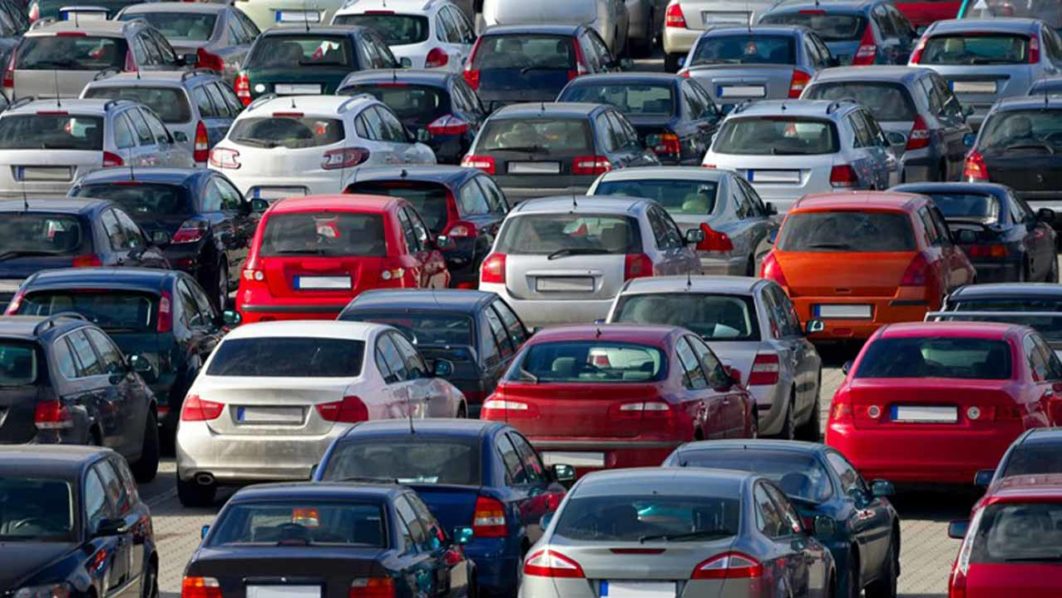
[FILES] Cars
All new cars and light-duty trucks in Canada will be required to be zero-emissions by 2035, Transport Minister Omar Alghabra announced Tuesday, moving up the timeline for eliminating vehicle pollution.

“Today, I’m announcing that we are accelerating our zero-emission vehicles goal. By 2035, all new cars and light-duty trucks sold in Canada will be zero-emission vehicles — 100 percent of them,” Alghabra told a news conference.

“This is five years sooner than our previous goal,” he said.

The regulatory move, he said, will help Canada to meet its overall net-zero carbon emissions target for the economy by mid-century.

Alghabra noted that his country is one of the few in the world with domestic access to all of the key resources for producing electric vehicle (EV) batteries, and praised General Motors, Ford and other automakers for opening EV assembly plants in Canada.

But despite government incentives to defray the relatively higher prices of EVs, purchases have been slow to take off.

According to government data, battery electric vehicles and plug-in hybrids accounted for less than four percent of the 25 million passenger cars and trucks registered in Canada last year — up from about two percent in 2019.


Join Our Channels