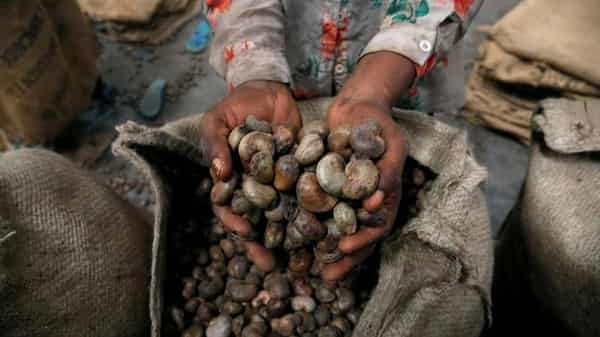
Cashew farmers, under the umbrella of the National Cashew Association of Nigeria, have renewed calls on the Federal Government to shelve the proposed plan to ban the exportation of cashew nuts, warning that such a move could worsen poverty, cripple the non-oil export sector, and repeat the mistakes associated with Nigeria’s crude oil industry.
Leaders of the association from Oyo and Kwara States, Messrs Salami Adebayo Tunde and Omotosho Theophilus Tunde, told journalists, in Ilorin yesterday, that policies and legislations at the federal level should prioritise the overall interest of Nigerians, especially those seeking alternatives to the volatile global oil economy.
The farmers, who spoke in line with resolutions reached at a meeting of concerned groups under the NCAN (Farmers’ Wing) described the proposed bill before the National Assembly as “anti-people” and inimical to national economic growth.
According to them, banning cashew exports without first building domestic processing capacity would amount to subjecting the sector to the same fate as Nigeria’s crude oil industry, where the country exports raw crude but imports refined petroleum products despite having refineries.
The farmers argued that rather than banning exportation, the Federal Government should establish functional processing factories across major cashew-producing states such as Oyo, Kwara, Kogi, and other parts of the country where raw materials were readily available.
They warned that the proposed ban could have dire consequences for youths who have found livelihoods in cashew farming and exportation, especially at a time when many young people are turning away from crime to agriculture.
The NCAN leaders noted that Nigerian cashew exporters are already earning foreign exchange and contributing to the economy, stressing that exporters now bring in dollars regularly, just like their counterparts in other cashew-producing countries.