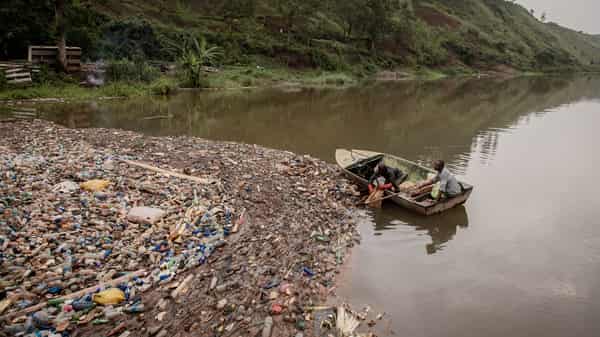
Network of Water Rights Initiative (NEWARI) has raised the alarm over imminent epidemic in Numeh Community, Nkanu East Council, Enugu State, as a result of contamination of Nvuna River, the community’s only source of potable water, by wastes from an ethanol firm.
The Guardian gathered that the river had not been accessed in the past three weeks due to pollution. Residents of the community were said to have woken up one morning to discover the river had been polluted, and those who ventured into it developed cough, fever and rashes. They have, therefore, been subjected to patronising sachet water vendors for their drinking water at exorbitant prices, as well as rain water for their domestic use.
Coordinator of NEWARI, Amaka Nweke, who led members of the network to the community and the polluted river, expressed worry over the hardship people of the area now pass through to access portable water.
Nweke said: “This is a human rights issue and we are not happy about it. The information we gathered is that this river serves as a source of drinking, cooking and for other domestic uses for this community. Now, there are no boreholes in this community; there is no pipe borne water. It means for the people to get water to drink, they will have to leave their community to other areas or buy from water vendors, which many of them cannot afford.
“We think there should be immediate remedy to this situation. We also think the government should come to their aid and provide them with other alternatives, while launching a deep investigation into the development to check further occurrence. We have also taken samples of this water to enable us conduct laboratory analysis, since the allegation is pointing towards a company that is into ethanol production.”