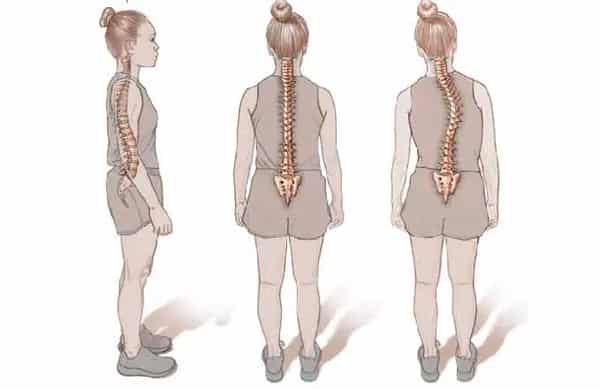
The Scoliosis Focus Foundation has called for increased campaigns to drive awareness, early medical intervention, and stronger institutional support for Nigerians living with scoliosis, a spinal deformity.
The group made the call during its 12th anniversary. The anniversary outreach programme, held in Lagos, themed: “The Hope of Glory,” brought together medical professionals, patients, beneficiaries, and advocates to reflect on the foundation’s 12 years of grassroots advocacy and community engagement.
Speaking at the event, Founder, Scoliosis Focus Foundation, General Practitioner and Radiologist, Dr Ayomide Akintan Adejuwon, explained that the initiative began in 2011 during her National Youth Service Corps (NYSC) year as a community-based project aimed at creating awareness and providing support for people living with scoliosis.
According to her, the foundation has since carried out outreaches, organised lectures and conferences, including an endurance walk in 2013 from the National Institute of Medical Research, which involved consultant nurses, doctors and patients.
These activities, she said, have helped to identify and follow up on scoliosis patients across different parts of the country.
Adejuwon noted that while scoliosis awareness is globally observed in June, the foundation chose to hold this event before the end of the year to ensure sustained public education and to bring participants together during the festive season. She described scoliosis as a deformity of the spine rather than a disease.
She said: “Some cases are congenital, most are idiopathic and often manifest during adolescence. Many Nigerians are unaware, and there is also a shortage of trained personnel in Scoliosis care.” Adding that many affected persons have never consulted an orthopaedic specialist.
The medical practitioner disclosed that although the foundation provides financial, emotional, and medical support, including referrals, X-rays, and consultations through affiliated orthopaedic hospitals, it has not been able to offer free corrective surgeries due to the high cost involved.
She called on the government, corporate organisations, non-governmental organisations, and the general public to support efforts aimed at improving access to care for scoliosis patients.