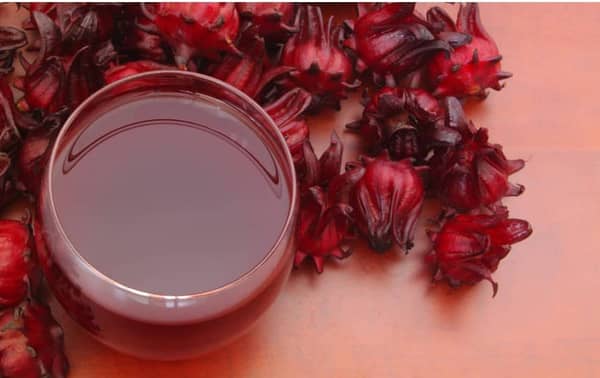
In many Nigerian households, a deep red drink known locally as zobo is a familiar sight, served chilled to provide relief from the sweltering heat or sold by street vendors in bustling markets. Beyond its refreshing taste, zobo—made from the calyx of Hibiscus sabdariffa—has long been believed to have medicinal properties, particularly for managing high blood pressure. For years, this belief has been passed down through generations, with many Nigerians relying on zobo as a natural remedy despite the lack of scientific validation. However, recent research is now offering empirical support for these traditional claims.
As the study of hypertension management evolves, researchers are increasingly exploring alternatives to conventional pharmaceutical treatments. While Angiotensin-Converting Enzyme (ACE) inhibitors and other synthetic medications remain the primary options for controlling high blood pressure, new findings suggest that Hibiscus sabdariffa may offer clinically significant antihypertensive benefits. A study conducted by Oluwatosin Oyeniran, Frank Mojiminiyi, Buhari Aliyu, and Isu Alex, first presented at the Experimental Biology Conference in Boston, Massachusetts, and later published in The FASEB Journal and other scientific outlets, offers new insights into how Hibiscus sabdariffa helps regulate blood pressure—particularly by acting on the sympathetic nervous system, a key component in cardiovascular control.
This research contributes to an expanding body of evidence exploring plant-based therapies in cardiovascular medicine. Commenting on the findings, Professor Adolph Hutter, a clinical cardiologist at Massachusetts General Hospital, emphasized the importance of the study, stating, “The accumulating evidence highlighting Hibiscus sabdariffa as an effective antihypertensive agent is compelling. This study significantly advances the discussion on integrating natural treatments into mainstream cardiovascular care and is simply too important to overlook.”
For many Nigerians who have relied on zobo for generations, the findings offer long-awaited scientific affirmation. Among those most directly impacted by the research is Mr. Abdulrahman Alhkamis, founder of Alkhamees Tea Ltd, a reputable tea-producing company based in Yobe, Nigeria. According to Alkhamis, the scientific work served as the cornerstone for establishing his thriving business.
“Oyeniran’s co-authored research was the turning point,” Mr. Alhkamis explained. “The evidence from his studies helped validate what we already believed—hibiscus tea is more than a cultural drink; it’s a therapeutic product. That validation allowed us to scale up production, meet regulatory standards, and offer a consistent, high-quality hibiscus tea specifically designed to help over 15 million people with high blood pressure all over Nigeria.”
He noted that Alkhamees Tea Ltd has since become widely embraced by millions of consumers across Nigeria, not only for its taste but for its credibility as a natural option for managing hypertension. The company’s growth, he added, is directly tied to the confidence that Oyeniran et al’s research has instilled in the health claims surrounding hibiscus tea.
Understanding How Hibiscus Sabdariffa Lowers Blood Pressure
While Hibiscus sabdariffa has been widely used in traditional medicine for managing hypertension, scientific research into its physiological effects has gained traction only in recent years. The study led by Oyeniran, Mojiminiyi, and colleagues examined the mechanisms that make Hibiscus sabdariffa a potential natural intervention for high blood pressure. Their findings suggest that its antihypertensive effects extend beyond the commonly known properties of vasodilation and diuresis.
One of the study’s key discoveries is Hibiscus sabdariffa’s ability to inhibit Angiotensin-Converting Enzyme (ACE), a crucial factor in blood pressure regulation. By blocking the conversion of angiotensin I into angiotensin II—a molecule that causes blood vessels to constrict—Hibiscus sabdariffa reduces vascular resistance and improves circulation. Additionally, the plant has been found to stimulate vasodilation, further lowering blood pressure and enhancing cardiovascular function.
Beyond its effects on blood vessels, the study highlights Hibiscus sabdariffa’s diuretic properties, which facilitate the excretion of excess fluids and sodium—both of which contribute to high blood pressure. Another critical finding is its role in modulating the autonomic nervous system, which regulates involuntary physiological functions such as heart rate and blood pressure.
Oyeniran, one of the study’s lead researchers, explained, “Our research suggests that Hibiscus sabdariffa may not only work by relaxing blood vessels but also by regulating autonomic nervous function, preventing excessive fluctuations in blood pressure. This aspect of our findings makes the plant an interesting subject for further study.”
While the study provides valuable insights, researchers emphasize the need for long-term clinical trials to refine dosing recommendations and assess potential interactions with existing treatments.
Perspectives on the Study’s Implications
The findings from this study have drawn attention from researchers worldwide. Dr. George Bakris, former president of the American Society of Hypertension, said, “Natural treatments like Hibiscus sabdariffa are gaining more respect because of studies like this one. It’s an important step in showing that traditional remedies can be backed by solid science. What makes this research special is that it looks at how the plant affects the autonomic nervous system, which many studies don’t usually consider. It also shows that the plant works in different ways to help lower blood pressure. These findings could change the way we think about treating hypertension.”
A Pharmacist and Professor of Pharmaceutical Chemistry/Pharmacokinetics, University of Ibadan, Chinedu Babalola acknowledged the potential impact of plant-based remedies, particularly in regions where access to medication is limited. “The potential for a widely available plant-based remedy to assist in blood pressure management is promising,” she said. “While further research is needed, this study contributes to the growing effort to incorporate dietary and botanical solutions into mainstream health strategies.”
Potential Applications and Future Research Directions
As research into Hibiscus sabdariffa continues to expand, there is growing interest in its potential integration into public health policies and clinical guidelines. Some countries, including Nigeria, Togo, Cameroon, and Ghana, have already recognized its role in hypertension management by incorporating it into dietary recommendations. However, researchers caution against overstating its effectiveness without further validation.
Mojiminiyi, a co-author of the study, emphasized this point, stating, “While our research supports the traditional use of Hibiscus sabdariffa, we still need more controlled trials to confirm long-term efficacy and safety, especially when used alongside conventional medications.”
Beyond academia, the study’s findings have also attracted interest from the nutraceutical and pharmaceutical industries. Some companies are exploring the development of standardized Hibiscus-based supplements, though regulatory approval and clinical guidelines remain areas of ongoing discussion.
Professor Abiodun Odukoya, a pharmacognosy expert at the University of Lagos, weighed in on the commercial implications, noting, “Natural therapies like Hibiscus sabdariffa are at an interesting intersection between traditional medicine and modern pharmacology. The challenge now is ensuring that commercial products maintain the potency and safety demonstrated in scientific studies.”
A Step Forward in Understanding Natural Approaches to Hypertension
The study sets a precedent for how natural products can be scientifically evaluated for their role in hypertension management. Their findings suggest that Hibiscus sabdariffa may regulate blood pressure through multiple mechanisms, including ACE inhibition, vasodilation, diuresis, and autonomic nervous system modulation. While these findings align with traditional uses of Hibiscus sabdariffa, they also highlight the complexities of plant-based treatments and the need for further investigation.
As demand grows for cost-effective, natural, and accessible hypertension treatments, research like this helps bridge the gap between traditional knowledge and clinical science. Scientists remain optimistic that further studies will provide clearer guidelines on how Hibiscus sabdariffa can be integrated into cardiovascular care.
Reflecting on the broader significance of their work, Oyeniran remarked, “This study is part of a larger effort to explore how natural products can contribute to evidence-based medicine. We hope continued research will bring us closer to understanding how Hibiscus sabdariffa fits into modern hypertension management strategies.”
With increasing recognition in scientific and medical communities, Hibiscus sabdariffa remains a subject of interest in the search for sustainable and accessible approaches to cardiovascular health. While further research is needed, this study marks an important step toward validating plant-based interventions in hypertension management.