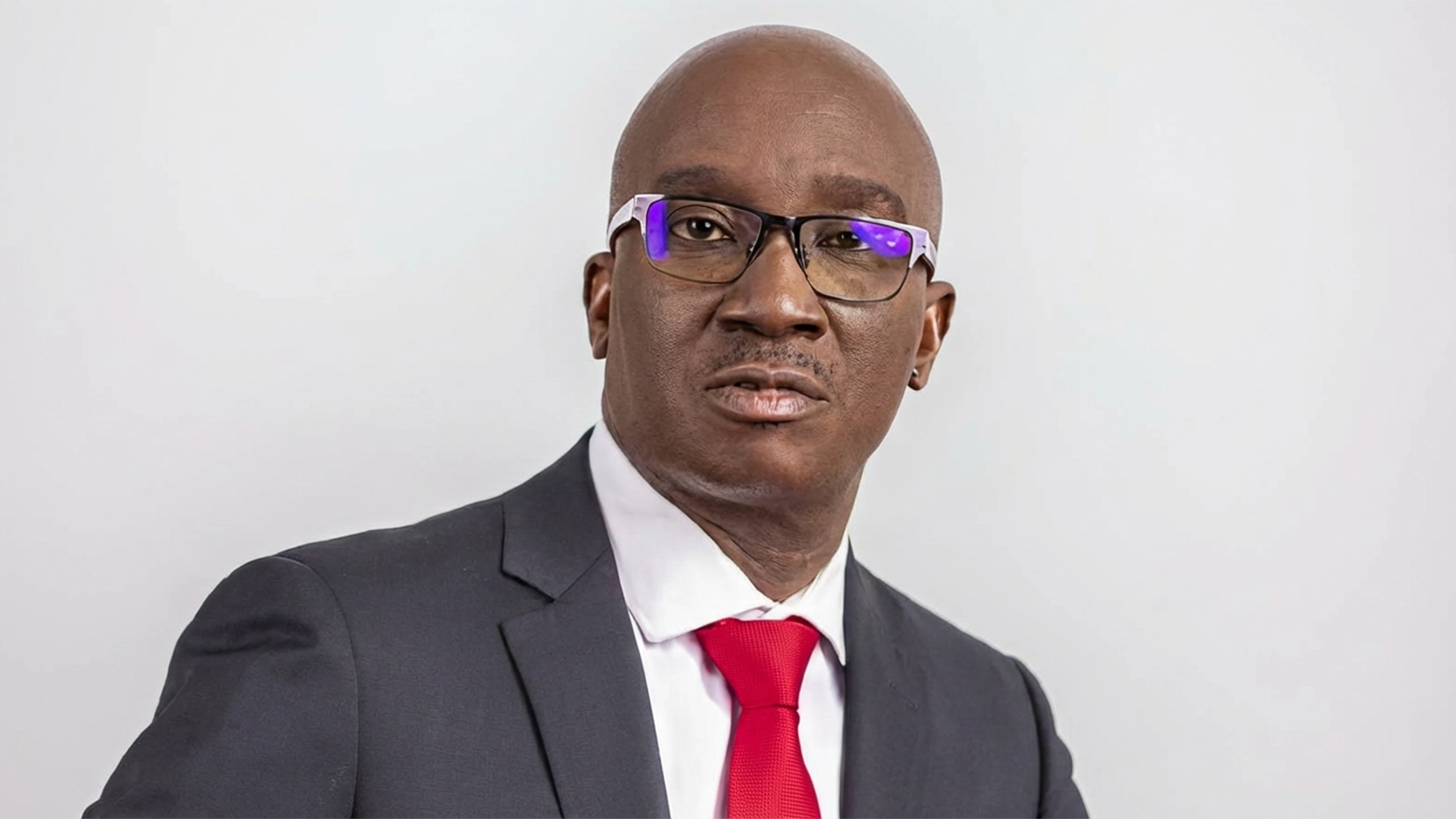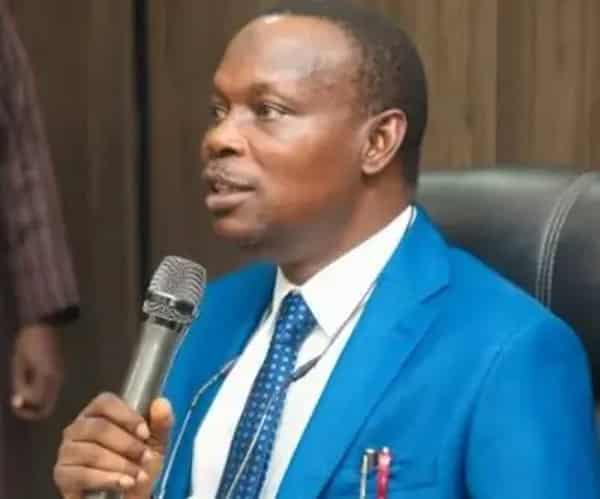

The Minister of State for Environment, Dr. Ishaq Salako, has assured that the Federal Government would continue to use the mangrove restoration programme as one of its measures to tackle climate change in the oil-polluted Niger Delta region of Nigeria.
Salako, while on a visit to Rivers State, yesterday, gave the assurance after touring remediation sites and the Centre of Excellence in Kono, Khana Local Council of the state, which is being built by the Hydrocarbon Pollution Remediation Project(HYPREP) under the Environment Ministry.
The minister also seized the opportunity to plant 10 trees at Birabi Grammar School in Bori, as a way of showing commitment to championing the course of green environment.
Salako lauded the pace of work at the Centre of Excellence and the remediation sites at Eleme Local Council.
He said: “We are taking the environmental issues very seriously and I can assure you that President Bola Tinubu has prioritised the issue of environment. If you look at his
Renewable Agenda, his eight priority areas, you will know that he does not joke with environment issues.
“When it comes to the issue of Climate Change, one Important resource that Nigeria and Africa had to offer is nature-based solutions. And when we talk about Nature-Based Solutions, our mangrove forests are very important elements of that. Nigeria has the largest mangrove forest in Africa and about the third in the entire world. This means that our mangrove is very important to the fight against climate change.”
In a related development, the British High Commissioner to Nigeria, Mr Richard Montgomery, has stated that the Ogoni Cleanup model can potentially be replicated in other parts of the world.
Speaking with Journalists in Port Harcourt, after emerging from a meeting with HYPREP Project Coordinator, Professor Nenibarini Zabbey and his management staff, Montgomery disclosed that his visit to the state was mainly to understand recent developments on the security and community.
He added that he was to also ascertain the level of commitments made by both the Ogoni people and other institutions including the Federal Government and the oil companies.
“I am here to visit Rivers State because of the Importance of this area of Nigeria to the whole of the economy. And also to understand recent developments in security and to understand how the clean-up programme is being implemented.
“I think what is being done here is a model that we can all learn from and it will have significance beyond Ogoniland to the rest of Niger Delta but also potentially to other areas of the World.
“I am here to listen and learn and understand the way in which this programme is being implemented and the commitments made by both the Ogoni people to other institutions including the Federal Government and the oil companies and my understanding is that there is a system of monitoring in place and that is something which is the sovereign responsibility of the Nigerian government and also its relationship with communities. We will be following up and looking to understand how the project is progressing in the coming months.”
However, HYPREP Project Coordinator, Prof. Zabbey, while expressing gratitude to the High Commissioner, used the opportunity to reassure the Diplomatic Community that his eyes are on the ball, stressing that he will deliver sustainable clean up, remediation and restoration in Ogoniland.