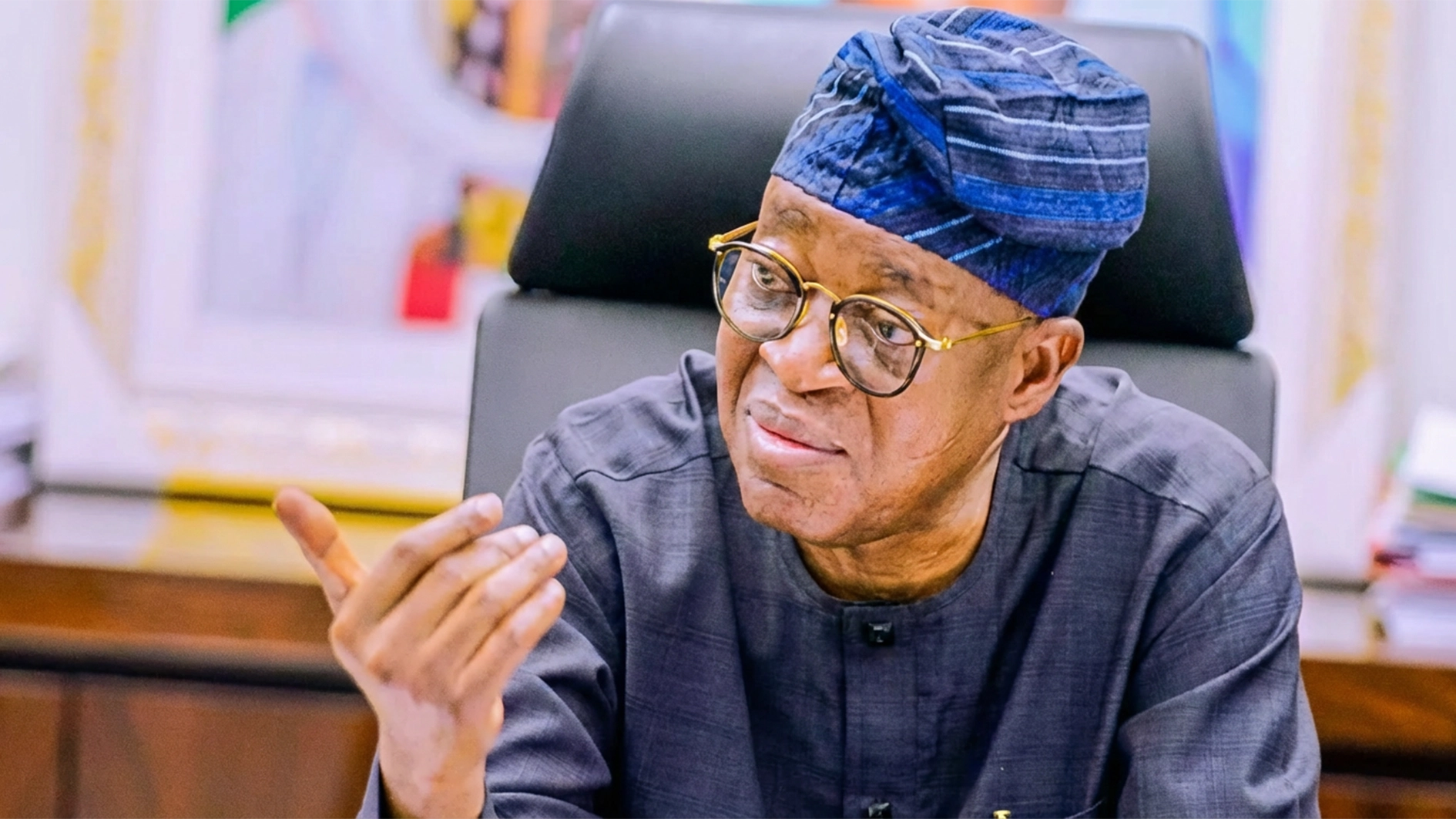
Managing Director of the Nigerian Railway Corporation (NRC), Dr Kayode Opeifa, has issued a stern warning to top railway managers against any unauthorised sale, lease or allocation of the corporation’s property.
An internal memo dated December 18, 2025, with reference number: MDL.360/25/T/VOL.1-062 and obtained by The Guardian said the management got wind of the fact that some of its officers had been engaging in the leasing, allocation and dealings in NRC landed property illegally.
The memo was addressed to Railway District Managers in Ebute Metta, Ibadan, and five other districts. Other directorates, including Procurement, Legal, Commercial, Human Resources, Mechanical and Engineering, Operations, Finance, and others, were also copied.
The communication alleged that some of its officers had been engaging in the act without proper documentation or approval from the office of the Managing Director or the Chief Executive Officer (CEO).
It categorically stated that the approval, clearance or lease of any NRC landed property is strictly under the purview of the Managing Director first and foremost.
Opeifa declared that no railway district manager is authorised to engage in any form of transaction, allocation or disposal of NRC landed property without explicit written approval from the office of the MD to the Managing Director, Railway Property Management Company Limited (RPMCL).
Earlier in the year, there was a disagreement between some concerned members of the Nigerian Union of Railway Workers (NUR) and Senior Staff Association of Communications Transport Co-operation (SSACTAC) on one hand, and the management of the NRC Properties Ltd over the alleged sale and conversion of the corporation’s property in some states, especially in the North.
While some of the NUR and SSACTAC members claimed that the corporation’s property in some states was unjustly converted, the property management company said due process was strictly followed.
The workers then jointly petitioned the Attorney-General of the Federation and Minister of Justice, as well as the Kano State government, to look into the issue, which they said had been ongoing for 17 years, from 2006 to 2023.