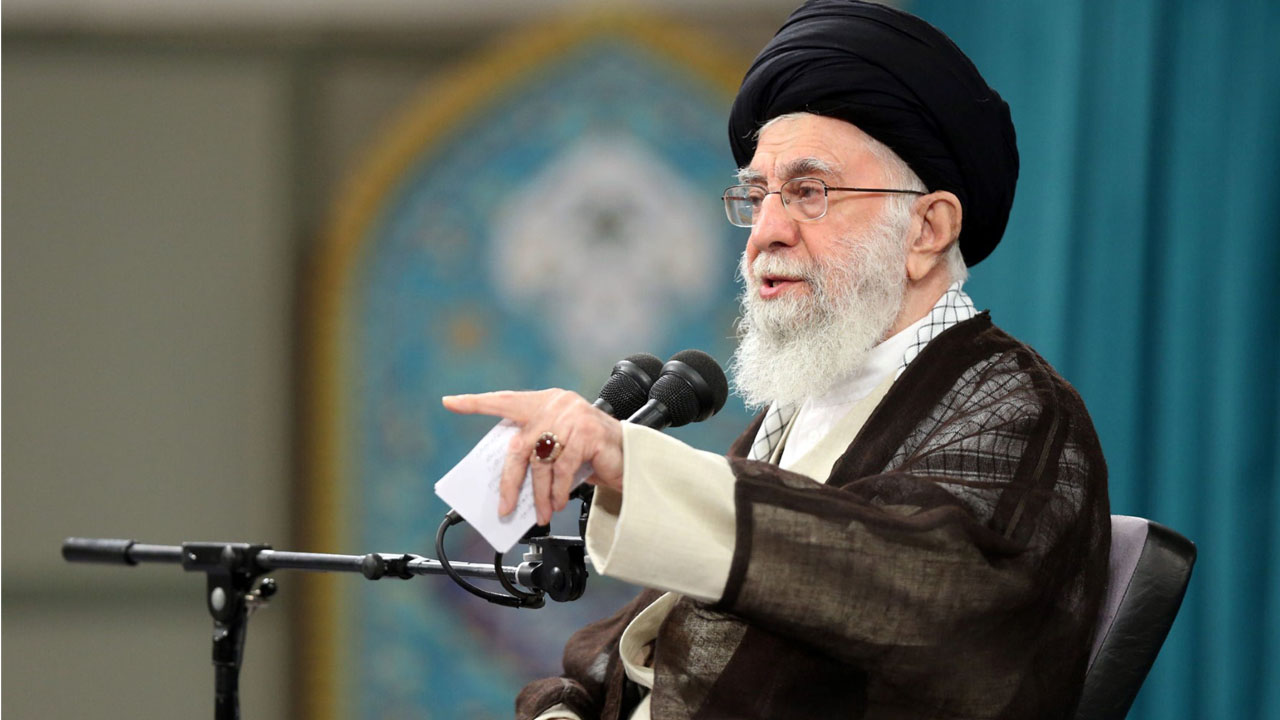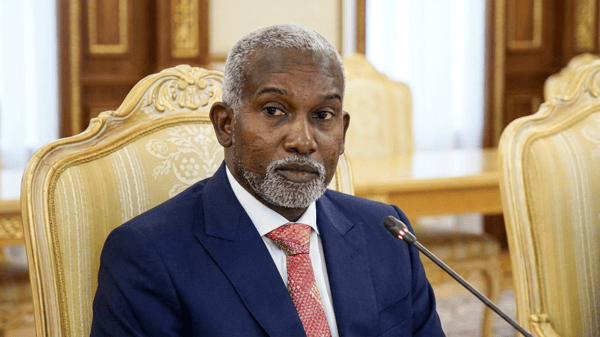
Minister of Foreign Affairs, Yusuf Tuggar, has reaffirmed Spain’s role as a strategic partner and a vital bridge between Africa and Europe.
Tuggar disclosed this during an engagement with the leadership of CEOE, Spain’s foremost business confederation, where he assured Spanish investors that Nigeria’s economy was steadily stabilising through ongoing structural reforms, diversification efforts, and strengthened macroeconomic coordination.
Currently in Spain to lead Nigeria’s delegation in talks with Spanish investors, the minister encouraged them to explore opportunities in the Nigerian market.
A statement by the minister’s media aide, Alkasim Abdulkadir, outlined several priority sectors identified as promising investment targets for Spanish businesses.
The statement reads: “In energy and gas, Nigeria’s vast reserves underpin opportunities across LNG, power generation, petrochemicals, fertilisers, and the energy transition, including major cross-border initiatives such as the African Atlantic Gas Pipeline and the Trans-Saharan Gas Pipeline. In agriculture and agro-processing, opportunities span mechanisation, food processing, cold-chain logistics, and export-oriented agribusiness.
“Infrastructure and industrial development were also identified as key areas, particularly through public–private partnerships in transport, logistics, and special economic zones. Nigeria further positioned itself as an emerging hub for Business Process Outsourcing (BPO), citing its young, English-speaking, digitally skilled workforce capable of supporting customer services, shared services, and IT outsourcing for European markets. Technology, fintech, digital infrastructure, creative industries, and professional services were also presented as high-growth sectors.
“Addressing Spanish business leaders, Nigeria underscored its appreciation of CEOE’s role as the institutional backbone of Spain’s productive economy, while highlighting the growing alignment between Nigeria’s reform-driven economic agenda and Spain’s outward-looking private sector.”
On migration and labour mobility, Nigeria reiterated that it would not encourage irregular migration, favouring instead structured and legal mobility aligned with labour market needs.
It commended Spain’s circular migration framework as consistent with long-standing West African labour practices. Properly managed labour mobility, Nigeria noted, could enhance business competitiveness, reduce irregular migration flows, and strengthen bilateral trust.
The Nigerian delegation also pointed to ongoing policy reforms aimed at improving the ease of doing business, regulatory transparency, and investor protection. Investors were assured of incentives, sector-specific support, expanding infrastructure, and a strong emphasis on diaspora- and skills-based investment that connects global expertise with domestic opportunity.