 Follow Us on Google News
 Follow Us on Google Discover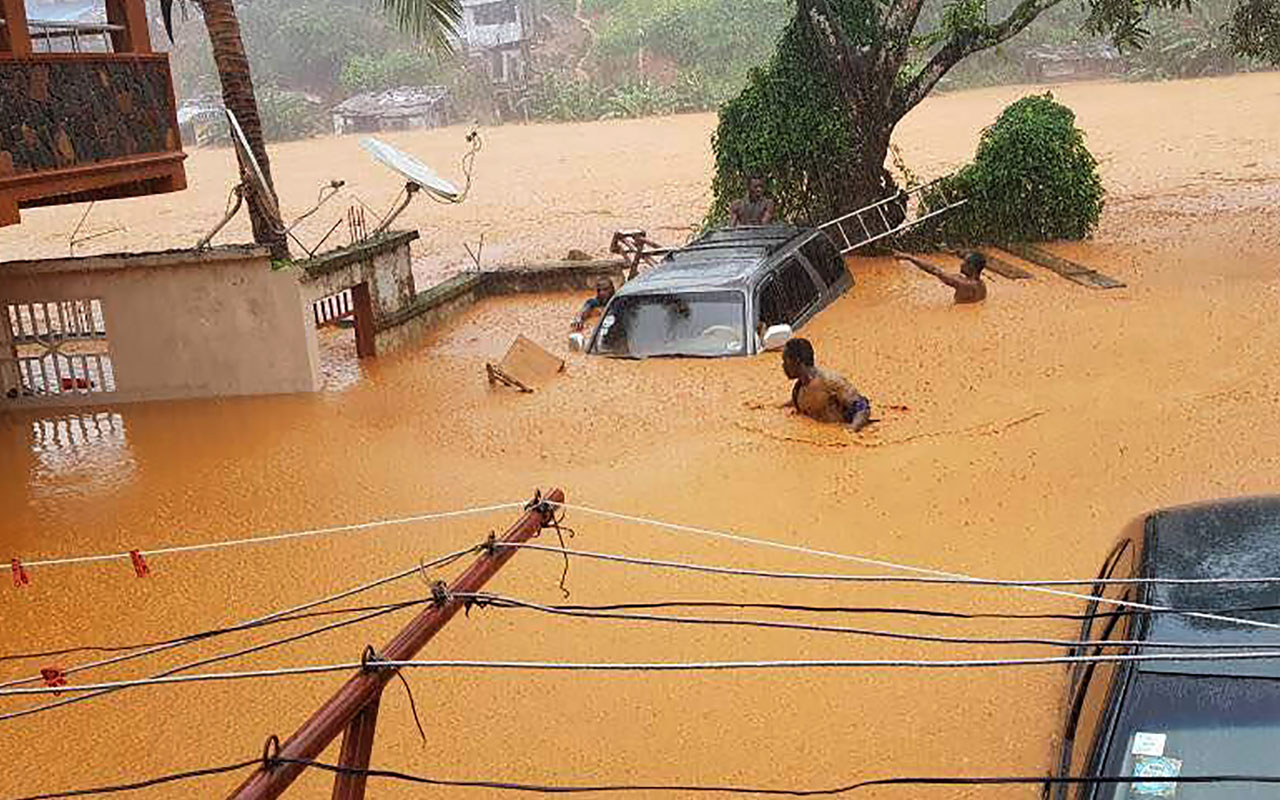
Women drawn from communities in the Niger Delta region have urged governors and council bosses in the region to adopt and localise national environmental policies and plans on climate change.
The women claimed they had been severely hit by climate change, noting that their roles predisposed them to direct impact of the change.
Speaking during an event on Capacity Building on Gender & Climate Change, yesterday, Executive Director of Kebetkache Women Development and Resource Centre, Emem Okon noted that the level of vulnerability of women was high, based on the peculiar nature of the region, adding that the issues of pollution and gas flaring are linked to flooding that affects means of livelihood like farming.
She said: “Everybody in the Niger/Delta area is vulnerable to climate change impact, particularly women. The reason is that women are the poorest of the poor. And the gender roles women play in the family and the community give them the responsibility of taking care of everybody in the family. So they have the primary responsibility of getting water, going to the farms, and attending to everybody in the family, and the manifestation of climate change goes directly to women.
“The level of vulnerability for women is high, based on the peculiar nature of the region and issues of pollution, and basic livelihood like farming and then the experience of flooding every year displacing women farmers from farming activities and also displacing people from their houses.”
Okon stressed that actions need to be taken, regretting that there are no frameworks at the state and local levels and urged community leaders to raise the advocacy so that state governors and council bosses would localise the policies on the adaptation and mitigation of climate change.

