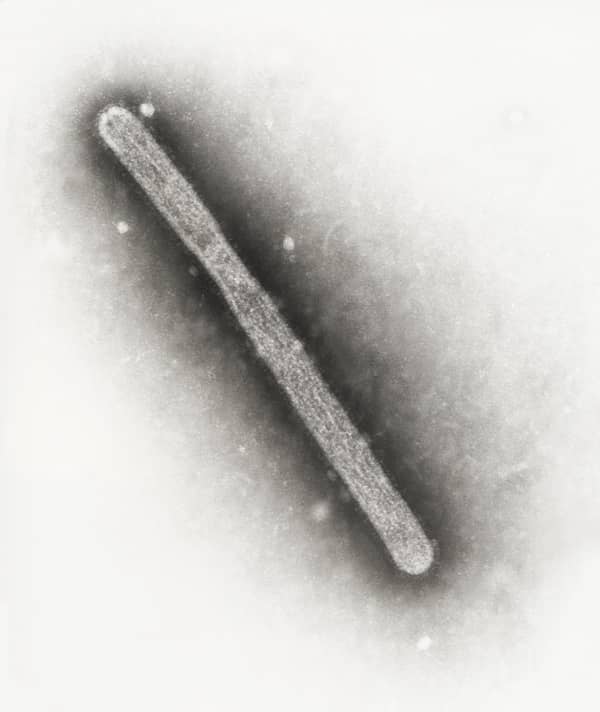
A small but growing number of H5N1 avian influenza infections have been detected in humans around the world in recent years, WHO epidemic and pandemic preparedness and prevention director Maria Van Kerkhove told a press conference.
“What we really need globally, in the US and abroad, is much stronger surveillance in animals: in wild birds, in poultry, in animals that are known to be susceptible to infection, which includes swine, which include dairy cattle, to better understand the circulation in these animals,” she said.
H5N1 first emerged in 1996 but since 2020, the number of outbreaks in birds has grown exponentially, alongside an increase in the number of infected mammals.
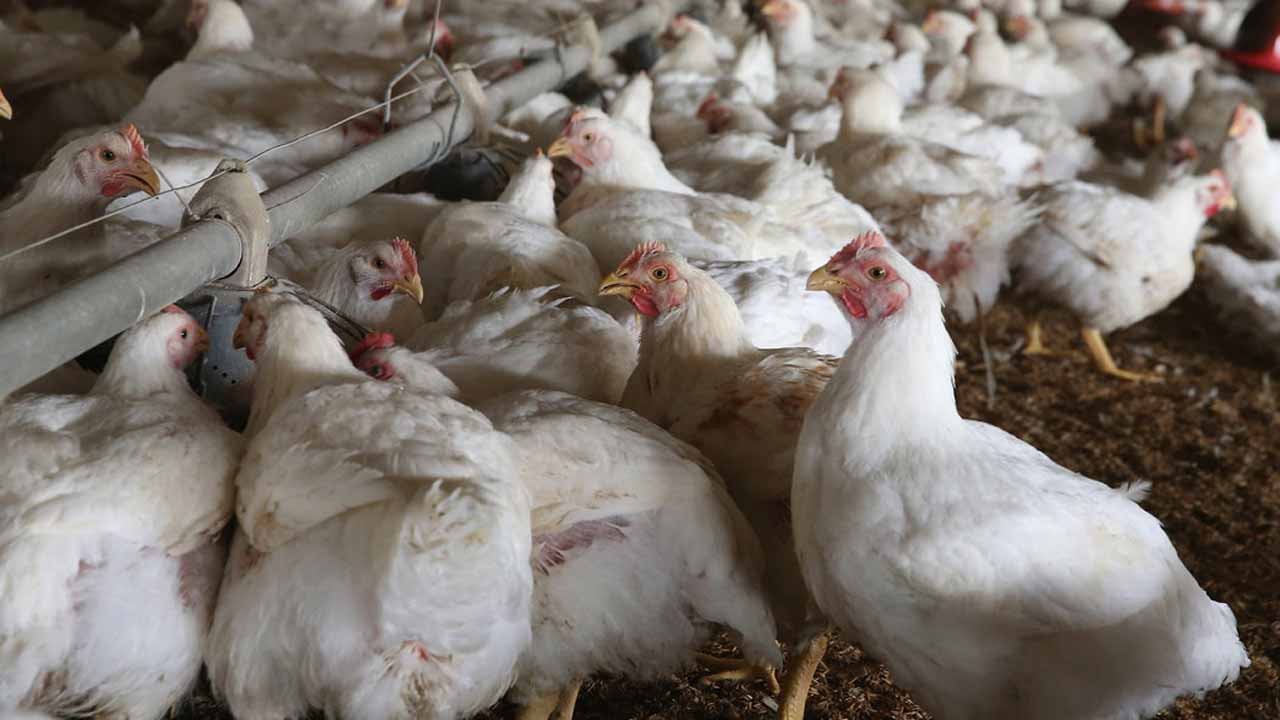
The strain has led to the deaths of tens of millions of poultry, with wild birds and land and marine mammals also infected.
Human cases recorded in Europe and the United States since the virus surged have largely been mild.
In March, infections were detected in several dairy herds across the United States.
US health officials believe the risk for the general public is low — albeit higher for those working directly with livestock animals including birds, dairy cattle and more.
Last Friday, US authorities said a child in California had become the first in the United States to test positive for bird flu infection. Health officials offered checks and preventive treatment to exposed contacts at the child’s day-care centre.
The child had mild symptoms and was said to be recovering at home following treatment with flu antivirals.
“Including this most recent case, 55 human cases of H5 bird flu have now been reported in the United States during 2024, with 29 in California,” the US Centers for Disease Control and Prevention said.
Van Kerkhove said all but two of those had known exposure to infected animals.
“We have not seen evidence of human-to-human infection. But again, for each of these human detected cases, we want to see a very thorough investigation taking place,” she said.
“We need much stronger efforts in terms of reducing the risk of infection between animals to new species and to humans,” she added, notably through testing and proper protective equipment.
Van Kerkhove, who was the WHO’s Covid-19 technical lead, stressed the importance of preparing “for when or if we will be in a situation where we are in a flu pandemic”.
“We’re not in that situation yet, but we do need more vigilance.”