Hello there, friend. I’ll be honest with you right from the start: this piece represents months of research into Nigerian linguistic patterns and years of experience observing how Arabic intersects with Nigeria’s rich tapestry of indigenous languages. The question of whether Nigerians speak Arabic isn’t as straightforward as you might think, and the answer reveals surprising historical connections and cultural practices that many people overlook completely.
I remember the first time I picked up a naira note and really examined the inscription running along its edge. That Arabic-looking script caught my attention because it seemed so out of place on a currency from a country where English is the official language. What I didn’t realise then was that this inscription, called Ajami, represents centuries of Arabic influence on Nigerian culture, particularly in the northern regions where Islam has flourished since the 11th century.
Let me clear something up immediately: the vast majority of Nigerians do not speak Arabic as a native language or use it for everyday conversation.
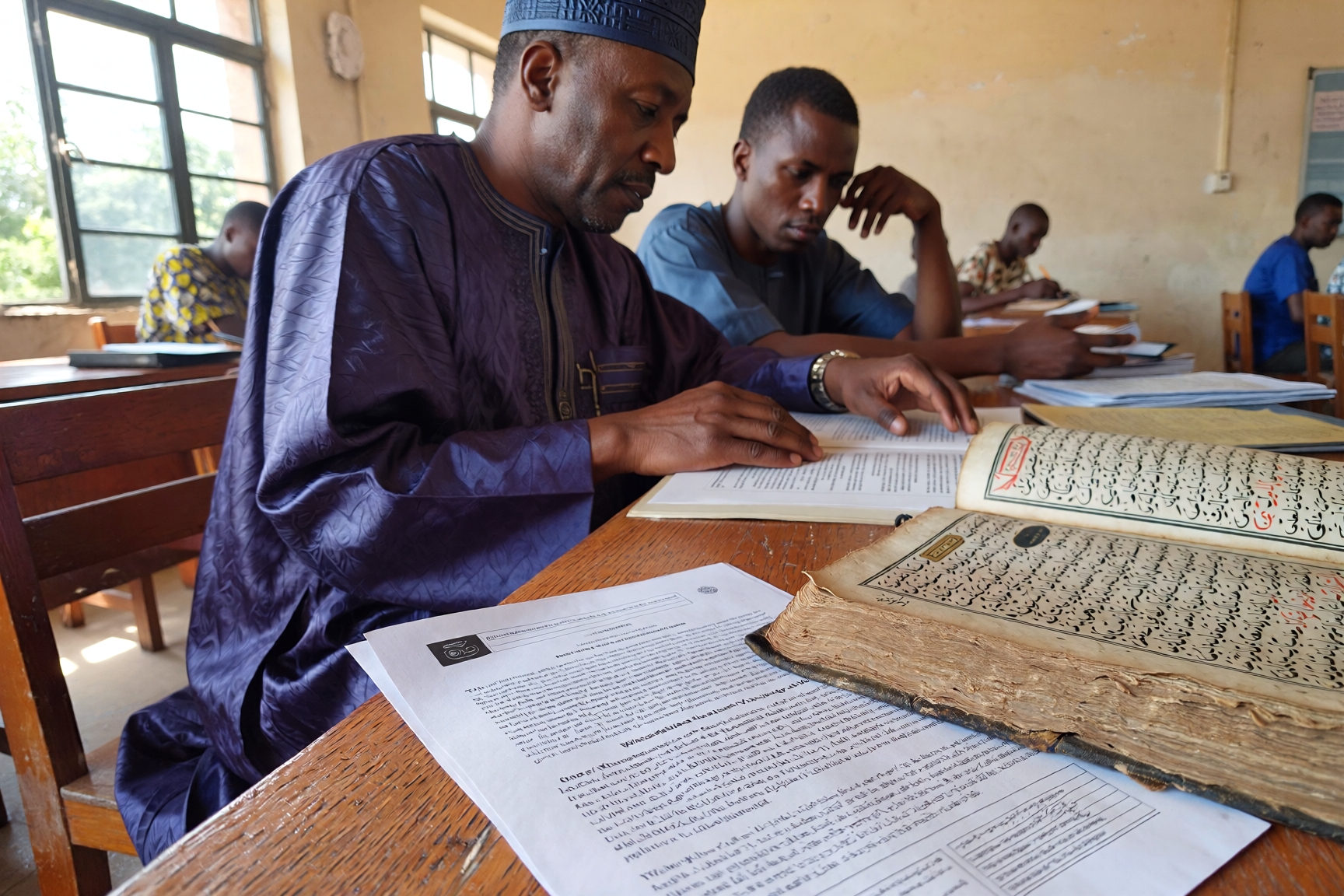
Arabic occupies a specialised position in Nigerian society, functioning primarily as a religious and liturgical language rather than a language of daily communication. Muslims across Nigeria learn Quranic Arabic for religious purposes, but this knowledge typically doesn’t extend to conversational fluency in Modern Standard Arabic. It’s rather like how many Christians worldwide might recognise Latin phrases from religious texts without actually speaking Latin.
Is Arabic a Language in Nigeria?
Arabic holds official status as one of Nigeria’s recognised languages, though not as an official language of government. The Federal Ministry of Arts, Culture and Creative Economy acknowledges three major Nigerian indigenous languages (Hausa, Yoruba, and Igbo) alongside English as the official language, but Arabic appears in educational curricula and religious instruction throughout the country. The Nigerian Educational Research and Development Council has developed Arabic language curriculum specifically for Nigerian schools, particularly in the northern states where Islamic education traditions run deep.
The situation with Arabic in Nigeria differs markedly from countries in North Africa or the Middle East where Arabic functions as both a religious and secular language. Here, Arabic remains largely confined to Islamic schools (madrasas), Quranic recitation, Friday prayers, and Islamic scholarship. Some elite Nigerian Muslims who’ve studied abroad in Saudi Arabia, Egypt, or Sudan might speak Modern Standard Arabic fluently, but they represent a tiny fraction of the population.
I once interviewed an Islamic scholar in Kano who explained that most Nigerian Muslims can read and recite Quranic Arabic without understanding what they’re saying. It’s a phenomenon he described as “reading without comprehension,” where the faithful memorise verses phonetically but lack the vocabulary and grammar to hold a conversation in Arabic. This disconnect between liturgical knowledge and practical communication defines how most Nigerians interact with the Arabic language.
The prevalence of Arabic varies dramatically across Nigeria’s regions. In the northern states, where Islam dominates culturally and demographically, exposure to Arabic through religious education is nearly universal among Muslim families. Children attend Quranic schools from ages four or five, where they learn to read the Quran in Arabic even before they master reading their own mother tongue. These early educational experiences create widespread basic literacy in Arabic script, even if conversational skills remain undeveloped.
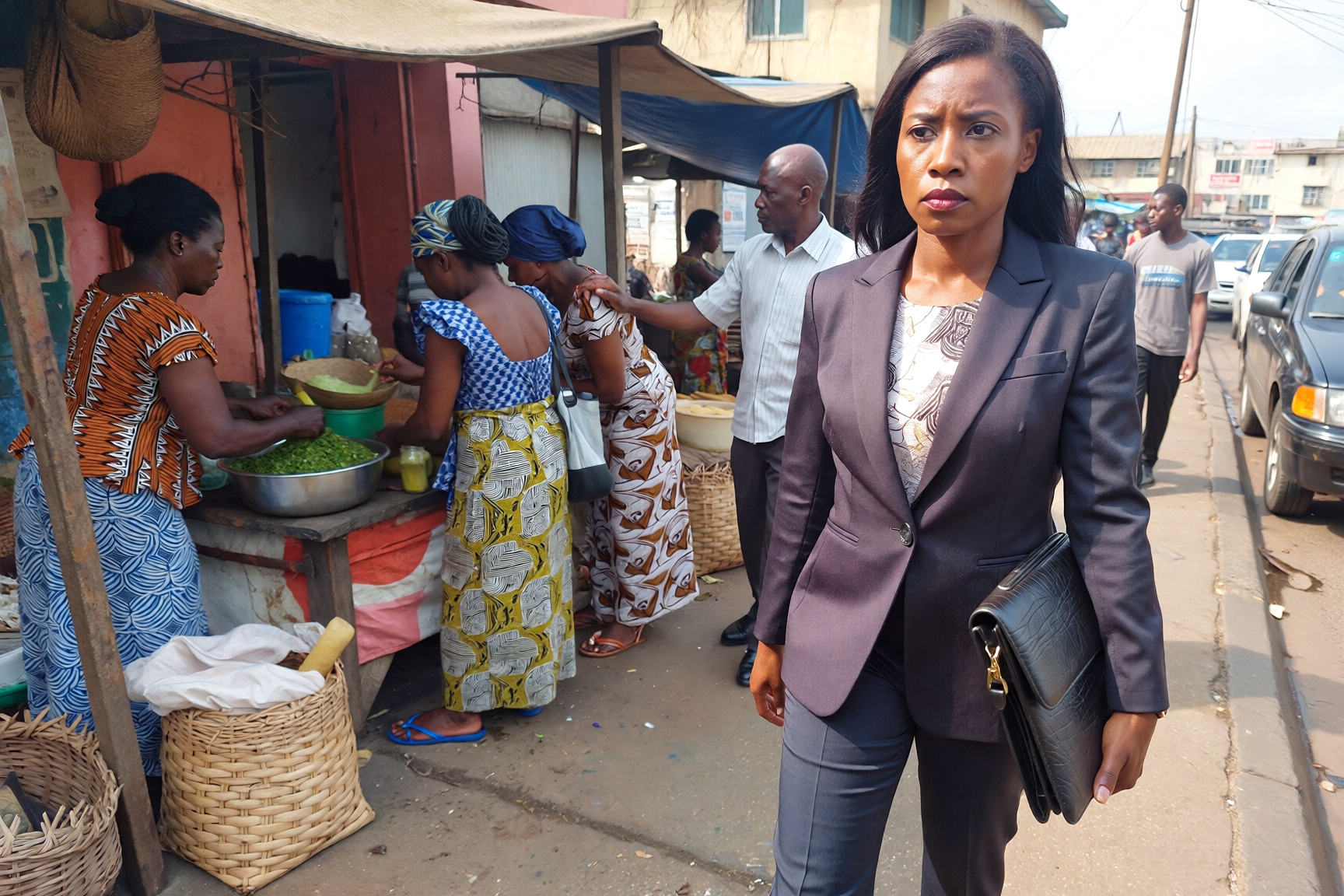
Southern Nigeria presents a different picture entirely. Christian-majority states have minimal Arabic instruction outside specialised Islamic schools, and the language holds little relevance for most residents. When I visited a Lagos market and asked traders if they spoke Arabic, several laughed and pointed me towards the northern section where Hausa merchants trade. One Yoruba woman told me, “That’s not our language. We have our own languages to preserve.”
The historical influence of Arabic on Nigerian languages deserves attention, particularly regarding Hausa, which borrowed extensively from Arabic vocabulary over centuries of Islamic contact. Words related to religion, education, numbers, and abstract concepts often derive from Arabic roots. A Guardian Nigeria article on Ajami script explains how Arabic script was adapted to write Hausa, Yoruba, and other Nigerian languages long before the Latin alphabet became standard.
Understanding Arabic’s Role in Nigerian Society: A 7-Step Guide
Arabic’s position in Nigeria requires understanding multiple overlapping contexts that vary by region, religion, and social class. Let me walk you through how to grasp this complex linguistic reality:
- Recognise the religious function: Arabic in Nigeria primarily serves Islamic religious purposes, not secular communication. Muslims learn enough Arabic to read the Quran, perform prayers correctly, and understand basic Islamic terminology. This religious literacy differs fundamentally from conversational fluency, as most Nigerian Muslims can recite verses beautifully without being able to discuss what they had for breakfast in Arabic. The distinction matters because it explains why Arabic schools are common whilst Arabic speakers remain relatively rare.
- Understand regional variations: Northern Nigeria, particularly states like Kano, Katsina, Sokoto, Borno, and Adamawa, has far higher Arabic literacy than southern regions. The old Sokoto Caliphate spread Islamic scholarship throughout the north from the 19th century onwards, establishing a tradition of Arabic learning that persists today. In contrast, southern states like Lagos, Ogun, Anambra, and Akwa Ibom have minimal Arabic presence outside immigrant communities and specialised Islamic institutions. If you’re trying to understand Arabic in Nigeria, start by acknowledging these stark geographical differences.
- Examine educational systems: Nigeria operates parallel educational tracks including conventional schools, Islamic schools (madrasas), and hybrid institutions. Children attending madrasas receive intensive Arabic instruction from an early age, whilst those in conventional schools might study Arabic as a subject from secondary school onwards. The Federal Government through the Federal Ministry of Information and National Orientation has promoted religious education within Nigeria’s national cultural framework, acknowledging Arabic’s historical significance. Understanding which educational path someone followed tells you a great deal about their Arabic competency.
- Differentiate between Quranic Arabic and Modern Standard Arabic: Many Nigerians who “know Arabic” actually know Classical Quranic Arabic, which differs from the Modern Standard Arabic used in contemporary Arab media and literature. Quranic Arabic represents 7th-century vocabulary and grammar patterns that have evolved considerably in modern usage. A Nigerian who can recite Surah Al-Fatiha perfectly might struggle to read an Egyptian newspaper or follow an Al Jazeera broadcast. This distinction confuses many people who assume all Arabic knowledge transfers equally across contexts.
- Appreciate the Ajami script tradition: Before British colonisation introduced Latin alphabets, many northern Nigerians wrote their languages using Arabic script, a practice called Ajami. The inscription on Nigerian naira notes uses Ajami script, not pure Arabic, demonstrating how Arabic writing systems adapted to indigenous languages. This script allowed pre-colonial scholars to record Hausa poetry, historical chronicles, and medicinal knowledge using familiar Arabic letters. Understanding Ajami reveals how Arabic influenced Nigerian literacy without replacing indigenous languages entirely.
- Consider socioeconomic factors: Wealthy Nigerian Muslims often send their children to Arabic-medium schools or overseas to study in Saudi Arabia or Egypt, creating a small elite class with genuine Arabic fluency. These individuals might pursue careers in Islamic finance, serve as imams in major mosques, or work for Arabic-speaking diplomatic missions. Meanwhile, average families rely on local Quranic schools where Arabic instruction rarely progresses beyond basic reading skills. The amount of money a family can invest in Arabic education typically determines their children’s proficiency level, creating clear class distinctions in Arabic competency.
- Acknowledge Arabic’s prestige function: Speaking Arabic carries social prestige within Nigerian Muslim communities, signalling religious learning and often international exposure. An imam who delivers Friday sermons incorporating Arabic phrases beyond basic religious formulae commands respect and authority. Politicians in northern states occasionally sprinkle Arabic terms into speeches to signal their Islamic credentials. This prestige function means that even limited Arabic knowledge provides social capital within specific contexts, though it doesn’t reflect widespread practical usage.
What Language Do Nigerians Speak?
Now let’s address the primary languages Nigerians actually use for daily communication. English functions as Nigeria’s official language, inherited from British colonisation and maintained to avoid favouring any single ethnic group. In government offices, courts, universities, and formal business settings, English dominates completely. Every Nigerian who’s attended school has some English proficiency, though fluency levels vary dramatically between urban and rural areas.
Beyond English, Nigeria’s three major indigenous languages serve as regional lingua francas. Hausa predominates in the north, spoken by approximately 50 million people as either a first or second language. Yoruba anchors the southwest with around 30 million speakers, whilst Igbo serves the southeast with about 25 million speakers. These languages cross ethnic boundaries within their regions, allowing diverse groups to communicate for trade, administration, and social interaction.
But here’s where it gets interesting: Nigerian Pidgin functions as an unofficial national language, understood by over 60 million Nigerians across ethnic and regional divides. This English-based creole evolved from contact between British traders and coastal populations, then spread inland as a practical communication tool. In Lagos markets, bus stations, and informal settings throughout the country, Pidgin bridges linguistic gaps that English and indigenous languages cannot. I’ve watched market traders in Lagos effortlessly switch between Yoruba, Igbo, Hausa, Pidgin, and English depending on their customer, a linguistic flexibility that still amazes me.
As detailed in a Guardian Nigeria article on Nigerian languages, the country hosts over 520 languages belonging to different language families. Beyond the major three, significant languages include Fulfulde (15 million speakers), Kanuri, Tiv, Edo, Nupe, Ibibio, and hundreds of smaller languages. Each Nigerian typically speaks their mother tongue, English for formal contexts, possibly Pidgin for informal communication, and perhaps a major regional language if they live outside their ethnic homeland.
This multilingual reality means most Nigerians juggle three to five languages daily, switching contexts with remarkable ease. A typical Igbo businessman in Kano might speak Igbo at home with family, Hausa in the market, English at the bank, and Pidgin with friends in the evening. This linguistic flexibility represents one of Nigeria’s greatest social assets, though it also creates educational challenges for children learning multiple languages simultaneously.
Nigeria’s Languages by Region and Speaker Population
Here’s a breakdown showing the primary languages spoken across Nigerian regions, including Arabic’s limited presence:
| Region | Primary Languages | Arabic Speakers | Estimated Population | Religious Context |
|---|---|---|---|---|
| North-West | Hausa, Fulfulde | 5-8% liturgical knowledge | 42 million | Strong Islamic tradition with Quranic schools |
| North-East | Hausa, Kanuri, Fulfulde | 6-10% liturgical knowledge | 27 million | Historical Arabic scholarship centres |
| North-Central | Hausa, Tiv, Nupe | 3-5% liturgical knowledge | 24 million | Mixed Muslim-Christian population |
| South-West | Yoruba, English | Less than 1% | 38 million | Balanced Muslim-Christian population |
| South-East | Igbo, English | Less than 0.5% | 21 million | Predominantly Christian population |
| South-South | Ijaw, Efik, Ibibio | Less than 0.5% | 28 million | Predominantly Christian population |
This table demonstrates that even in northern regions with strong Islamic traditions, Arabic speakers (meaning those with conversational fluency) represent a small minority of the population. The “liturgical knowledge” category includes people who can read Quranic Arabic without necessarily understanding or speaking the language conversationally. The percentages reflect Arabic’s specialised religious role rather than its function as a practical communication tool in daily Nigerian life.
What African Countries Speak Arabic?
Understanding Nigeria’s relationship with Arabic requires broader African context. Arabic functions as an official language in several North African countries including Egypt, Libya, Tunisia, Algeria, Morocco, and Mauritania, where it serves both religious and secular purposes. These nations developed Arabic-speaking identities through centuries of Arab conquest, migration, and cultural integration following the 7th-century Islamic expansion.
In East Africa, Arabic holds co-official status in Chad, Eritrea, and Djibouti, reflecting historical trade connections across the Red Sea and Sahara Desert. Sudan’s northern regions speak Arabic as a native language, though this creates tension with non-Arab southern populations. Somalia presents an interesting case where Arabic serves as an official language alongside Somali, primarily for diplomatic and religious contexts rather than domestic communication.
The pattern across Arabic-speaking African countries reveals that geographical proximity to the Arabian Peninsula, sustained historical contact through trade or conquest, and majority Muslim populations typically correlate with Arabic adoption. Nigeria lacks these preconditions in their full form. Whilst northern Nigeria certainly has deep Islamic roots and historical Arabic scholarship, it never experienced the large-scale Arab settlement and population replacement that shaped North African linguistic patterns.
I once attended a conference in Morocco where Nigerian delegates struggled to communicate with their North African counterparts despite both groups identifying as Muslims. The Moroccans spoke Arabic natively, whilst the Nigerians communicated in English and Hausa. This awkward communication gap illustrated how different Islamic regions developed distinct linguistic trajectories based on their unique histories. The assumption that Islam automatically equals Arabic fluency doesn’t hold true in Nigeria’s context.
Sub-Saharan African countries generally don’t speak Arabic as a native language, even in predominantly Muslim nations. Senegal, Mali, Niger, and Gambia all have Muslim-majority populations but use French or indigenous languages for daily communication, relegating Arabic to religious contexts similar to Nigeria’s pattern. This suggests that Arabic’s role in Nigerian society fits a broader West African model rather than representing a unique Nigerian quirk.
The translation initiatives between Qatar and Nigeria demonstrate ongoing efforts to bridge the Arabic-Nigerian language gap. These projects translate Arabic literary works into Hausa and Yoruba, acknowledging that most Nigerians cannot access Arabic texts directly. If Nigerians widely spoke Arabic, such translation efforts would be unnecessary, yet they continue precisely because Arabic remains largely inaccessible to the Nigerian public despite the country’s substantial Muslim population.
Why is There Arabic on Naira?
The Arabic script on Nigerian currency fascinates people because it seems incongruous with Nigeria’s linguistic reality. As mentioned earlier, this isn’t pure Arabic but rather Ajami script, which adapts Arabic letters to write Hausa. When Nigeria introduced its currency in 1973, replacing the Nigerian pound, designers included Ajami inscriptions to recognise northern Nigeria’s Islamic heritage and literacy traditions. The script was already familiar from historical documents, Quranic manuscripts, and traditional poetry.
Each denomination of Nigerian naira features text in Ajami describing the note’s value. Former Central Bank Governor Muhammad Sanusi II confirmed that these inscriptions would remain on redesigned notes despite occasional public debate, as removing them would erase an important aspect of Nigerian cultural heritage. The Ajami serves both practical and symbolic functions, allowing literate northern Nigerians to read the currency whilst signalling national unity through linguistic diversity.
The historical context matters here. Before British colonisation, the Sokoto Caliphate and other northern emirates used Ajami script for administration, scholarship, and commerce. Shehu Usman Dan Fodio, who founded the Sokoto Caliphate in 1804, wrote extensively in Arabic, Fulfulde, and Hausa using Arabic script. His legacy influenced generations of Islamic scholars who continued using Ajami even after colonial authorities introduced Latin alphabets. Including Ajami on naira notes honours this intellectual tradition whilst practically accommodating citizens literate in Arabic script rather than Latin letters.
I remember asking a currency collector in Abuja why he thought the Ajami remained on modern notes when most young Nigerians cannot read it. He laughed and said it’s rather like keeping “In God We Trust” on American currency even though not everyone believes in God. It’s a heritage marker, a nod to history, and a compromise that avoids favouring one ethnic group’s writing system over another. The English text serves official purposes, whilst the Ajami acknowledges cultural diversity without requiring everyone to understand it.
Some critics argue that the Ajami on naira notes is anachronistic in a country where English dominates and fewer young people learn Arabic script. Others defend it as vital cultural preservation, pointing out that the Hausa language originally developed written literature through Ajami before adopting Latin alphabets. This debate mirrors larger tensions in Nigerian society about how to balance modernisation with cultural continuity, whether traditional practices should adapt to contemporary realities or persist unchanged despite shifting social conditions.
The cost of removing Ajami from naira notes would be substantial, requiring new printing plates, security feature redesigns, and public education campaigns explaining the change. Given Nigeria’s economic challenges, spending hundreds of millions of naira to remove a harmless cultural symbol strikes most policymakers as poor resource allocation. As long as the English text clearly indicates the denomination, the Ajami can remain as an artistic and historical element without causing practical problems.
Final Thoughts: Arabic’s Limited but Significant Role in Nigeria
So, do Nigerians speak Arabic? The answer is nuanced: most Nigerians have some exposure to Arabic through Islamic religious instruction, but very few speak it conversationally. Arabic functions primarily as a liturgical and scholarly language rather than a tool for everyday communication. Northern Nigerians encounter Arabic more frequently through Quranic schools and religious practices, whilst southern Nigerians rarely interact with the language outside specialised academic contexts.
Understanding this distinction helps clarify misconceptions about language use in Africa’s most populous country. Nigeria’s linguistic landscape reflects its complex history, balancing indigenous languages, colonial English, religious Arabic, and the practical innovations of Pidgin. Each language serves specific functions, and Arabic’s limited presence doesn’t diminish the country’s rich multilingual character.
If you’re planning to visit Nigeria or communicate with Nigerians, focus on English as your primary language, with perhaps a few greetings in Hausa, Yoruba, or Igbo depending on your destination. Unless you’re attending Islamic scholarly conferences or studying at a northern madrasa, your Arabic skills won’t find much practical application. Instead, appreciate how Nigeria’s diverse linguistic ecology creates opportunities for cultural exchange and understanding across its varied regions.
Key Takeaways:
- Most Nigerians learn Quranic Arabic for religious purposes but cannot speak it conversationally, with true fluency limited to Islamic scholars and those who’ve studied extensively in Arab countries.
- Arabic’s presence in Nigeria concentrates heavily in northern Muslim-majority states, whilst remaining virtually absent from daily life in southern Christian-majority regions.
- Nigeria’s currency features Ajami script (Arabic letters adapted for Hausa) as cultural recognition, not because Arabic functions as a practical language for most citizens.
Understanding Arabic and Language Diversity in Nigeria
I’ve spent years observing how linguistic identity shapes Nigerian society, and the Arabic question connects to broader patterns about cultural preservation and adaptation. My earlier article on what languages Nigerians speak explores the country’s remarkable multilingualism in greater depth, examining how over 520 languages coexist within a single nation. If you found this discussion of Arabic interesting, you might also appreciate my piece on Nigerian cultural values, which touches on how religious traditions, including Islamic scholarship, shape contemporary Nigerian identity.
FAQ: Do Nigerians Speak Arabic?
Do most Nigerians speak Arabic fluently?
No, most Nigerians do not speak Arabic fluently despite the country’s large Muslim population. Muslims learn Quranic Arabic for religious purposes, but this liturgical knowledge rarely translates to conversational ability in Modern Standard Arabic.
Is Arabic one of Nigeria’s official languages?
No, English is Nigeria’s sole official language, inherited from British colonisation. Hausa, Yoruba, and Igbo function as major regional languages, whilst Arabic serves primarily religious and educational roles rather than official government functions.
Why do Nigerian Muslims learn Arabic if they don’t speak it?
Nigerian Muslims learn Arabic to read the Quran, perform Islamic prayers correctly, and understand religious texts. This religious literacy differs from conversational fluency, rather like Christians recognising Latin phrases without speaking Latin as a language.
Where in Nigeria do people speak Arabic?
Northern Nigerian states like Kano, Sokoto, Katsina, and Borno have higher Arabic literacy due to strong Islamic traditions and Quranic schools. However, even there, conversational Arabic speakers represent a small minority of educated elites and religious scholars.
What is Ajami script on Nigerian naira notes?
Ajami uses Arabic letters to write Hausa language, not pure Arabic. Nigerian currency features Ajami inscriptions as cultural recognition of northern Nigeria’s historical literacy traditions, though most modern Nigerians cannot read this script.
How many Nigerians can read Quranic Arabic?
Approximately 40-45% of Nigerians are Muslim, and most have basic Quranic reading ability from religious education. However, reading ability doesn’t equal comprehension, as many recite verses phonetically without understanding their meaning.
Do Nigerian universities teach Arabic?
Yes, many Nigerian universities offer Arabic language and Islamic studies programmes, particularly in northern states. These academic programmes produce graduates with genuine Arabic fluency, though they represent a tiny fraction of the population.
Can Hausa speakers understand Arabic?
No, Hausa and Arabic belong to completely different language families despite Hausa borrowing many Arabic words. A Hausa speaker without separate Arabic training cannot understand Arabic, though they might recognise religious terminology.
Is Arabic more common in Nigeria than French?
Yes, Arabic has far greater presence than French in Nigeria despite French being spoken in neighbouring countries. Islamic religious instruction exposes millions of northern Nigerians to Arabic, whilst French remains a specialised academic subject.
Why don’t southern Nigerians learn Arabic?
Southern Nigeria is predominantly Christian, so Arabic holds little cultural or religious relevance there. Southern states prioritise indigenous languages, English, and occasionally French over Arabic in educational curricula.
Do Arabic speakers from Middle Eastern countries understand Nigerian Arabic learners?
Usually no, because most Nigerian Arabic learners know only Quranic Classical Arabic, whilst Middle Easterners speak Modern Standard Arabic or regional dialects. The vocabulary and grammar patterns differ substantially between these Arabic varieties.
Will Nigeria adopt Arabic as an official language?
Extremely unlikely, as doing so would favour Muslim northern regions over Christian southern regions, potentially increasing ethnic and religious tensions. English serves as a neutral lingua franca that doesn’t privilege any particular ethnic or religious group.