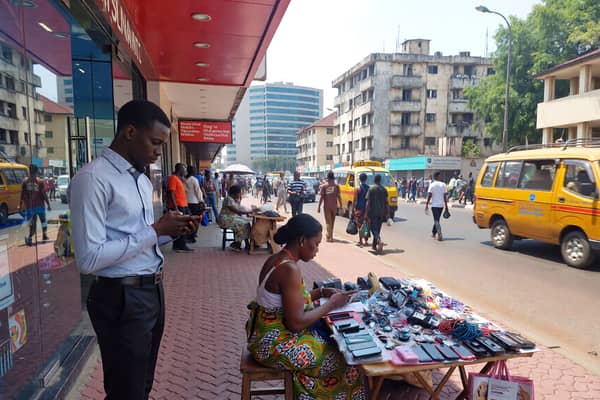
Hello there, friend. I need to share something with you that represents months of careful research and years of covering Nigeria’s employment landscape. This piece addresses a question I encounter constantly: how do ordinary Nigerians actually earn their living in Nigeria?
The truth is more complex and more remarkable than most people imagine. After speaking with street vendors in Aba, civil servants in Abuja, farmers in Kano, and tech workers in Lagos, I’ve discovered that Nigerian survival and prosperity comes through channels that often surprise international observers and sometimes even Nigerians themselves. What I’ve learned about how people feed their families, pay school fees, and build futures has fundamentally changed how I understand this country’s economic realities.
I remember interviewing Mrs. Chidinma in Owerri last year. She teaches primary school in the morning (₦85,000 monthly), runs a small provision shop in the afternoon (₦40,000 profit monthly), and sells clothes on Instagram at weekends (₦30,000 monthly). Her combined income of ₦155,000 places her in Nigeria’s middle class, but it requires working essentially three jobs simultaneously. That’s how the average Nigerian makes a living, through what I call productive hustle rather than a single stable income stream.
How Much Does an Average Nigerian Earn?
The question of average income in Nigeria reveals fascinating patterns once you look beneath surface statistics. According to the National Bureau of Statistics, Nigeria’s formal sector employs only about 12% of the workforce, meaning roughly 88% of Nigerians work for themselves or in informal arrangements.
When people ask about average earnings, they’re usually thinking of formal salaries. But that’s rather like asking about the average colour of cars in Nigeria whilst ignoring all the motorcycles, tricycles, and buses that actually move most people around!
The actual answer depends enormously on which sector, location, and employment type you’re examining. A mid-level banker in Lagos might earn ₦500,000 monthly whilst a teacher in rural Taraba receives ₦75,000. A successful roadside mechanic in Ibadan could clear ₦200,000 monthly in profit whilst a university graduate struggling to find formal employment might make ₦50,000 doing odd jobs.
The World Bank reported that 129 million Nigerians live below the poverty line, which means more than half the population earns below ₦137,000 monthly (the rough poverty threshold). Yet somehow, cities pulse with economic activity, markets overflow with goods, and children attend schools. This apparent paradox tells you something important about Nigerian resourcefulness.
For formal sector workers, the current minimum wage stands at ₦70,000 monthly, though some states like Imo now pay ₦104,000 whilst Lagos offers ₦85,000. These figures represent floor payments for the lowest-grade workers in government and registered private businesses. Most established companies pay considerably more, especially in banking, telecommunications, oil and gas, and multinational corporations.
I’ve found that asking about average income in Nigeria is rather like asking about average weather. The variation is so vast that the average becomes almost meaningless. A more useful question is: what do people typically earn in specific sectors and locations?
Let me share what I’ve learned from extensive research and conversations across the country.
How Nigerians Actually Generate Income
The ways Nigerians make money reveal creativity and persistence that would impress any economist studying informal economies. The Federal Ministry of Labour and Employment recognises this complexity, which is why traditional employment statistics often miss the full picture.
Most Nigerians don’t have one job. They have income streams, some more dependable than others, that collectively provide what they need to survive and hopefully prosper. I’ve met civil servants who farm on weekends, teachers who trade currencies during holidays, and corporate workers who run side businesses from their phones during commute hours.
The dominant employment category is self-employment in agriculture and non-agriculture activities. According to National Bureau of Statistics data, about 66% of Nigerians working full time are self-employed. They’re not waiting for someone to give them a job. They’re creating their own income through trading, farming, service provision, or artisan work.
This includes the mama puts (food vendors) serving rice and stew from roadside stalls for ₦500 per plate, potentially earning ₦30,000 to ₦80,000 monthly after costs. It includes the commercial motorcycle riders (okada) who might clear ₦3,000 daily in good areas, totalling ₦90,000 monthly. It encompasses tailors charging ₦5,000 to ₦15,000 per outfit, hairdressers collecting ₦2,000 to ₦10,000 per head, and carpenters earning ₦10,000 to ₦50,000 per job.
Agricultural work employs more Nigerians than any other sector, particularly in rural areas. Smallholder farmers growing cassava, yams, maize, or rice might earn ₦50,000 to ₦200,000 per harvest cycle, depending on land size and crop prices. Many combine subsistence farming (feeding their families) with cash crop production (generating income).
The formal wage employment sector, whilst smaller, offers more predictable income. This includes government workers (civil servants, teachers, police, military), private company employees (banks, telecoms, manufacturing, oil and gas), and professionals (doctors, lawyers, engineers, accountants).
Government workers typically earn between ₦70,000 (minimum wage) and ₦500,000 monthly depending on grade level and seniority. A fresh graduate entering the civil service might start at ₦120,000 whilst a director-level official could earn ₦800,000 to ₦1,200,000. Teachers generally receive ₦75,000 to ₦150,000 depending on qualifications and experience, though some states owe months of salary arrears.
Private sector wages vary enormously. Entry-level positions in small companies might pay ₦80,000 to ₦120,000 monthly whilst similar roles in multinational corporations offer ₦200,000 to ₦350,000. Banking sector workers enjoy relatively high compensation, with relationship managers earning ₦400,000 to ₦800,000 monthly, though they face intense performance pressure and frequent staff turnover.
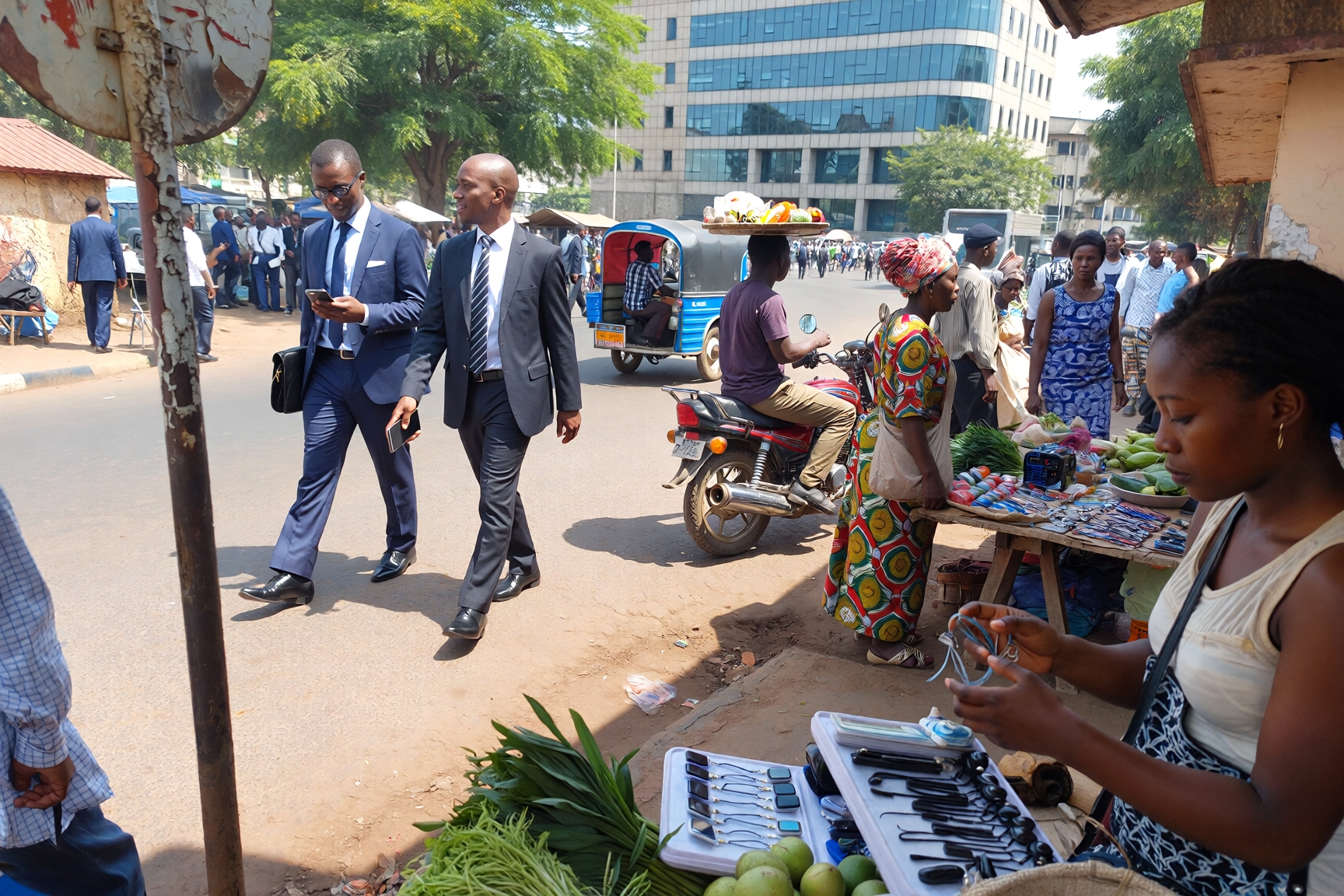
Employment Income Across Nigerian Sectors
This table illustrates the stark income variations across different sectors and employment types in Nigeria:
| Employment Category | Monthly Income Range (Naira) | Annual Income (Naira) | Employment Security | Typical Benefits |
|---|---|---|---|---|
| Informal agriculture (smallholder) | ₦40,000 – ₦150,000 | ₦480,000 – ₦1,800,000 | Highly seasonal | Minimal |
| Informal trading/services | ₦50,000 – ₦200,000 | ₦600,000 – ₦2,400,000 | Variable | None |
| Artisan/skilled trade | ₦80,000 – ₦300,000 | ₦960,000 – ₦3,600,000 | Moderate | Minimal |
| Entry-level government | ₦70,000 – ₦150,000 | ₦840,000 – ₦1,800,000 | High | Pension, housing |
| Mid-level government | ₦200,000 – ₦500,000 | ₦2,400,000 – ₦6,000,000 | High | Full package |
| Entry-level private sector | ₦100,000 – ₦250,000 | ₦1,200,000 – ₦3,000,000 | Moderate | Limited |
| Banking/telecom specialist | ₦400,000 – ₦1,000,000 | ₦4,800,000 – ₦12,000,000 | Moderate | Comprehensive |
| Oil & gas professional | ₦600,000 – ₦2,000,000 | ₦7,200,000 – ₦24,000,000 | High | Full expatriate-style |
The data reveals that location, sector, and employment type create income disparities that dwarf differences in educational qualifications alone. A university graduate teaching in a rural secondary school earns ₦90,000 whilst their classmate working for an international oil company in Port Harcourt collects ₦800,000. Both work full time with similar qualifications, but sector and industry determine the vast income difference.
The Reality of MTN Staff Salaries and Corporate Nigeria
Since you specifically asked about MTN salaries, let me address that directly because it illustrates something important about corporate compensation in Nigeria.
MTN Nigeria, the country’s largest mobile telecommunications operator, represents the upper tier of private sector compensation. Recent data shows that 84% of MTN’s employees earn over ₦1 million monthly, whilst even the lowest-paid staff member averages ₦458,333 monthly (approximately 15 times the national minimum wage).
For MTN specifically, entry-level staff earn around ₦120,000 to ₦180,000 monthly during their Graduate Development Programme. Once confirmed as permanent staff, this rises to ₦220,000 to ₦300,000 monthly including benefits. Specialist staff collect ₦390,000 or more monthly (₦4.6 million annually), whilst managers earn approximately ₦775,000 monthly (₦9.3 million annually).
Why does MTN pay so well? The company conducts annual salary reviews regardless of naira fluctuations, a policy unique among Nigerian employers. This saw their total wage bill surge 59.5% in 2024, rising from ₦42.7 billion to ₦71.7 billion. MTN recognises that competitive compensation attracts and retains the skilled professionals (engineers, network architects, software developers, cybersecurity specialists) essential to telecommunications operations.
However, MTN’s generous pay creates unrealistic expectations about Nigerian employment. They employ roughly 1,809 people nationwide, representing a tiny fraction of Nigeria’s 220 million population. Most Nigerians will never work for MTN or companies offering comparable compensation.
The broader corporate sector shows more modest but still decent wages compared to informal work. Major banks like GTBank, Access Bank, and Zenith Bank pay entry-level staff ₦200,000 to ₦300,000 monthly with potential bonuses. Manufacturing companies like Nestle or Unilever offer ₦150,000 to ₦250,000 for entry positions. Consulting firms and international NGOs pay ₦250,000 to ₦400,000 for graduate trainees.
I remember talking with Ahmed, a Bayero University graduate who spent nine months job hunting before accepting ₦110,000 monthly at a small logistics company in Kano. He desperately wanted MTN or banking roles offering triple that amount, but competition for corporate positions is fierce. Thousands apply for dozens of vacancies. Most graduates never secure formal employment in their field, forcing them toward entrepreneurship or informal work.
The harsh reality is that formal corporate employment remains a privileged minority experience in Nigeria. The National Bureau of Statistics labour force reports consistently show that only 11-13% of employed Nigerians work in wage employment, with the vast majority self-employed or working in family businesses without formal salaries.
What Constitutes a Living Wage in Nigerian Context
The concept of a living wage in Nigeria is complicated because cost of living varies dramatically between locations, and Nigerian households typically include extended family members that pooled resources support. What constitutes subsistence in Lagos represents comfort in Sokoto.
Current minimum wage stands at ₦70,000 monthly, but this barely covers basic needs even in smaller cities. Housing alone consumes ₦25,000 to ₦100,000 monthly depending on location and quality. Transportation costs ₦15,000 to ₦40,000. Food for a small family requires ₦60,000 to ₦120,000. Add school fees, healthcare, electricity, and unexpected emergencies, and ₦70,000 disappears rapidly.
Financial analysts suggest ₦200,000 to ₦300,000 monthly represents a genuine living wage for a small family (two adults, two children) in urban Nigeria. This provides basic housing (one or two bedroom flat), adequate nutrition, public school education, occasional healthcare, and modest savings. It won’t fund international schools, generator fuel during constant power cuts, or emergency medical procedures, but it prevents absolute poverty.
In Lagos specifically, ₦350,000 to ₦500,000 monthly provides similar purchasing power to ₦200,000 in smaller cities. Lagos rents, transportation, and general costs inflate every budget category.
Yet millions survive on less through strategies that demonstrate remarkable resourcefulness. They share accommodation with relatives (reducing housing costs to ₦10,000 to ₦20,000 monthly). They buy food ingredients in bulk from wholesale markets (stretching ₦40,000 further than ₦80,000 spent at retail shops). They walk long distances or use shared commercial motorcycles instead of taxis. They patronise traditional healers or roadside chemists instead of proper hospitals. They send children to government schools charging ₦5,000 yearly instead of private schools demanding ₦150,000 per term.
The addressing the gender pay gap becomes particularly important here because women typically earn 20-30% less than men in comparable roles, meaning they’re even further from living wage thresholds.
Most Nigerians don’t earn a living wage by international standards. They earn a surviving wage, supplemented by family networks, informal support systems, and creative income stacking that transforms multiple small earnings into just enough.
I’ve documented families where the father drives okada (₦80,000 monthly), the mother sells vegetables at the market (₦60,000 monthly), the eldest son does barbering at weekends (₦25,000 monthly), and the grandmother minds a provisions kiosk (₦15,000 monthly). Combined family income of ₦180,000 supports eight people. It’s not comfortable, but it functions.
Understanding Nigeria’s Informal Economy Dominance
The informal economy isn’t a sidebar in Nigerian employment. It is Nigerian employment for the vast majority.
According to the National Bureau of Statistics, 92.2% of employed Nigerians work in informal employment, meaning 77.5 million people earn income outside formal structures with employment contracts, statutory benefits, or tax obligations. This includes everyone from street hawkers to skilled tradespeople to smallholder farmers.
Why is informal work so dominant? Several factors drive this:
Formal job scarcity means university graduates compete for limited positions. Nigeria produces roughly 600,000 graduates yearly whilst formal sector creates perhaps 50,000 to 100,000 new jobs. The maths doesn’t work. Most graduates eventually abandon formal employment dreams and create their own opportunities.
Low barriers to entry make informal work accessible. You need ₦20,000 to buy bulk goods and start roadside trading. You need ₦50,000 to rent a kiosk and sell provisions. You need ₦100,000 to buy a motorcycle and start commercial transport. Compare this to formal employment requiring degrees, professional certifications, connections, and luck.
Flexible hours and autonomy appeal to people juggling multiple responsibilities. A mother can watch her children whilst selling goods from home. A young person can trade cryptocurrencies or resell items online whilst searching for better opportunities. This flexibility is impossible in formal employment demanding rigid 8am to 5pm attendance.
Higher potential earnings sometimes favour informal work. A skilled welder charges ₦15,000 to ₦40,000 per job and completes several weekly, potentially earning ₦300,000 monthly. A corporate employee with similar technical skills might earn ₦180,000 monthly with fixed hours and office politics. The informal worker keeps everything they earn, the formal worker pays taxes and contributions.
The informal economy includes substantial sophistication. I’ve met phone repair technicians earning ₦250,000 monthly, commercial transport operators clearing ₦400,000 monthly after expenses, and market traders turning over ₦5 million monthly with ₦800,000 profit margins. These aren’t desperate survivalists. They’re successful entrepreneurs choosing informal work over formal employment.
However, informal work carries significant risks. No employment protection means you can lose everything to thieves, fires, or economic downturns. No health insurance means medical emergencies bankrupt families. No pension means elderly poverty looms. No legal recourse means customers or suppliers can cheat you with minimal consequences. No worker protections mean 12-hour days, seven-day weeks, and constant financial stress.
The government periodically announces plans to formalise more of the economy through simplified business registration, tax incentives for small enterprises, and support programmes. Reality shows minimal progress. The informal sector remains massive because it works for people who have no alternative, not because it’s ideal.
Seven Practical Steps to Improve Your Earning Prospects in Nigeria
After years covering employment and economic stories across Nigeria, I’ve identified strategies that consistently help people improve their income regardless of starting point. These work whether you’re earning ₦50,000 or ₦500,000 monthly, though implementation differs based on circumstances.
1. Develop multiple income streams rather than relying on single sources. The Nigerians thriving financially rarely depend on one salary or business. They combine formal employment with side businesses, investment income with freelance work, or multiple trading activities that balance seasonal variations. Start small with a second income source requiring minimal capital and time, then expand gradually. A civil servant might tutor students on evenings for ₦40,000 monthly extra income. A trader might add complementary product lines increasing overall profits by ₦60,000 monthly. The goal is reducing vulnerability to any single income source disappearing.
2. Acquire high-demand skills through online learning and practical application. Technology skills (web development, graphic design, digital marketing, data analysis) command premium wages because Nigerian businesses increasingly operate online. Professional certifications (ICAN, ACCA, PMP, CISCO) dramatically increase earning potential by demonstrating expertise employers value. Trade skills (electrical work, plumbing, welding, catering) done properly generate reliable income regardless of degree credentials. Invest ₦30,000 to ₦200,000 in quality training that opens ₦100,000 to ₦500,000 monthly income opportunities. Focus on skills with clear market demand rather than following trends.
3. Network strategically and maintain professional relationships. Most good opportunities in Nigeria come through personal connections rather than public advertisements. Attend industry events, join professional associations, engage meaningfully on LinkedIn, and help others without expecting immediate returns. A friend’s referral bypasses thousands of applicants competing for advertised positions. A former colleague’s recommendation opens business opportunities. Stay in touch with university classmates, former colleagues, and professional contacts. When opportunities arise, they’ll remember you.
4. Consider relocating to economic centres if circumstances allow. Lagos, Abuja, and Port Harcourt offer income opportunities unavailable in smaller cities. A marketing manager in Lagos earns ₦600,000 monthly whilst the identical role in Sokoto pays ₦200,000. Cost of living rises in major cities, but income opportunities and career progression typically justify the move for ambitious professionals. Even within cities, proximity to commercial centres matters. Living in Ikoyi costs more than Ikorodu, but job opportunities and networking possibilities often compensate through higher earnings.
5. Master financial literacy and prioritise saving regardless of income level. High earnings don’t guarantee financial security if spending matches or exceeds income. Learn to budget properly, distinguishing needs from wants. Save at least 10% to 20% of earnings, even if you’re only earning ₦80,000 monthly (₦8,000 to ₦16,000 saved). Avoid unnecessary debt, particularly high-interest consumer loans. Build an emergency fund covering three to six months’ expenses. Invest surplus funds in mutual funds, real estate, or businesses rather than leaving money idle in savings accounts losing value to inflation. Financial discipline multiplies modest incomes into substantial wealth over years.
6. Start small businesses requiring minimal capital but meeting clear needs. Don’t wait for ₦5 million capital before starting something. Begin with ₦20,000 buying and reselling products online. Start with ₦50,000 purchasing ingredients and baking cakes for events. Launch with ₦100,000 buying used phones for repair and resale. Test business ideas with small investments before scaling up. Many successful Nigerian entrepreneurs began trading recharge cards for ₦10,000 and built million-naira businesses through consistent reinvestment. Focus on products or services people actually need rather than what seems glamorous.
7. Protect your income through basic insurance and risk management. One medical emergency shouldn’t wipe out years of savings. Basic health insurance costs ₦30,000 to ₦60,000 yearly but prevents catastrophic expenses. Vehicle insurance protects commercial transport operators from total loss. Business insurance covers inventory against fire or theft. Personal accident insurance provides family protection if injury prevents work. These aren’t luxuries. They’re necessary protection against risks that bankrupt uninsured Nigerians regularly. Allocate 3% to 5% of annual income toward appropriate insurance coverage.
These steps require commitment and time. Results won’t appear overnight. But I’ve watched people transform their financial situations through consistent application of these principles. The difference between earning ₦100,000 and ₦300,000 monthly often isn’t talent or luck. It’s strategic thinking, skill development, and disciplined execution.
Making Sense of How Nigerians Earn Their Living
So how does the average person make a living in Nigeria? The honest answer is: through remarkable combinations of formal and informal work, individual effort and family support, creative entrepreneurship and patient persistence that would exhaust people accustomed to stable employment in developed economies.
The typical Nigerian earns income from multiple sources simultaneously. They might hold a government job paying ₦120,000 monthly whilst running a small business generating ₦80,000 monthly, creating combined income of ₦200,000. They might farm during rainy season (earning ₦300,000 per harvest) whilst trading goods during dry season (earning ₦100,000 monthly). They might work formal employment during the week whilst providing services at weekends.
Location matters enormously. Lagos residents earn more on average but pay more for everything, potentially ending worse off than rural residents earning less but spending less. Northern states typically show lower incomes but also lower costs. Oil-producing states like Rivers and Akwa Ibom demonstrate higher wages but face environmental challenges and political instability.
Education credentials matter less than you’d expect. A university graduate might earn ₦90,000 monthly teaching whilst their secondary school classmate who learned plumbing earns ₦250,000 monthly running their own business. Formal education opens certain doors, but entrepreneurship and skilled trades often provide better income than degrees promise.
The sectors offering highest incomes (oil and gas, banking, telecommunications, international development) employ tiny fractions of the workforce. Most Nigerians work in agriculture, trading, transport, and services earning modest incomes through informal arrangements without contracts or benefits.
Nigeria’s employment landscape reflects a country where formal institutions serve minorities whilst informal systems serve majorities. Where official statistics capture fragments whilst missing the full economic picture. Where survival requires more creativity, more flexibility, and more hustle than outsiders typically imagine.
After all my research and conversations, I’ve concluded that asking how the average Nigerian makes a living is rather like asking how the average Nigerian speaks. The answer is: in multiple languages, switching between them as circumstances require, communicating effectively despite complexity that confuses outside observers.
Nigerians make a living the same way. Through multiple income streams, switching between them as circumstances require, surviving and sometimes thriving despite economic complexity that would overwhelm people expecting single stable paycheques.
If you’re planning to work in Nigeria or trying to understand Nigerian colleagues, employees, or business partners, remember this: income rarely equals what appears on formal documents. Total household earnings combine multiple sources across multiple family members in arrangements that shift monthly. What looks like underemployment to outsiders represents creative income management to Nigerians.
Respect that creativity. It’s what makes Nigerian economy function despite challenges that would collapse systems built on formal employment alone.
Related Reading on Nigerian Economic Realities
Understanding how Nigerians earn their living connects naturally to broader questions about wealth distribution and income inequality in the country. If you found this article helpful, you might also want to read my piece on what is the average income in Nigeria, which explores detailed salary ranges across different sectors and provides specific income data for various professions and regions. I’ve also written extensively about what is the 1% income in Nigeria, examining the vast gap between ordinary earners and the country’s economic elite, including specific threshold figures and the mechanisms that perpetuate inequality.
Summary
- Most Nigerians (88%) work in informal employment or self-employment rather than formal wage jobs, earning income through trading, farming, artisan work, and services that combine multiple small income streams into survival wages.
- Average monthly incomes range from ₦50,000 to ₦200,000 for informal workers, ₦70,000 to ₦500,000 for government employees, and ₦100,000 to ₦2,000,000+ for private sector workers, with location and sector creating vast disparities that exceed educational differences.
- Financial success in Nigeria requires developing multiple income sources, acquiring marketable skills, strategic networking, potential relocation to economic centres, financial literacy, starting small businesses, and protecting income through insurance rather than relying on single employment.
Frequently Asked Questions About Making a Living in Nigeria
How does the average person make a living in Nigeria?
Most Nigerians make a living through self-employment in agriculture, trading, services, or artisan work rather than formal wage employment, often combining multiple income streams from different sources to meet household needs. According to National Bureau of Statistics data, 92.2% of employed Nigerians work in informal employment, meaning the typical person earns income through activities like farming, market trading, commercial transport, or skilled trades rather than receiving regular salaries from registered employers.
What percentage of Nigerians have formal employment?
Only about 11-13% of employed Nigerians work in formal wage employment with contracts, statutory benefits, and regular salaries, representing roughly 10-12 million people out of 84 million employed persons. The vast majority (87-89%) are self-employed in agriculture, trading, or services, or work as contributing family workers in household businesses without formal compensation structures.
How much does the average Nigerian worker earn monthly?
Average monthly earnings vary dramatically by sector, location, and employment type, ranging from ₦40,000 to ₦150,000 for informal workers, ₦70,000 to ₦500,000 for government employees, and ₦100,000 to over ₦2,000,000 for private sector workers in banking, telecommunications, and oil and gas. National Bureau of Statistics data suggests median monthly income for employed Nigerians falls between ₦80,000 and ₦120,000, though this misses substantial informal earnings not captured in official surveys.
Is ₦200,000 monthly a good salary in Nigeria?
₦200,000 monthly represents a decent middle-class income in most Nigerian cities (excluding Lagos where costs are higher), providing basic housing, adequate nutrition, public school education for children, occasional healthcare, and modest savings for a small family. This income places earners in roughly the top 20-25% of Nigerian workers, though it won’t fund international schools, generator fuel for constant power cuts, private healthcare, or comfortable retirement savings whilst maintaining current lifestyle.
How much do MTN staff earn in Nigeria?
MTN Nigeria pays entry-level staff ₦120,000 to ₦180,000 monthly during graduate training programmes, rising to ₦220,000 to ₦300,000 once confirmed as permanent employees, with specialist staff earning ₦390,000+ monthly and managers collecting approximately ₦775,000 monthly. Recent data shows 84% of MTN’s 1,809 employees earn over ₦1 million monthly, with even the lowest-paid staff averaging ₦458,333 monthly (approximately 15 times the national minimum wage of ₦70,000).
What is minimum wage in Nigeria currently?
The current national minimum wage in Nigeria is ₦70,000 monthly for government workers and formal private sector employees, though some states pay more (Imo pays ₦104,000, Lagos pays ₦85,000, Rivers pays ₦85,000). This minimum wage applies only to formal employment, meaning millions of informal workers earn whatever they can negotiate or generate through self-employment, often falling below minimum wage thresholds without legal recourse.
How do most Nigerians support themselves without formal jobs?
Most Nigerians support themselves through informal economic activities including petty trading (buying goods wholesale and selling retail), commercial transport (motorcycle or vehicle operation), farming (subsistence plus cash crops), skilled trades (tailoring, carpentry, welding, hairdressing), and services (food vending, phone repairs, laundry). These activities require minimal startup capital (₦20,000 to ₦100,000), offer flexible hours accommodating family responsibilities, and generate daily or weekly income that feeds families despite lacking employment contracts, benefits, or legal protections.
What percentage of Nigerians work in agriculture?
Approximately 35-40% of employed Nigerians work primarily in agriculture, making it the single largest employment sector, with most engaged in smallholder farming producing cassava, yams, maize, rice, vegetables, and livestock for both subsistence and market sale. Agriculture employment concentrates heavily in rural areas where 77% of residents work in farming compared to 15-20% in urban areas, though many urban dwellers maintain farm plots in their home villages for supplementary food production and income.
Do Nigerian graduates struggle to find employment?
Yes, Nigerian graduates face severe unemployment challenges, with the National Bureau of Statistics reporting 9.4% unemployment among persons with post-secondary education (highest rate of any education category), whilst anecdotal evidence suggests actual graduate unemployment exceeds 40-50% when including those underemployed in roles not requiring degrees. Nigeria produces roughly 600,000 university graduates annually whilst the formal sector creates perhaps 50,000 to 100,000 graduate-level positions, forcing most graduates toward entrepreneurship, informal work, or prolonged unemployment that wastes human capital and drives emigration.
How much do teachers earn in Nigeria?
Government school teachers in Nigeria typically earn ₦75,000 to ₦150,000 monthly depending on qualifications, experience, and state of employment, with entry-level teachers collecting minimum wage (₦70,000 to ₦104,000) whilst experienced teachers with advanced degrees earn ₦120,000 to ₦180,000. Private school teachers often earn less (₦40,000 to ₦90,000 monthly) despite longer hours and higher workloads, though elite private schools pay ₦150,000 to ₦300,000 monthly to attract qualified teachers with international curricula experience.
What jobs pay highest salaries in Nigeria?
The highest-paying jobs in Nigeria include oil and gas professionals (₦600,000 to ₦5,000,000+ monthly), senior banking executives (₦800,000 to ₦3,000,000+ monthly), telecommunications specialists (₦500,000 to ₦2,000,000 monthly), medical consultants (₦400,000 to ₦1,500,000 monthly), and senior corporate lawyers (₦600,000 to ₦2,500,000 monthly). These positions require specialised education, professional certifications, and significant experience, with most concentrated in Lagos, Abuja, and Port Harcourt where multinational corporations and major Nigerian companies headquarter operations.
How has inflation affected Nigerian salaries?
Inflation running at 30%+ annually has severely eroded purchasing power of Nigerian salaries, with workers now requiring roughly double their 2020 income to maintain equivalent living standards as currency devaluation drove exchange rates from ₦380 to over ₦1,750 per dollar between 2020 and 2024. Many employers, particularly in government, have not adjusted salaries proportionally to inflation, meaning real wages have fallen 40-60% even where nominal salaries increased marginally, forcing workers to reduce consumption, take additional jobs, or rely increasingly on informal income supplementation to maintain household budgets.