Welcome, friend. After months of research and years of experiencing Nigerian culture firsthand, I’m thrilled to share what makes Nigerians known for their extraordinary contributions to our world. Living in Lagos and travelling across the country, I’ve witnessed something remarkable: a people whose influence extends far beyond Africa’s borders, shaping global culture in ways that would have seemed impossible just a generation ago.
Let me tell you, understanding what Nigerians are known for isn’t about ticking boxes on a list. It’s about recognising a cultural force that’s simultaneously ancient and modern, deeply traditional yet refreshingly innovative. From the first time I attended an owambe party (complete with three outfit changes and enough jollof rice to feed a small army), I knew there was something special about this place.
What are Nigerians known for? Nigerians are known for their vibrant entertainment industry, including Nollywood films and Afrobeats music, their rich literary tradition with Nobel laureates, exceptional entrepreneurial spirit despite economic challenges, warm hospitality and strong family values, diverse cultural heritage spanning over 250 ethnic groups, and their growing influence in global technology and innovation. They’re also recognised for their educational achievements abroad, with Nigerian immigrants ranking among the most educated groups in countries like the United States and the United Kingdom.
What Makes Nigerians Globally Recognised?
The Federal Ministry of Information and National Orientation recognises Nigeria’s extraordinary diversity as its greatest strength. With over 250 ethnic groups, each with distinct languages, customs, and artistic traditions, Nigeria presents a cultural tapestry unlike anywhere else on earth.
I remember interviewing a Yoruba artist in Ibadan who explained how her grandmother’s beadwork patterns influenced her contemporary fashion designs. That fusion of ancient tradition with modern expression? That’s the Nigerian signature.
Nigerians have mastered something quite special: they’ve taken centuries-old cultural practices and repackaged them for the 21st century without losing their essence. You’ll see this everywhere from fashion runways featuring ankara prints to music producers sampling traditional drums in Afrobeats tracks that top international charts.
The numbers don’t lie. Nigeria’s entertainment exports now rival its oil revenues in terms of global impact. When Burna Boy headlines Coachella or Chimamanda Ngozi Adichie’s TED Talk reaches 30 million views, that’s not just individual success. That’s cultural currency.
The Entertainment Powerhouse: Nollywood and Afrobeats
Let’s talk about what first put contemporary Nigeria on the global map: entertainment.
Nollywood and Afrobeats have reshaped how the world perceives African creativity. I’ve watched Nollywood grow from producing low-budget straight-to-video films in the 1990s to streaming blockbusters on Netflix that compete with Hollywood productions. The industry now churns out over 2,500 films annually, making it the world’s second-largest film industry by volume.
But here’s what makes it truly remarkable: Nollywood tells African stories for African audiences, and the world can’t get enough. Films like “The Wedding Party” and “King of Boys” don’t try to explain Nigeria to outsiders. They just present Nigerian life with all its complexity, humour, and drama.
Meanwhile, Afrobeats has expanded beyond its roots to conquer global music charts. I was at a wedding in Lekki when “Calm Down” by Rema came on, and every single person, from the 5-year-olds to the grandmothers, knew every word. That same song became the first Afrobeats track to surpass one billion Spotify streams.
Wizkid sold out Madison Square Garden. Burna Boy won a Grammy. Tems co-wrote the Black Panther soundtrack. These aren’t flukes or one-hit wonders. They represent a sustained cultural export that’s redefining global pop music.
The economic impact is substantial too. In 2024 alone, Afrobeats concerts generated over ₦47 billion in revenue across Lagos venues. Young producers in Surulere are licensing beats to American artists for hundreds of thousands of naira per track.
Literary Giants and Intellectual Contributions
Before Nollywood and Afrobeats dominated headlines, Nigerian literature had already conquered the world.
Chinua Achebe’s “Things Fall Apart” is one of the most widely read books globally, translated into 50+ languages and taught in universities from Harvard to Tokyo. Wole Soyinka became Africa’s first Nobel laureate in literature in 1986. Chimamanda Ngozi Adichie’s novels grace bestseller lists worldwide whilst her essays influence conversations about feminism, race, and identity.
I once attended a book reading in New York where Adichie spoke to a packed auditorium. The audience included people from six continents, all hungry to hear a Nigerian woman’s perspective on universal themes. That’s the power of Nigerian storytelling: it’s both deeply specific to place and profoundly universal in resonance.
The National Institute for Cultural Orientation actively promotes Nigerian literature as a cornerstone of national identity, recognising that books like Ben Okri’s “The Famished Road” don’t just entertain. They reshape how readers understand reality itself, blending African spiritual traditions with contemporary narrative techniques.
Current rising stars like Oyinkan Braithwaite (“My Sister, the Serial Killer”) and Lesley Nneka Arimah continue this tradition, proving Nigeria’s literary influence isn’t historical legacy but ongoing cultural production.
Entrepreneurial Spirit and Business Acumen
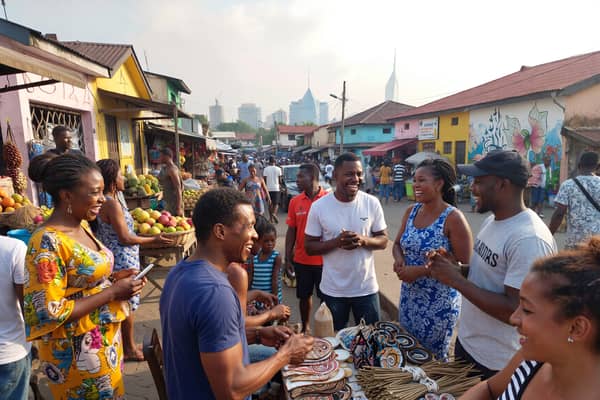
Walk through any Nigerian market, from Balogun in Lagos to Ariaria in Aba, and you’ll witness entrepreneurship in its purest form.
Nigerians are known globally for their business hustle. Aliko Dangote built Africa’s largest industrial conglomerate from scratch, now operating in 18 countries. Tony Elumelu’s Africapitalism philosophy has spawned 1,500+ businesses through his foundation’s ₦1.5 billion entrepreneurship programme.
But the real story isn’t just the billionaires. It’s the woman selling fried plantain who put three kids through university. It’s the young tech founder building payment solutions in a cramped Yaba office. It’s the fashion designer turning her Instagram account into a ₦50 million annual business.
I interviewed a trader in Onitsha who manages inventory across five West African countries using only WhatsApp and a basic smartphone. That’s Nigerian ingenuity: finding solutions with whatever tools are available, then scaling them.
The diaspora demonstrates this entrepreneurial spirit spectacularly. Nigerian Americans have founded companies worth billions of dollars. Nigerian immigrants in the UK launch businesses at rates far exceeding the native population. They don’t wait for perfect conditions. They create opportunities.
What are Nigerians Best Known For?
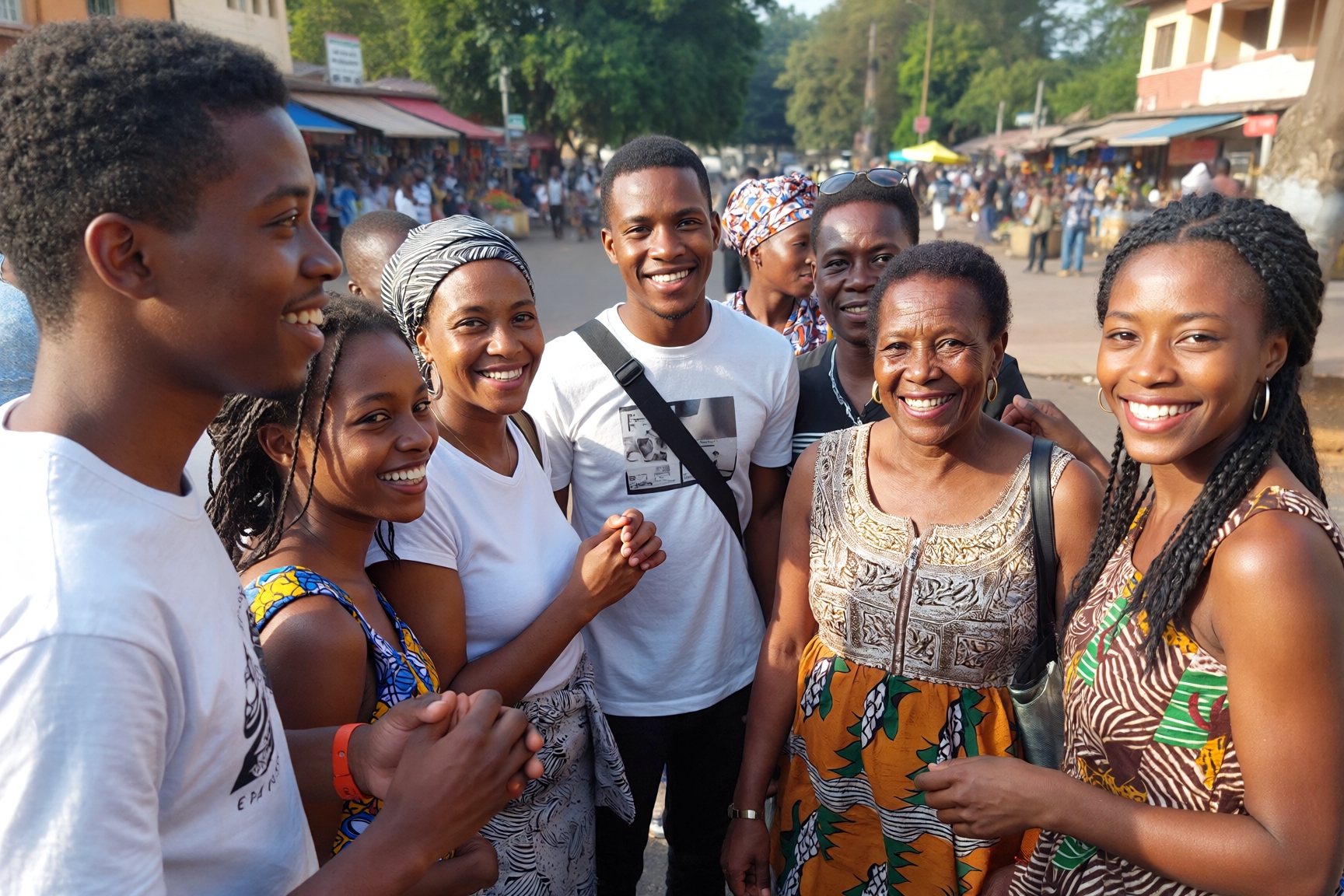
At the heart of Nigeria’s global reputation sits an undeniable truth: Nigerians are best known for their determination to succeed against considerable odds, their vibrant creative expressions that dominate African entertainment, and their warm, hospitable nature that welcomes strangers as family.
The question deserves a direct answer. Nigeria’s best-known qualities include: the Afrobeats music genre that’s reshaping global pop culture through artists like Wizkid, Burna Boy, and Davido; Nollywood’s prolific film output; acclaimed literature from Nobel laureates and bestselling authors; exceptional entrepreneurial drive whether in Lagos markets or Silicon Valley; rich culinary traditions centred around dishes like jollof rice, suya, and egusi soup; colourful fashion featuring ankara prints and traditional attire; strong emphasis on education with Nigerian immigrants consistently achieving high academic qualifications; warm hospitality and generous spirit; complex family and community bonds; and an infectious optimism that persists despite economic and political challenges.
Nigeria’s Global Cultural Contributions by Sector
| Sector | Key Achievements | Global Recognition | Economic Impact (Annual) |
|---|---|---|---|
| Music (Afrobeats) | Burna Boy Grammy win, Wizkid Madison Square Garden, Rema 1B+ Spotify streams | Top 10 global streaming genre | ₦380+ billion |
| Film (Nollywood) | 2,500+ films annually, Netflix deals, international distribution | World’s 2nd largest film industry by volume | ₦250+ billion |
| Literature | Nobel Prize (Soyinka), International bestsellers, TED Talks with 30M+ views | 50+ language translations | ₦45 billion |
| Technology | Fintech unicorns, payment solutions, e-commerce platforms | African tech hub status | ₦540+ billion |
| Fashion | Ankara global recognition, Lagos Fashion Week, international collaborations | Featured in Vogue, major fashion weeks | ₦160+ billion |
| Diaspora Excellence | Highest education rates among US immigrants, business founders, medical professionals | 61% hold bachelor’s degrees or higher | $800+ million remittances monthly |
Looking at this table, you can see how Nigeria’s cultural contributions translate into real economic power. These aren’t just feel-good stories about cultural pride. They represent hundreds of billions of naira in annual revenue, thousands of jobs, and Nigeria’s positioning as Africa’s cultural capital.
The table also reveals something crucial: Nigeria’s influence spans multiple sectors simultaneously. It’s not just music or just film. It’s a comprehensive cultural ecosystem where literature informs film, music shapes fashion, and entrepreneurial energy fuels technological innovation.
What are 5 Fun Facts About Nigeria?
Let me share some fascinating tidbits that often surprise people:
Nigeria is Africa’s most populous nation with over 230 million people, giving it tremendous cultural and economic influence across the continent. The country contains more linguistic diversity than most continents, with linguists cataloguing over 520 distinct languages still spoken today, ranging from Hausa and Yoruba with tens of millions of speakers to endangered languages spoken by just a few hundred people in remote communities.
Lagos ranks among the world’s fastest-growing megacities, with estimates suggesting it will become the planet’s third-largest city by 2100, surpassing Cairo and potentially rivalling Tokyo’s metropolitan population.
Nigeria’s football (soccer) passion borders on religious fervour. I’ve seen entire neighbourhoods shut down for World Cup matches. The Super Eagles have won the African Cup of Nations three times, and Nigerian players star in every major European league. Samuel Chukwueze at AC Milan, Victor Osimhen at Napoli, these players carry national pride onto international pitches every week.
The country produces an estimated 5 to 10 per cent of the world’s egusi seeds, the melon seeds that form the basis for one of West Africa’s most beloved soups. Egusi soup isn’t just food; it’s a cultural institution that transcends ethnic boundaries.
Here’s one that surprises many: Nigeria has more English speakers than the United Kingdom. Whilst not everyone’s first language, English serves as the official language, creating a population of confident English speakers that exceeds 100 million people.
Nigeria’s Rich Cultural Contributions Extend to Fashion and Traditional Attire
Nigerian fashion has experienced a remarkable renaissance over the past two decades, building on the country’s diverse cultural heritage.
Ankara fabric, with its vibrant patterns and bold colours, has evolved from traditional wear to high fashion. Lisa Folawiyo’s jewel-encrusted ankara pieces retail for thousands of pounds in London boutiques. Orange Culture’s designs blur gender lines whilst celebrating Nigerian aesthetics. Kenneth Ize showcased aso-oke weaving techniques on Paris Fashion Week runways.
I attended Lagos Fashion Week last year, and the energy was electric. Models strutted in pieces that cost anywhere from ₦85,000 for ready-to-wear to over ₦4 million for couture. International buyers from Selfridges, Harvey Nichols, and Bergdorf Goodman took notes whilst Nigerian designers held court.
But Nigerian fashion isn’t just about high-end luxury. Walk through Balogun Market on a Saturday morning, and you’ll find women selecting fabrics for traditional attire that costs ₦20,000 to ₦150,000, depending on the quality. These outfits, sewn by local tailors who learned their craft through apprenticeship, represent the living continuation of textile traditions stretching back centuries.
The Nigerian Tourism Development Authority promotes traditional fashion as a cultural asset, recognising that when Beyoncé wears Nigerian-designed pieces or Meghan Markle carries a Nigerian fashion brand’s handbag, it elevates the entire industry.
Men’s fashion deserves mention too. The agbada, with its flowing elegance and intricate embroidery, has become a symbol of African sophistication. I’ve watched grooms spend ₦500,000 on wedding agbadas, complete with matching caps and shoes, treating the outfit as an investment in cultural identity rather than mere clothing.
What are the 7 Core Values of Nigeria?
The National Cultural Policy formally identifies seven core values that define Nigerian society, though interpretations vary across the country’s diverse ethnic groups.
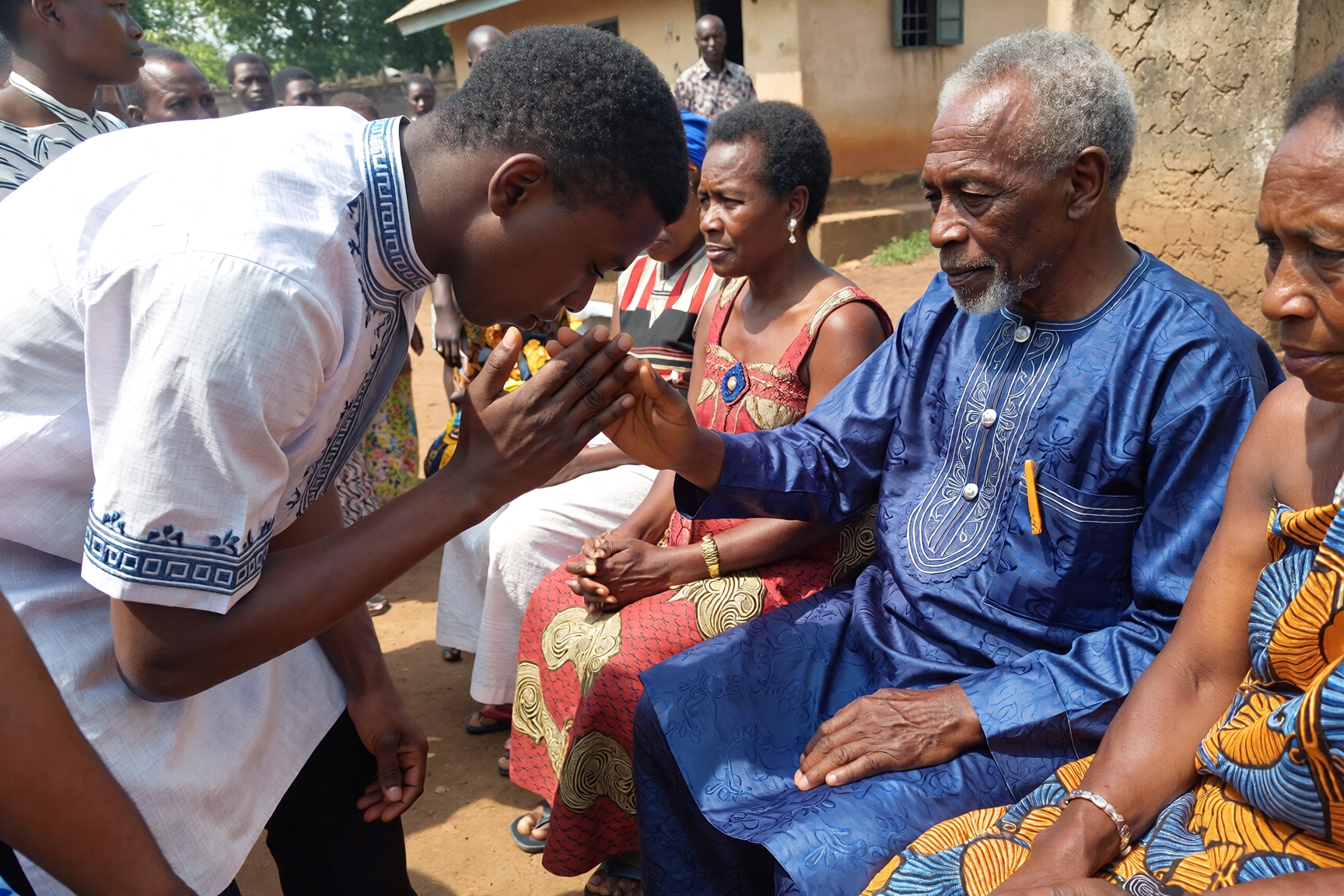
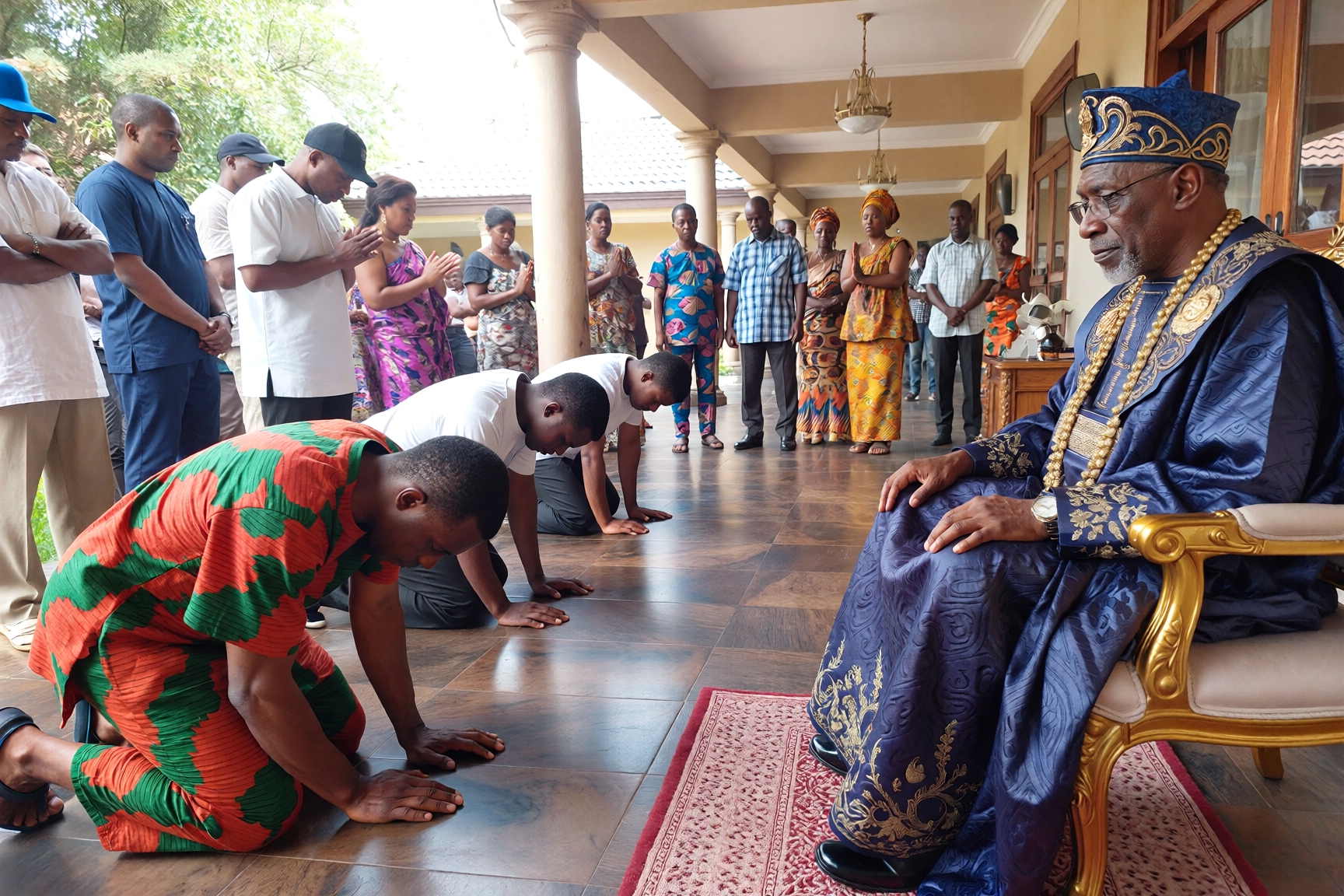
Respect for elders forms the foundation of Nigerian social structure. Children kneel or prostrate when greeting elders amongst the Yoruba. The Igbo address older people as “Nne” (mother) or “Nna” (father) regardless of actual relationship. This isn’t just politeness; it represents a worldview where accumulated years equal accumulated wisdom.
Hard work and perseverance define the Nigerian character. There’s a Yoruba proverb: “Ise l’ogun ise,” meaning work is the cure for poverty. Nigerians work multiple jobs, start businesses in impossibly challenging circumstances, and refuse to accept failure as final.
Hospitality reaches legendary status in Nigerian culture. I’ve arrived unannounced at homes and been fed within minutes. The host considers it shameful to let guests leave hungry. This generosity extends beyond food to accommodation, assistance, and genuine care for visitors’ wellbeing.
Education receives almost sacred status. Nigerian parents make tremendous sacrifices to school their children. The phrase “bush meat for the boys” references how parents deprive themselves to fund education. This value explains why Nigerian immigrants consistently achieve high academic qualifications abroad.
Strong family bonds shape decision-making and social structure. Extended family networks provide support systems that government services often lack. When someone succeeds, their extended family benefits. When someone struggles, the family rallies. This communalism has drawbacks, sure, but it creates safety nets that pure individualism cannot match.
Religious faith pervades Nigerian life, whether Christian or Muslim (with traditional beliefs still influencing both). Churches and mosques overflow on worship days. People attribute success to divine blessing and seek spiritual solutions to material problems. Religion shapes ethics, social networks, and daily routines.
Patriotism and national pride persist despite frustrations with governance. When “Arise, O Compatriots” plays, Nigerians stand. When the Super Eagles play, the nation stops. This pride doesn’t ignore problems but rather reflects hope that Nigeria will fulfil its potential as the Giant of Africa.
7 Steps for Understanding What Makes Nigerians Exceptional
Let me share a practical guide for truly appreciating Nigerian contributions to global culture:
1. Experience the Entertainment Ecosystem Holistically
Don’t just stream one Afrobeats song on Spotify. Create a playlist featuring Burna Boy, Wizkid, Tems, Ayra Starr, Rema, and Asake. Watch their music videos. Notice how they blend traditional instruments with modern production. Download Nollywood films on Netflix: start with “The Wedding Party” for comedy, “King of Boys” for drama, and “Lionheart” for family viewing. Read Chimamanda Ngozi Adichie’s “Americanah” to understand how Nigerian writers capture both Nigerian and global experiences. This multi-medium approach reveals how Nigerian creativity spans platforms whilst maintaining cultural authenticity. Budget around ₦5,000 monthly for streaming services and occasional cinema tickets to stay current with new releases.
2. Engage with Nigerian Cuisine Beyond the Basics
Yes, try jollof rice, but don’t stop there. Seek out Nigerian restaurants serving regional specialities: pounded yam with egusi soup, suya with spicy pepper sauce, pepper soup that clears your sinuses, or fried plantain with beans. If you’re cooking at home, Nigerian ingredients cost approximately ₦15,000 to ₦25,000 for a substantial grocery haul at markets like Balogun or online through African food shops. Learn the cultural contexts: jollof rice represents celebration, fufu signifies sustenance, suya embodies street food culture. Food isn’t just nutrition in Nigerian culture. It’s community, celebration, and heritage on a plate.
3. Study Nigerian Business Philosophy and Entrepreneurship
Research successful Nigerian entrepreneurs like Aliko Dangote, Folorunsho Alakija, Tony Elumelu, Jim Ovia, and younger tech founders like Olugbenga Agboola (Flutterwave) and Shola Akinlade (Paystack). Notice common patterns: starting with limited resources, solving local problems, scaling across Africa, maintaining Nigerian identity whilst operating globally. Read Tony Elumelu’s essays on Africapitalism. Follow Nigerian business news through publications like Business Day Nigeria and Nairametrics. Understanding Nigerian business philosophy reveals how economic challenges breed innovative solutions. The famous Nigerian hustle isn’t desperation; it’s strategic opportunism combined with relentless execution.
4. Appreciate the Educational Achievement and Diaspora Excellence
Examine statistics showing 61 per cent of Nigerian Americans hold bachelor’s degrees or higher, far exceeding the US national average. Research Nigerian professionals in medicine, law, engineering, and academia globally. This success stems from cultural values emphasising education combined with selection bias (often only the most ambitious Nigerians migrate). Importantly, recognise how diaspora success reinforces positive Nigerian identity whilst also highlighting how brain drain costs Nigeria talent it desperately needs. The tension between individual opportunity and collective benefit defines modern Nigerian experience.
5. Explore Regional and Ethnic Diversity Within Nigeria
Nigeria isn’t monolithic. Spend time understanding differences between Yoruba, Igbo, Hausa-Fulani, Ijaw, Kanuri, Tiv, and hundreds of other ethnic groups. Each has distinct languages, customs, traditional governance, and cultural practices. The Yoruba aso-oke weaving differs dramatically from Igbo george wrappers. Hausa-Fulani architecture in Kano looks nothing like Igbo compounds in Enugu. This diversity represents both Nigeria’s strength (rich cultural resources) and its challenge (managing competing identities within one nation-state). Understanding this complexity prevents oversimplified generalisations about “Nigerian culture.”
6. Engage with Nigerian Social Media and Digital Culture
Nigerians dominate African social media with humour, commentary, and trends that spread globally. Follow Nigerian Twitter (now X), Instagram influencers, and TikTok creators. Notice how Nigerian internet culture blends English with pidgin, incorporates local references, and creates viral content that transcends borders. The famous Nigerian Twitter sense of humour, sharp political commentary, and creative meme-making reflect broader cultural characteristics: verbal dexterity, social awareness, and ability to find humour in difficult circumstances. Engaging with this digital culture reveals contemporary Nigerian identity beyond traditional stereotypes.
7. Support Nigerian Creative Industries Financially
Move beyond passive consumption to active support. Purchase books from Nigerian authors through reputable bookshops. Subscribe to Nigerian streaming platforms like Showmax when they feature Nollywood content. Buy authentic Nigerian fashion from legitimate designers rather than knock-offs. Stream music through platforms that compensate artists properly. Attend Nigerian cultural events, concerts, and film screenings in your area. This financial support, even in small amounts, sustains the creative economy that produces the culture we admire. Authentic Nigerian ankara fabric costs ₦3,500 to ₦15,000 per yard from Nigerian sellers; paying these prices rather than buying cheap imitations supports actual Nigerian businesses.
What is Nigeria Popularly Known As?
Nigeria carries several nicknames that reflect different aspects of its identity.
The most common is “Giant of Africa,” a title referencing Nigeria’s status as the continent’s most populous nation and largest economy. This nickname appears in official speeches, media coverage, and everyday conversation. It represents both achievement and aspiration: Nigeria has the demographic and economic weight to be Africa’s giant, but whether it fulfils that potential remains an ongoing question.
“Naija” serves as the affectionate informal nickname Nigerians use amongst themselves. You’ll hear it constantly: “I’m going back to Naija next month,” or “Naija no dey carry last” (Nigeria never comes last). The term conveys familiarity and pride, like calling your country by a pet name only family members use.
“Land of the Rising Sun” appeared on Nigeria’s original coat of arms, though this nickname has faded from common usage. It symbolised hope and new beginnings during independence in 1960.
Sports fans sometimes call Nigeria the “Super Eagles” after the national football team, conflating country with its most visible sporting ambassadors. When the Super Eagles play, Nigeria plays.
More recently, “Tech Hub of Africa” has gained traction, reflecting Lagos’s emergence as a fintech and startup centre. With four tech unicorns (Flutterwave, Interswitch, Jumia, and OPay) valued over $1 billion each, Nigeria’s technology sector justifies this new nickname.
I find “Giant of Africa” most meaningful because it captures both reality and responsibility. Nigeria’s 230 million people, vast oil resources, creative industries, and regional influence make it Africa’s giant by default. The question isn’t whether Nigeria is the giant, but whether it will use that size to build prosperity or simply cast a large shadow.
Understanding What Nigerians are Celebrated For and Contemporary Cultural Influence
Nigeria’s 2025 cultural dominance spans multiple continents and platforms.
Afrobeats artists now headline festivals from Coachella to Glastonbury. Burna Boy’s 2024 tour sold over 500,000 tickets across Europe and North America. Tems collaborations appear on soundtracks for major Hollywood films. The genre’s influence has become so widespread that pop stars like Ed Sheeran, Justin Bieber, and Drake actively seek Nigerian artist collaborations to access Afrobeats’ global appeal.
Nollywood’s evolution continues. High-budget productions like “Jagun Jagun” on Netflix demonstrate technical sophistication matching international standards. The entertainment sector’s growth in 2025 reflects increased investment, improved production values, and stories that resonate globally whilst remaining authentically Nigerian.
Technology represents Nigeria’s newest cultural export. Nigerian-founded fintech companies now process transactions across 30+ countries. Flutterwave’s valuation exceeds $3 billion. These aren’t just business success stories; they represent Nigerian problem-solving exported globally. Payment solutions developed for Nigeria’s fragmented banking sector work equally well in other emerging markets.
Fashion continues expanding its reach. Nigerian designers collaborate with international luxury brands. Ankara patterns appear in collections from Gucci to Stella McCartney. When Rihanna wore Nigerian designer Taofeek Abijako to the Met Gala, it represented mainstream recognition of Nigerian fashion as globally relevant rather than ethnically exotic.
I attended a conference in Singapore where three of seven speakers wore ankara-patterned accessories. That’s what cultural influence looks like: Nigerian aesthetics becoming part of global vocabulary rather than remaining confined to “African” categories.
The broader cultural trends shaping Nigeria’s influence demonstrate how the country’s creative output continues evolving whilst maintaining cultural authenticity that resonates globally.
Connections Across My Articles
If you’re interested in exploring Nigeria’s cultural landscape further, I’ve written extensively about related topics that provide additional context and depth.
My piece on Nigeria’s rich food culture explores how culinary traditions reflect the broader values and diversity I’ve discussed here. Understanding what Nigerians are known for globally becomes richer when you appreciate how food serves as both cultural glue binding communities and cultural export demonstrating Nigeria’s influence. The article details regional variations in cooking, the social significance of shared meals, and how Nigerian restaurants worldwide serve as cultural ambassadors.
Additionally, my article examining whether Nigeria is famous for anything provides a complementary perspective, digging into the historical development of Nigeria’s global reputation and how perceptions have shifted over decades. It addresses common stereotypes whilst highlighting genuine achievements, offering a more nuanced understanding of how Nigeria became known internationally and what that fame means for average Nigerians navigating global spaces.
These pieces work together to paint a comprehensive portrait of Nigerian cultural identity, global influence, and the lived experience of Nigerians both at home and abroad. They’re written from my perspective as someone who’s spent years reporting on Nigerian society, interviewing its people, and witnessing its transformation firsthand.
Final Thoughts on What Makes Nigerians Known Globally
After months of research and years of personal experience, I’ve concluded that Nigerians are ultimately known for their refusal to be defined by circumstances.
This is a people who’ve built world-class entertainment industries despite unreliable electricity. Who’ve created literary masterpieces despite limited publishing infrastructure. Who’ve launched billion-dollar tech companies despite financial system inefficiencies. Who maintain warm hospitality despite economic hardship.
The Nigerian spirit, as clichéd as that phrase sounds, represents something genuine: an infectious optimism combined with practical hustle that turns obstacles into opportunities. It’s the Lagos trader who speaks four languages whilst managing inventory across three countries using a basic smartphone. It’s the Nollywood producer who shoots an entire feature film in two weeks because that’s all the budget allows. It’s the young programmer in Yaba who builds payment solutions that multinational corporations end up licensing.
Nigeria’s global reputation rests on achievements across entertainment, literature, business, and technology, but also on something less tangible: the Nigerian character itself. That blend of confidence and hustle, pride and humour, tradition and innovation that makes Nigerians distinctive wherever they go.
Looking ahead, Nigeria’s influence will likely grow. Demographics favour continued expansion: the population under 30 exceeds 120 million people, creating an enormous talent pool. Investment in creative industries continues increasing. Global appetite for African content shows no signs of slowing.
But Nigeria’s greatest contribution might be simply showing the world that Africa can compete culturally, economically, and intellectually on every global stage. When Chimamanda Adichie delivers a TED Talk watched by 30 million people, or when Wizkid headlines Madison Square Garden, or when Flutterwave processes billions in transactions, they’re not just individual successes. They’re proof points for African potential.
So what are Nigerians known for? They’re known for being undeniably, unapologetically themselves whilst reshaping global culture in the process. They’re known for making the world take notice. And they’re just getting started.
Key Takeaways:
- Nigerians have established global dominance in entertainment through Nollywood and Afrobeats, generating over ₦630 billion annually whilst reshaping how Africa is portrayed culturally.
- Nigerian entrepreneurial spirit spans from street traders to tech unicorns, with innovative business solutions developed locally now applied globally across emerging markets.
- Cultural values emphasising education, family, hospitality, and perseverance create consistent patterns of Nigerian success domestically and in diaspora communities worldwide.
Frequently Asked Questions: What are Nigerians Known For?
What are Nigerians Best Known for Globally? Nigerians are best known for their entertainment industry contributions, particularly Nollywood films and Afrobeats music that dominate African cultural production and increasingly influence global entertainment. They’re also recognised for literary achievements with Nobel laureates and bestselling authors, entrepreneurial spirit that thrives despite economic challenges, warm hospitality that welcomes strangers as family, and high educational achievement particularly visible in diaspora communities where Nigerian immigrants consistently rank among the most educated groups.
What Makes Nigerian Music So Popular Internationally? Nigerian music, particularly Afrobeats, succeeds internationally because it combines infectious rhythms rooted in traditional African percussion with contemporary production techniques and global genre influences from hip-hop to R&B, creating sounds that feel both familiar and fresh. The genre’s success also reflects strategic artist collaborations with international stars, heavy investment in high-quality music videos that showcase Nigerian creativity, social media promotion that spreads songs virally, and authentic storytelling that resonates across cultural boundaries whilst maintaining distinctly Nigerian identity and attitude.
Why Do Nigerian Authors Have Such Global Influence? Nigerian authors wield global influence because they tell universal human stories through specifically African lenses, challenging Western narrative dominance whilst maintaining literary excellence that critics worldwide recognise. Writers like Chinua Achebe redefined how African stories could be told, Wole Soyinka brought African theatrical traditions to global stages, and Chimamanda Ngozi Adichie addresses feminism, race, and identity in ways that resonate across continents. Their success proves that specificity breeds universality: deeply Nigerian stories touch readers everywhere precisely because they’re authentically rooted rather than generically global.
What are Nigeria’s Seven Core Values? Nigeria’s seven core values, as defined in the National Cultural Policy, include respect for elders and authority figures which shapes social interactions across all ethnic groups, hard work and perseverance that drives the famous Nigerian hustle, hospitality and generosity even amid personal hardship, strong emphasis on education as pathway to advancement, deep family and community bonds that create mutual support systems, religious faith that influences ethics and social structures, and patriotic national pride despite frustrations with governance. These values manifest differently across Nigeria’s diverse ethnic groups but form common threads in Nigerian identity.
How Did Nollywood Become So Successful? Nollywood succeeded by producing films cheaply and quickly using video technology rather than expensive film stock, allowing producers to create content directly for home video markets without requiring cinema infrastructure. The industry tells authentically Nigerian stories that resonate locally without attempting to appeal to Western audiences, features recognisable cultural contexts from language to social situations, operates on entrepreneurial rather than studio system models allowing rapid adaptation to market demands, and benefits from enormous domestic population providing sustainable audience base before international distribution. Success bred investment which improved production quality whilst maintaining authentic storytelling that distinguishes Nollywood from Hollywood formulae.
What Makes Nigerian Entrepreneurship Distinctive? Nigerian entrepreneurship distinguishes itself through necessity-driven innovation where unreliable infrastructure and limited capital force creative problem-solving, hustle culture that embraces multiple income streams and treats obstacles as solvable challenges rather than barriers, informal economy expertise developed in markets from Balogun to Ariaria where traders manage complex supply chains without formal business education, risk tolerance born from economic volatility that makes entrepreneurship seem no riskier than employment, and strong networks across ethnic and religious lines that facilitate business connections, partnerships, and access to informal capital when banks prove unwilling or unable to lend.
Why Do Nigerians Achieve High Education Levels Abroad? Nigerians achieve exceptional educational outcomes abroad because cultural values place tremendous emphasis on education as family advancement strategy, creating enormous pressure to succeed academically and justify family sacrifices. Selection bias plays a role: Nigerians who manage to emigrate often represent the most ambitious and educated segment of Nigerian society already. Additionally, Nigerian students develop strong work ethics from navigating challenging educational systems at home, face high expectations from family and community who’ve invested in their education, and view academic achievement as essential pathway to professional opportunities and financial security that benefit extended family networks back home.
What is Nigerian Hospitality and How is it Expressed? Nigerian hospitality expresses itself through generous feeding of guests where hosts consider it shameful to let visitors leave hungry, immediate offers of accommodation to travellers even those arriving unannounced, genuine interest in guest comfort and welfare extending beyond surface politeness, sharing of resources even when hosts themselves face scarcity, and warm welcomes that treat strangers as potential family rather than suspicious outsiders. This hospitality crosses ethnic and religious boundaries, reflecting cultural values that prioritise community bonds and collective responsibility over pure individualism, creating social fabric that provides support systems government services often lack.
How Does Nigerian Fashion Influence Global Trends? Nigerian fashion influences global trends through ankara fabric patterns that major international designers now incorporate into collections, traditional garments like agbada and gele that appear on international runways and red carpets, Nigerian designers collaborating with luxury brands and showcasing at major fashion weeks from Paris to New York, celebrity endorsements where stars like Beyoncé and Rihanna wear Nigerian-designed pieces to high-profile events, and social media promotion particularly Instagram where Nigerian fashion influencers showcase styling that blends traditional elements with contemporary aesthetics. The influence demonstrates how African fashion moves from ethnic category to mainstream inspiration.
What Role Does Religion Play in Nigerian Society? Religion pervades Nigerian society through shaping ethical frameworks and moral decision-making across communities, providing social networks and support systems particularly through churches and mosques that offer services governments lack, influencing political affiliations and voting patterns especially in northern regions, creating cultural calendars around Christian and Muslim holidays that affect business operations and social life, offering explanatory frameworks where people attribute success to divine blessing and seek spiritual solutions to material problems, and occasionally generating tensions between religious communities though interfaith cooperation also flourishes in many areas despite media focus on conflicts.
Why is Nigerian Literature So Widely Studied? Nigerian literature receives widespread academic attention because it fundamentally challenged colonial narratives through works like Chinua Achebe’s “Things Fall Apart” that presented African perspectives rather than accepting European interpretations of African history. Nigerian authors pioneered techniques blending African oral traditions with Western literary forms, created memorable characters and stories that resonate universally whilst remaining culturally specific, addressed postcolonial themes of identity, modernisation, and cultural conflict that interest scholars worldwide, and achieved literary excellence recognised through Nobel Prizes and international awards that validated African writing as worthy of serious academic study rather than merely anthropological curiosity.
How Do Nigerians Maintain Identity While Living Abroad? Nigerians abroad maintain identity through active participation in Nigerian associations and cultural organisations that preserve traditions and language, regular travel home to attend family events and maintain physical connections, consumption of Nigerian entertainment from Nollywood films to Afrobeats music that keeps them connected to contemporary culture, preparation and sharing of Nigerian food that recreates sensory connections to home, teaching children Nigerian languages and customs to ensure generational continuity, following Nigerian news and current events to stay informed about homeland developments, and maintaining strong communication with family through social media and messaging apps. Diaspora Nigerians often become more consciously Nigerian abroad than they were at home, as external perspective clarifies what being Nigerian means.