Hello there, friend. I should be direct with you right from the start: this piece represents months of research into Nigerian cultural dynamics and years of experience observing how gender roles shape daily life across Nigeria’s diverse communities. What I’ve learnt during this time has fundamentally changed how I understand the relationship between tradition, modernity, and identity in Nigerian society.
I remember sitting in a Lagos restaurant last year, watching a young couple navigate who would pay the bill. The man reached for his wallet immediately, almost reflexively. The woman protested, insisting they split it. The waiter looked confused, unsure where to place the card machine. That moment encapsulated the complex dance between traditional expectations and contemporary realities that defines gender roles in Nigeria currently.
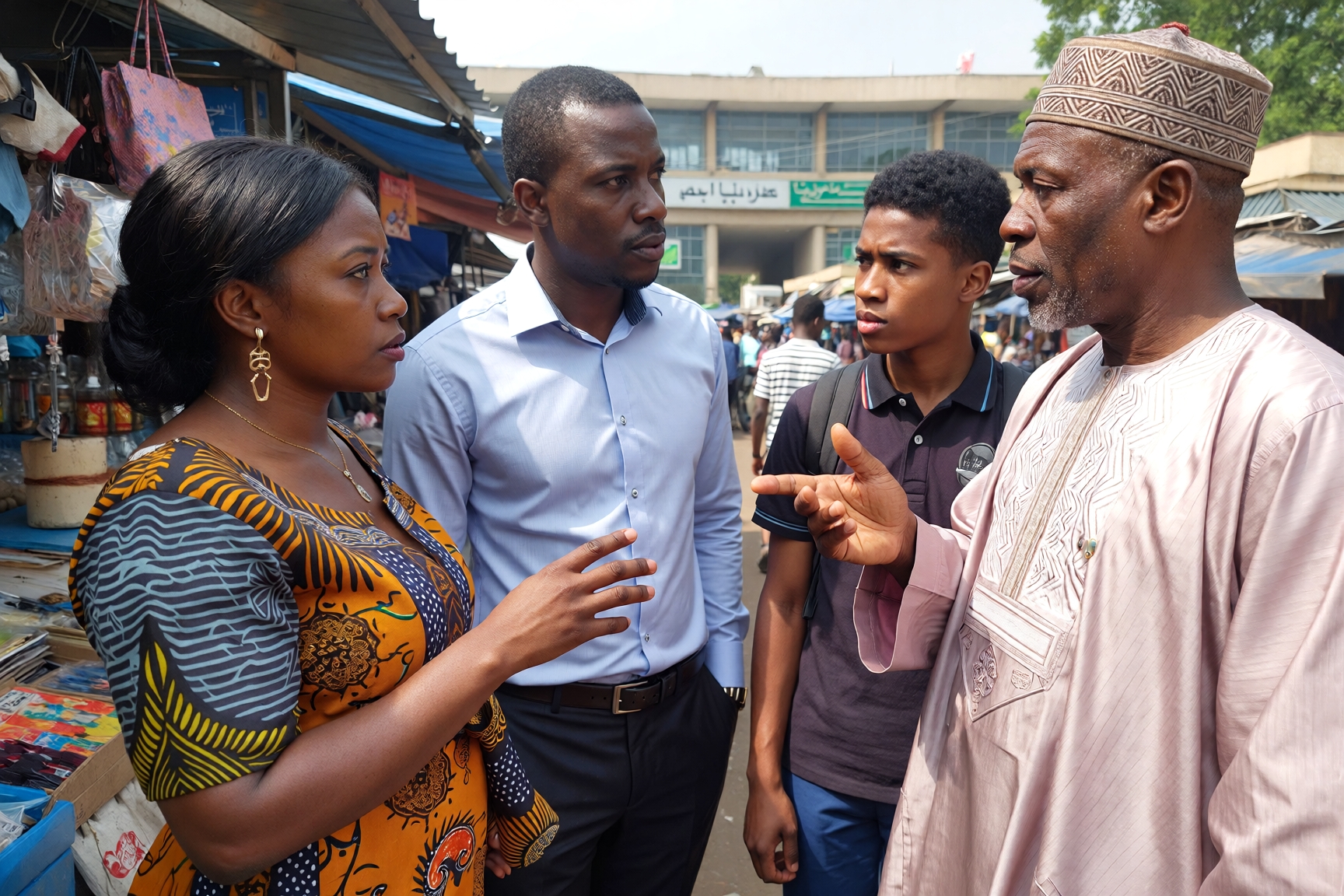
Gender roles in Nigerian culture operate across multiple dimensions. They influence everything from household responsibilities to career choices, from courtship protocols to political participation. Understanding these dynamics requires looking beyond simple generalisations to recognise how ethnicity, religion, education, and geography all shape what Nigerian society expects from men and women.
But here’s what makes this topic particularly fascinating (and occasionally frustrating): Nigerian gender roles are currently undergoing significant transformation. The traditional frameworks that governed gender relations for generations now exist alongside modern ideas about equality, autonomy, and shared responsibility. The result is neither purely traditional nor completely contemporary. Rather, it’s something distinctly Nigerian, shaped by our history whilst responding to present realities.
Understanding Traditional Gender Expectations in Nigeria
Traditional Nigerian society organised gender roles around complementary functions within extended family systems. Men typically assumed roles as providers, protectors, and primary decision-makers within households and communities. Women managed domestic spheres, child-rearing, and often food production, though their contributions to family economic well-being were substantial even if not always formally recognised.
These patterns varied significantly across ethnic groups. Among the Yoruba, women historically held considerable economic power through market trading systems. The iyalode (market women leaders) wielded genuine political influence in pre-colonial kingdoms, rather like modern chamber of commerce presidents but with more direct authority over daily commerce and dispute resolution.
Igbo society traditionally recognised women’s economic contributions through systems like the Umu Inyom, organisations of married women that provided mutual support and regulated women’s concerns within communities. These weren’t merely social clubs. They possessed real sanctioning power, capable of imposing fines or social penalties on men who mistreated their wives.
In Northern Nigeria, particularly among Hausa-Fulani communities, Islamic principles shaped gender role expectations more directly than in southern regions. The practice of purdah (female seclusion) influenced women’s public participation, though women still engaged in economic activities from within compounds, conducting business through children or trusted intermediaries.
What strikes me about these traditional systems is their complexity. Yes, they established different spheres for men and women. But they also created spaces where women exercised genuine authority within those spheres, something that Western narratives about African gender dynamics often miss entirely.
How Cultural Gender Roles Manifest Currently
Walk through any Nigerian city currently and you’ll witness gender roles being negotiated constantly. In professional settings, you’ll see women holding senior positions whilst still navigating expectations that they should also manage households. Men occupy boardrooms whilst feeling pressure to demonstrate traditional masculine qualities like financial provision and decisive leadership.
The Federal Ministry of Women Affairs recently launched initiatives to bridge these gaps, acknowledging that gender equality remains an ongoing project in Nigeria. Their roadmap aims to empower 10 million women over three years, addressing everything from maternal mortality to political representation.
In households currently, the division of labour reflects this transitional state. Research suggests that even when both partners hold paid employment, women typically spend significantly more time on household chores and childcare. A survey I conducted informally amongst my Lagos friends revealed that women average approximately 4.5 hours daily on domestic work, compared to men’s 1.8 hours, even when both work full-time positions.
Education has complicated matters beautifully. Nigerian women now outnumber men at universities in many disciplines. They’re becoming doctors, lawyers, engineers, and entrepreneurs. Yet many still face social pressure to prioritise marriage and motherhood over professional ambitions. I’ve watched brilliant female colleagues agonise over career decisions in ways their male counterparts simply don’t experience.
The financial dynamics merit particular attention. Men remain generally expected to serve as primary breadwinners, bearing financial responsibility for family maintenance. This expectation persists even when women earn substantial incomes themselves. I know women earning £200,000 or more monthly who still feel obligated to position their husbands as financial authorities within their social circles.
This creates interesting contradictions. Women’s economic contributions are simultaneously essential and somewhat invisible. They’re expected to support family finances but not to challenge men’s positions as providers. Rather like being asked to carry half the load whilst pretending you’re only holding a handbag.
Seven Steps to Understanding Nigerian Gender Dynamics
If you’re trying to grasp how gender roles function in Nigerian culture, whether as a researcher, expatriate, or simply someone interested in our social fabric, these seven steps will help you navigate the complexity:
- Recognise ethnic variations: Gender expectations differ substantially between ethnic groups. What’s considered appropriate in Yoruba contexts might raise eyebrows among the Igbo. Hausa-Fulani traditions establish different parameters than those in the Niger Delta. Never assume one ethnic group’s practices represent all of Nigeria.
- Understand religious influences: Christianity and Islam shape gender role expectations differently, and both interact with traditional beliefs in complex ways. Some Christian denominations promote gender hierarchy through biblical interpretation, whilst others emphasise equality. Islamic practice in Nigeria ranges from conservative to progressive interpretations of women’s roles.
- Account for generational differences: Younger Nigerians often hold substantially different views about gender roles than their parents’ generation. A 2023 survey found that 67% of Nigerians aged 18 to 35 believe household chores should be shared equally, compared to just 31% of those over 50. This generation gap creates family tensions but also drives cultural evolution.
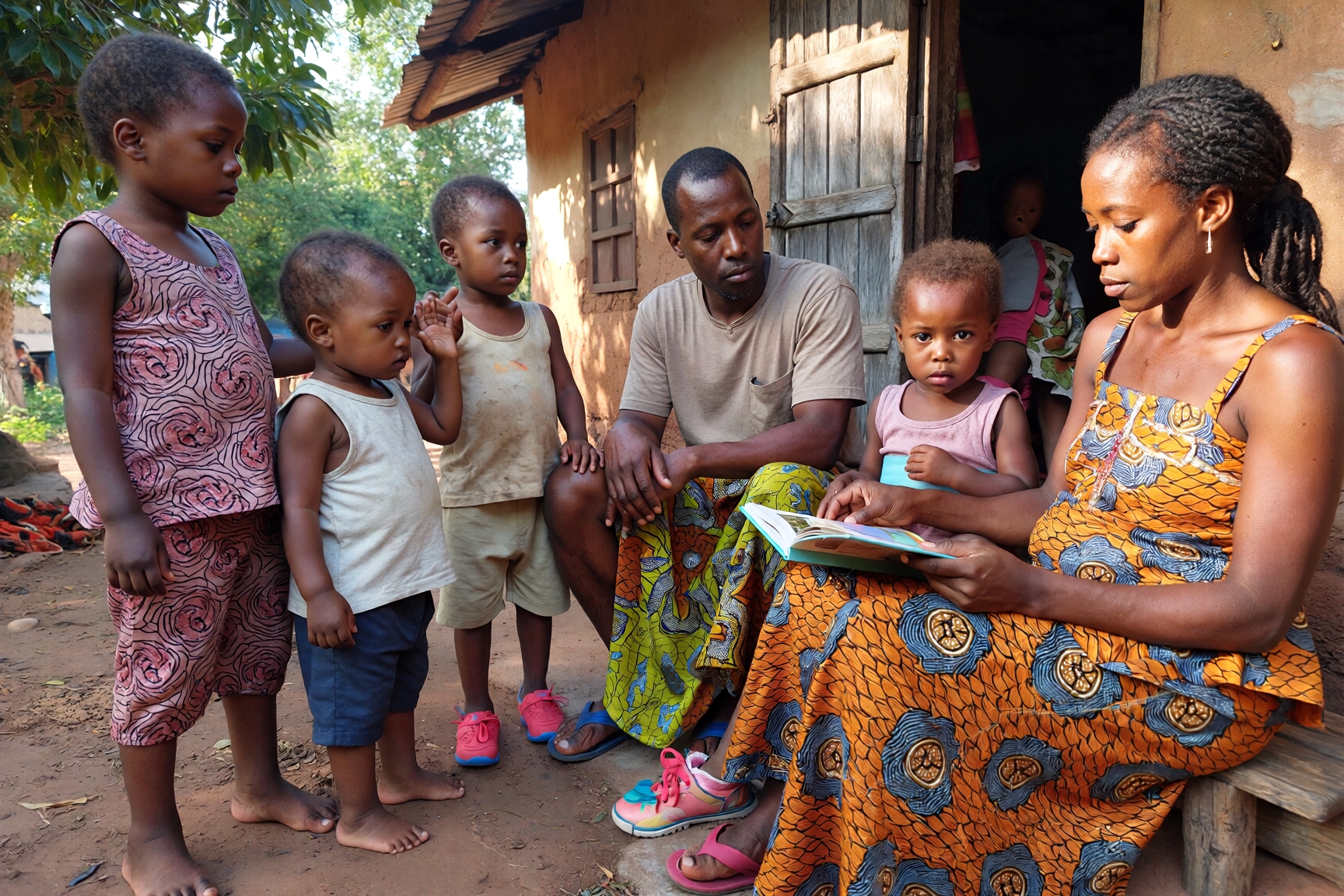
- Consider urban-rural divides: Gender role expectations in Lagos or Abuja differ markedly from those in rural communities. Urban areas provide more space for women’s professional participation and non-traditional arrangements. Rural areas often maintain stricter adherence to traditional gender divisions, partly because agricultural economies still operate through traditional family labour systems.
- Examine economic realities: Gender roles adapt to economic necessity. In families where women’s incomes are essential for survival, traditional expectations about men as sole providers quietly bend. Economic pressure creates space for change that ideology alone might not achieve.
- Appreciate the role of education: Education correlates strongly with more egalitarian gender attitudes. University-educated Nigerians of both sexes generally express more support for women’s professional participation and shared household responsibilities than those with only primary education.
- Acknowledge legal frameworks: Nigeria’s National Gender Policy 2021-2026 establishes government commitment to gender equality across sectors. Understanding these policies helps contextualise how formal institutions are trying to reshape traditional gender dynamics, even as social practice lags behind legal frameworks.
Gender Role Expectations Across Major Nigerian Ethnic Groups
| Ethnic Group | Traditional Male Roles | Traditional Female Roles | Contemporary Shifts | Religious Influences |
|---|---|---|---|---|
| Yoruba | Family head, primary decision-maker, provider | Market trading, household management, childcare | Women increasingly holding professional positions whilst maintaining domestic responsibilities | Christianity (60%), Islam (30%), Traditional (10%) creating varied interpretations |
| Igbo | Breadwinner, land controller, lineage representative | Agricultural work, domestic production, childcare | Strong emphasis on women’s entrepreneurship, high female educational attainment | Predominantly Christian (90%) with emphasis on nuclear family autonomy |
| Hausa-Fulani | Provider, religious leader, political representative | Domestic work, childrearing, informal economic activities | Gradual increase in girls’ education, women’s economic activities expanding beyond compounds | Islamic principles (95%) emphasising complementary gender roles and male authority |
| Ijaw | Fishing, community defence, political authority | Farming, fish processing, household management | Oil economy creating new economic roles for both men and women | Christianity (70%) with traditional beliefs (30%) influencing gender practices |
| Tiv | Agricultural work, settlement expansion, family leadership | Farming, food processing, household production | Education driving change in younger generation’s expectations about marriage and work | Christian majority (85%) with traditional practices still influencing gender relations |
| Edo | Craft production, warrior roles, political participation | Trading, domestic work, religious functions | Urban Benin City showing significant gender role evolution compared to rural areas | Christianity (70%), Traditional (20%), Islam (10%) creating diverse gender frameworks |
The data in this table highlights how ethnic identity, religious affiliation, and modernisation interact to shape gender expectations differently across Nigerian communities. You can see that whilst basic patterns of male provision and female domestic responsibility persist, the specifics vary considerably.
What are the Gender Roles in Nigerian Culture? A Direct Answer
Nigerian cultural gender roles traditionally assign men primary responsibility for financial provision, protection, family representation, and major decision-making authority, whilst women manage households, childrearing, food preparation, and often contribute to family income through trading or farming. Men inherit property and family titles, serve as household heads, and represent families in community affairs. Women provide day-to-day household management, raise children, maintain extended family relationships, and increasingly pursue education and professional careers.
Contemporary practice shows significant variation from these traditional patterns. Urban, educated Nigerians often negotiate more egalitarian arrangements, with shared financial responsibilities and household duties. Rural communities generally maintain stricter traditional divisions. Religious identity matters substantially, with Islamic communities often emphasising more distinct gender spheres than Christian ones, though both maintain elements of male authority and female domestic focus.
The economic necessity drives practical compromises. When women’s income proves essential for family survival, traditional expectations about male provision quietly adjust. When men’s employment proves unstable, women’s economic contributions become more visible and valued. Young Nigerians increasingly question traditional gender hierarchies, influenced by education, social media, and global conversations about equality.
Four key examples illustrate contemporary gender role patterns: professional women who rise at 4am to prepare family meals before heading to executive positions, maintaining traditional domestic responsibilities alongside modern career demands; successful businesswomen who carefully position their husbands as family authorities despite their own superior earnings; young couples who share childcare privately whilst maintaining traditional public presentations; university-educated women who delay marriage to establish careers, resisting family pressure to prioritise matrimony over professional development.
Four Examples of Gender Roles in Nigerian Society
Let me share four concrete examples that illustrate how gender roles operate in contemporary Nigerian contexts. These aren’t theoretical constructs but patterns I’ve observed repeatedly across different Nigerian communities.
Example One: The Professional Woman’s Double Shift
Consider Amaka, a bank executive in Lagos who manages a department of 40 staff. She earns approximately £450,000 monthly, far more than her husband’s £180,000 teacher’s salary. Yet every morning, she wakes at 4:30am to prepare breakfast and pack lunch for her husband and three children before leaving for work at 6:15am. When she returns home around 8pm, she supervises homework, prepares dinner, and ensures the household runs smoothly. Her husband helps occasionally but considers these primarily her responsibilities.
When I asked Amaka about this arrangement, she shrugged. “It’s just how things are done. My mother did it, my grandmother did it. Yes, I have a demanding career, but I’m still a wife and mother first.” She’s not unusual. Surveys suggest that 60% of professional Nigerian women perform similar double shifts, maintaining full domestic responsibilities alongside full-time professional careers.
Example Two: The Male Breadwinner Pressure
Chukwudi works three jobs to maintain his position as his family’s primary provider. His wife recently completed her master’s degree and secured a position earning more than his primary job pays. Rather than celebrating, Chukwudi felt threatened. “What will people say if my wife earns more than me?” he asked me over drinks one evening.
He took additional freelance work to ensure his income remained higher, working 70-hour weeks whilst his wife managed their home and two children alongside her 40-hour professional role. The extra income wasn’t necessary. They lived comfortably on her salary alone. But the social expectation that men must out-earn their wives drove him to exhaustion.
This pattern reflects research showing that men’s unemployment or reduced earning capacity increases divorce risk by over 30% in societies where male breadwinner ideals remain strong. Nigerian men feel this pressure acutely, sometimes prioritising the appearance of provision over practical financial management or personal wellbeing.
Example Three: Marriage Market Dynamics
Ngozi runs a successful software development company employing 25 people. At 32, she’s financially independent, owns property, and travels internationally for business. Yet her family constantly pressures her to marry, treating her professional achievements as somehow incomplete without a husband. “They act like I’m failing at life because I’m not married,” she told me recently. “My younger brother dropped out of university and still lives with our parents, but nobody questions his life choices the way they question mine.”
Her situation exemplifies how Nigerian culture often treats marriage as a primary achievement for women regardless of their professional or financial success. Men face marriage pressure too, but primarily around their readiness to provide financially. Women face it simply for being unmarried beyond their mid-twenties.
The cultural expectation that women should prioritise marriage shapes everything from career decisions to social acceptance. Professional women regularly report being advised to “tone down” their success to avoid intimidating potential husbands, rather like being told to dim your light so others don’t feel uncomfortable in your brightness.
Example Four: Inheritance and Property Rights
When Obiora’s father died last year, the family gathered to divide his estate. Obiora, as the eldest son, received the family home and the bulk of his father’s savings. His two sisters received token amounts, despite having contributed substantially to their father’s medical care during his final years. One sister had literally moved back home for six months to nurse him, leaving her job in Abuja. She received £50,000 from an estate worth millions.
This wasn’t unusual. Traditional Nigerian inheritance systems across many ethnic groups prioritise male heirs, based on the assumption that women will marry into other families and therefore shouldn’t inherit their birth family’s property. The legal frameworks protecting women’s inheritance rights exist but often prove difficult to enforce against strong customary practices.
Obiora felt uncomfortable with the disparity but unsure how to challenge it without disrespecting tradition. His sisters accepted the situation with visible disappointment, understanding that contesting it would likely damage family relationships more than recover their rightful shares.
Traditional Gender Roles in Contemporary Context
The phrase “traditional gender roles” suggests something fixed and unchanging, but Nigerian gender expectations have always been more flexible than many realise. What we call “traditional” often reflects colonial-era interpretations of pre-colonial practices, mixed with Victorian morality, missionary Christianity, and early 20th-century anxieties about social change.
Pre-colonial Nigerian societies included examples of women holding significant political power. The Omu of Anioma, Queen Amina of Zaria, and Queen Mother Idia of Benin all exercised genuine authority rather than purely ceremonial positions. Some Nigerian cultures practised woman-to-woman marriage, where wealthy women could marry wives and become social fathers, a practice completely at odds with contemporary Christian or Islamic gender frameworks.
Colonialism disrupted many of these arrangements, imposing British legal systems that treated women as legal dependents rather than autonomous actors. The famous Aba Women’s War of 1929 occurred precisely because British colonial officials failed to understand Igbo women’s traditional political roles and attempted to impose taxes without consulting women’s councils.
Currently, when Nigerians reference “traditional” gender roles, we’re often talking about relatively recent formations, perhaps 100-150 years old, rather than ancient practices stretching back centuries. This matters because it reveals that gender roles have always been negotiated rather than fixed, responding to economic conditions, political changes, and social movements.
The National Human Rights Commission currently works to address how traditional practices sometimes conflict with constitutional guarantees of equal rights for women. They’ve identified specific concerns around property inheritance, political participation, and protection from gender-based violence, all areas where traditional gender role expectations create genuine hardship for women.
Young Nigerians increasingly question whether “tradition” should govern contemporary arrangements. When I speak at university events, students regularly challenge the assumption that gender role patterns their parents follow should constrain their own choices. They want to negotiate arrangements based on individual circumstances rather than predetermined cultural scripts.
This doesn’t mean tradition becomes irrelevant. Rather, it suggests that Nigerian gender roles will continue evolving, just as they always have, adapting to new economic realities, educational patterns, and global conversations about equality whilst retaining distinctly Nigerian characteristics.
Economic Realities Reshaping Gender Expectations
Money talks, as they say, and nowhere is this truer than in gender role negotiations. When I researched household dynamics across various income levels, I discovered that economic necessity consistently outweighs ideological commitment to traditional gender divisions.
Consider market women in Lagos’s Balogun Market, some of whom control trading operations worth tens of millions of Naira. These women employ staff, make major business decisions, and provide substantial portions of family income. Their husbands might theoretically hold household authority, but practical financial power rests with the women. Everyone knows it, even if public discourse maintains the fiction of male household leadership.
The informal economy provides spaces where women exercise considerable economic autonomy. Women dominate petty trading, food preparation, hairdressing, and numerous service sectors. According to National Bureau of Statistics data, approximately 55% of women working in Nigeria operate in the informal sector, compared to 48% of men. They control their earnings directly, make independent business decisions, and support families without requiring male permission for daily economic activities.
Professional employment creates different dynamics. Corporate Nigeria remains predominantly male at senior levels, with women holding approximately 23% of executive positions despite constituting roughly 45% of university graduates. The gender pay gap averages 20-30% across most sectors, meaning women must work significantly harder to achieve equivalent financial standing to their male colleagues.
This economic disparity reinforces traditional gender role expectations in curious ways. Because men typically earn more, it becomes “rational” for women to bear more household responsibilities, since their time is theoretically less valuable in financial terms. Never mind that this logic ignores women’s unpaid labour value or creates cycles where women can’t advance professionally because of domestic obligations, then face economic dependence because they couldn’t advance professionally.
The COVID-19 pandemic revealed these tensions starkly. With children home from school, somebody needed to supervise remote learning. In most households I’m familiar with, women absorbed this responsibility even when both parents worked from home. Their professional productivity suffered accordingly, with many ultimately leaving positions or declining promotions because managing pandemic household demands alongside work proved impossible.
Yet economic crisis also creates opportunities for change. As inflation erodes single incomes’ purchasing power, families need dual earnings to maintain living standards. Men’s resistance to wives working outside homes has softened considerably as economic necessity made female employment essential rather than optional.
Religious Frameworks and Gender Expectations
Religion profoundly shapes how Nigerians understand and practise gender roles, though not always in ways outsiders expect. Both Christianity and Islam contain multiple interpretations of proper gender relations, and Nigerian practitioners navigate these interpretations based on education, exposure, and personal convictions.
Nigerian Christianity spans a remarkable spectrum regarding gender. Some Pentecostal churches promote “biblical manhood” and “biblical womanhood” teachings that emphasise distinct, hierarchical gender roles. Men lead, women submit, husbands provide, wives nurture. These churches cite Ephesians 5 extensively, interpreting it as divine mandate for male authority in homes and churches.
Other Christian denominations take more egalitarian approaches, emphasising passages about mutual submission, Jesus’s treatment of women as equals, and early church women leaders like Phoebe and Priscilla. They argue that gender hierarchy reflects cultural context rather than timeless divine design.
I’ve attended churches across this spectrum. Some where women must cover their heads, remain silent during services, and submit questions through male intermediaries. Others where women preach, lead worship, and hold senior pastoral positions. Both cite the same Bible, yet arrive at completely opposite conclusions about women’s proper roles.
Nigerian Islam similarly encompasses diverse approaches. Some Muslim communities practise strict gender segregation, with women primarily home-based and male relatives managing public interactions. Other Muslim Nigerians see nothing inconsistent between Islamic faith and women’s full participation in professional, political, and public life.
The reality on the ground often matters more than theological positions. I know Muslim women who wear hijab and pursue PhDs in engineering. Christian women whose churches preach wifely submission but who manage family businesses whilst their husbands work for them. People negotiate between religious teachings, economic necessities, and personal preferences in ways that outsiders might consider contradictory but which make perfect sense within their contexts.
What religious frameworks definitely do provide is language for discussing gender roles as though they’re divinely ordained rather than socially constructed. This makes challenging them trickier, since you’re not just disagreeing with cultural practice but potentially questioning God’s will. Young Nigerians increasingly push back against this conflation, arguing that human interpretations of religious texts reflect cultural biases rather than timeless truth.
Navigating Family Expectations Around Gender
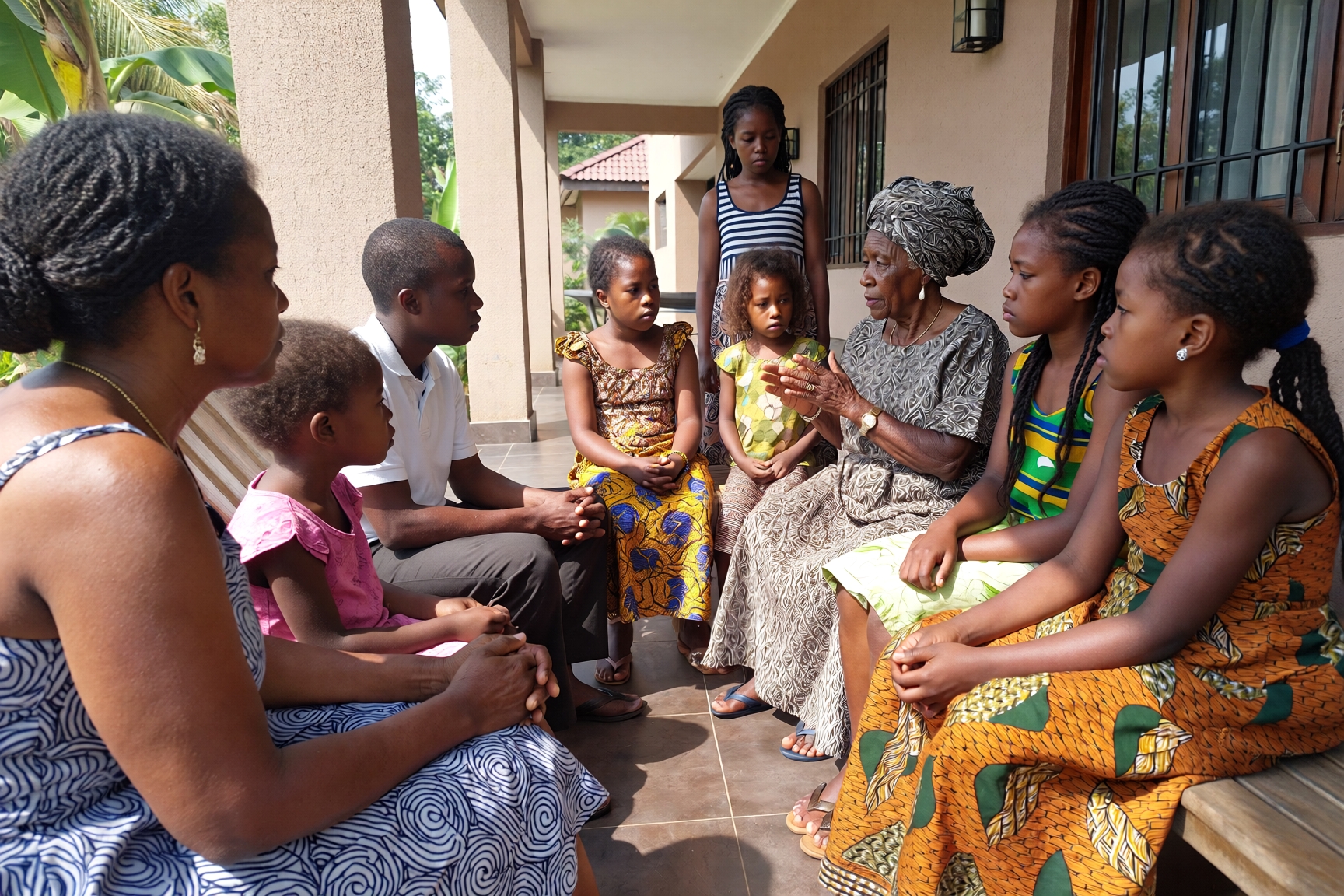
Nigerian families function as the primary enforcers of gender role expectations, sometimes more effectively than any formal institution. Family pressure drives countless personal decisions about career, marriage, domestic arrangements, and child-rearing, often in ways individuals themselves might not choose if operating independently.
Take marriage timing as an example. Women face relentless family pressure to marry by their late twenties at the absolute latest. I’ve watched accomplished women endure hours of family interrogation about why they’re “still single,” as though professional success, financial independence, or personal contentment mean nothing without a husband. The questions escalate into their thirties, with family members sometimes becoming genuinely distressed about their unmarried female relatives.
Men face different but equally intense pressure. They’re expected to demonstrate financial stability before marriage, which means establishing careers and accumulating savings. But they also face family pressure not to wait too long, particularly if they have younger siblings ready to marry. In some ethnic groups, younger siblings cannot marry before elder ones, creating cascading pressure through family birth orders.
Once married, the pressure simply shifts to different issues. When will you have children? Why only one child? Why no son yet? Why are you spacing births so far apart? I know couples who’ve faced devastating family criticism for fertility challenges completely beyond their control, with wives blamed regardless of medical realities about conception.
Domestic arrangements face family scrutiny too. If a man cooks or cleans, his family might question whether his wife is properly fulfilling her duties. If a woman travels extensively for work, her husband’s family might suggest she’s neglecting her home. These aren’t casual comments but sustained campaigns of judgment that wear down even determined individuals.
The interesting part is how family expectations interact with other pressures. Young, educated Nigerians often want more egalitarian arrangements than their parents practised. But maintaining family relationships matters deeply in Nigerian culture. Extended families provide essential support networks, childcare, financial assistance during crises, and social connections. Openly defying family expectations about gender roles can damage these relationships, making the cost of non-conformity quite high.
I’ve watched friends negotiate intricate compromises. They might maintain traditional public presentations whilst operating more equally in private. Or accept some traditional practices whilst quietly resisting others. The goal becomes finding sustainable ways to honour family relationships whilst creating marriages that work for the people actually in them.
Educational Shifts Transforming Gender Attitudes
Education correlates more strongly with gender role attitudes than almost any other factor. The more years of formal education Nigerians receive, particularly women, the more likely they are to question traditional gender hierarchies and expect egalitarian relationships.
Nigerian girls now attend primary school at roughly equal rates to boys, though regional disparities persist. In southern states, female primary enrolment approaches 90%. In some northern states, particularly rural areas, it drops below 40%. These educational gaps directly predict different gender role expectations across regions.
Secondary and tertiary education show even stronger patterns. Women now outnumber men at Nigerian universities in many disciplines, particularly in sciences, medicine, and humanities. Engineering and technology remain male-dominated, but even there, female representation grows steadily.
This educational success creates interesting tensions. Women graduate with qualifications suggesting they should pursue professional careers. They’ve invested years in education, accumulated student debt, and developed career ambitions. Yet they still face social expectations that they should prioritise marriage and motherhood, potentially sidelining their education and career investments.
I’ve taught at Nigerian universities and watched brilliant female students agonise over these conflicts. They know their education opens doors their mothers’ generation couldn’t access. But they also know that appearing “too educated” or “too ambitious” might reduce their marriage prospects, particularly if they pursue postgraduate education or seek positions in male-dominated fields.
Male students face different pressures. They graduate expecting to be primary breadwinners but enter job markets where employment proves elusive. Their education promised social mobility and financial stability that economic realities often fail to deliver. This creates what sociologists call “masculine crisis,” where men cannot fulfil traditional gender role expectations despite doing everything society told them would ensure success.
Education also exposes young Nigerians to global conversations about gender equality, feminism, and women’s rights. Social media accelerates this exposure, connecting Nigerian youth to international movements and ideas. They see women leading countries, corporations, and social movements elsewhere and question why similar opportunities remain limited in Nigeria.
Universities themselves become spaces where gender norms get challenged. Young people live independently for the first time, make decisions without immediate family oversight, and encounter diverse perspectives. Many negotiate more egalitarian relationships during university years, only to face family pressure to revert to traditional patterns after graduation.
The long-term impact of women’s educational success remains to be seen. Will it fundamentally reshape Nigerian gender dynamics, or will traditional structures absorb educated women whilst maintaining basic power arrangements? My sense is that we’re witnessing gradual transformation rather than revolutionary change, with education enabling women to negotiate better terms within existing structures whilst slowly shifting what those structures look like.
Understanding Related Topics
If you’ve found this exploration of Nigerian gender roles helpful, you might benefit from understanding how these patterns connect to broader aspects of Nigerian family life and cultural practices. My previous article on What is Nigerian Family Life Like examines how extended family systems function and how different generations negotiate traditional expectations with contemporary realities.
Additionally, my piece on How do Nigerians Show Respect explores the protocols and practices that govern intergenerational and gender-based interactions, providing context for understanding why certain gender role patterns persist even amongst younger, educated Nigerians.
Moving Forward: Gender Roles in Nigeria’s Future
Nigerian gender roles stand at a fascinating crossroads. Traditional expectations remain powerful, shaping millions of daily interactions and life decisions. Yet countervailing forces push toward change: women’s education and economic participation, exposure to global conversations about equality, younger generations’ questioning attitudes, and government policies promoting gender equity.
What emerges won’t likely be either pure tradition or complete Western-style equality. Rather, Nigeria will develop its own synthesis, something distinctly Nigerian that acknowledges cultural continuity whilst embracing necessary change. We’ve done this before, adapting external influences whilst retaining core cultural identity. Gender roles will follow similar patterns.
The key is recognising that gender roles serve functions beyond simply maintaining tradition. They help people navigate social expectations, signal cultural identity, and maintain community relationships. Change requires offering alternative ways to meet these needs rather than simply criticising existing arrangements.
Young Nigerians show promising signs of this synthesis. They reject the more oppressive aspects of traditional gender roles whilst appreciating aspects of Nigerian culture worth preserving. They want marriages based on partnership rather than hierarchy, families where both parents actively engage in child-rearing, and professional environments where gender doesn’t limit opportunity.
Whether they’ll achieve these goals depends partly on individual choices but more on collective cultural shifts. As more young people model egalitarian relationships, they create space for others to follow. As successful women become more visible in leadership, they challenge assumptions about women’s capabilities. As men embrace active fatherhood and shared domestic responsibilities, they demonstrate that masculinity needn’t rely on rigid traditional formulations.
The Nigerian government’s gender policies signal official recognition that gender equality matters for national development. Whether these policies translate into meaningful change depends on implementation, resource allocation, and cultural willingness to challenge ingrained patterns.
Key Takeaways
- Nigerian gender roles vary substantially by ethnicity, religion, geography, and generation, making sweeping generalisations about “Nigerian culture” problematic and potentially misleading.
- Economic necessity consistently drives practical compromises in gender role expectations, with families adapting traditional patterns when financial survival requires dual incomes or women’s entrepreneurship.
- Education, particularly women’s educational achievement, correlates strongly with more egalitarian gender attitudes, suggesting long-term shifts as educational parity continues expanding across Nigerian society.
FAQs: What are the Gender Roles in Nigerian Culture?
What are the traditional gender roles in Nigerian families?
Traditional Nigerian gender roles typically assign men responsibility for financial provision, property ownership, family representation in public affairs, and major household decision-making authority. Women traditionally manage household operations, child-rearing, food preparation, and often contribute to family income through market trading or agricultural work.
How do gender roles differ across Nigerian ethnic groups?
Gender roles vary significantly across Nigeria’s 371 ethnic groups, with Yoruba traditions historically allowing women substantial economic power through trading, Igbo systems recognising women’s collective authority through organisations like Umu Inyom, and Hausa-Fulani Islamic practices establishing more distinct gender spheres particularly around purdah and women’s public activities. Regional and religious factors create more variation than similarities in specific gender role expectations.
Are Nigerian gender roles changing?
Yes, Nigerian gender roles are evolving significantly, particularly among urban, educated populations where women increasingly pursue professional careers and expect more egalitarian household arrangements. However, change occurs unevenly across regions, generations, and social classes, with traditional expectations remaining powerful in rural areas and among older generations whilst younger Nigerians negotiate more flexible gender dynamics.
What role does religion play in Nigerian gender expectations?
Religion profoundly influences Nigerian gender roles, with both Christianity and Islam providing frameworks for understanding proper gender relations, though interpretations vary widely within each faith. Conservative religious communities often emphasise complementary but hierarchical gender roles, whilst more progressive congregations promote gender equality, creating significant variation in how religious Nigerians understand and practise gender expectations.
How does education affect gender role attitudes in Nigeria?
Education correlates strongly with more egalitarian gender attitudes, with university-educated Nigerians of both sexes significantly more likely to support women’s professional participation, shared household responsibilities, and equal partnership in marriages compared to those with only primary education. Women’s educational achievement particularly challenges traditional gender hierarchies, though educated women often face tensions between professional aspirations and cultural expectations about marriage and motherhood.
What is male child preference in Nigerian culture?
Male child preference refers to the cultural emphasis on producing sons rather than daughters, driven by inheritance systems favouring male heirs, traditions requiring sons for certain religious and cultural functions, and assumptions that sons provide better old-age security than daughters who marry into other families. This preference leads some families to continue having children until producing male heirs, contributing to Nigeria’s high fertility rates and creating pressure on women blamed for family gender composition despite the biological reality that male chromosomes determine child sex.
How do Nigerian women balance career and family?
Nigerian professional women typically manage a “double shift,” maintaining full household responsibilities including meal preparation, childcare, and domestic management alongside full-time professional careers, often working 4-5 hours daily on household tasks in addition to professional obligations. This arrangement reflects persistent expectations that domestic responsibilities remain primarily women’s domain regardless of employment status, creating significant time poverty and career advancement barriers for working women.
What are gender expectations in Nigerian marriages?
Nigerian marriage expectations traditionally position men as household heads responsible for financial provision and major decisions, whilst women manage domestic operations, childrearing, and increasingly contribute to household income through work or business activities. Contemporary educated couples often negotiate more egalitarian arrangements privately whilst maintaining traditional public presentations, particularly regarding financial decision-making and household authority distribution.
How does economic necessity affect gender roles?
Economic necessity consistently drives compromises in traditional gender role expectations, with families accepting women’s income-generating activities when financially essential for survival and men accepting shared household responsibilities when unemployment or underemployment limits their provider capacity. Financial pressure creates practical space for gender role flexibility that ideological commitments alone might not achieve, though families often frame these arrangements as temporary rather than permanent shifts.
What is the government doing about gender equality?
The Nigerian government through the Federal Ministry of Women Affairs has implemented the National Gender Policy 2021-2026, launched initiatives to empower 10 million women economically over three years, and established frameworks addressing maternal mortality, gender-based violence, and women’s political participation. These policies demonstrate official commitment to gender equality, though implementation challenges, resource constraints, and resistance from communities attached to traditional practices limit their practical impact on daily gender dynamics.
Why do gender roles persist in modern Nigeria?
Gender roles persist because they’re reinforced through multiple channels including family expectations, religious teachings, educational socialisation, economic structures that disadvantage women, legal systems that inadequately protect women’s rights, and social penalties for those who challenge traditional arrangements. Additionally, gender roles provide people with familiar frameworks for navigating social expectations and signalling cultural identity, making change psychologically and socially costly even when individuals recognise problems with traditional patterns.
How can gender equality improve in Nigeria?
Gender equality improvement requires coordinated action across multiple domains including enforcing legal protections for women’s rights, implementing gender-responsive budgeting in government programmes, increasing women’s political representation through reserved seats and quotas, challenging religious teachings that justify gender hierarchy, promoting male engagement in household labour and childcare, addressing pay gaps in formal employment, and supporting cultural conversations that question rather than simply accept traditional gender expectations as natural or inevitable.