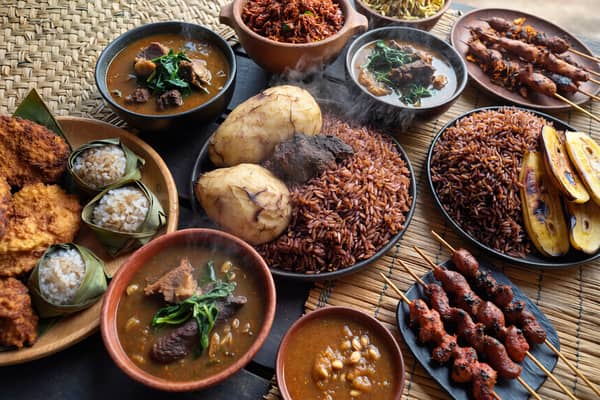
Welcome, friends. I’m genuinely excited to share this exploration of Nigerian food tradition with you. This article represents the culmination of months of research into the culinary heritage of Nigeria and years of experience documenting the nation’s cultural richness. Food in Nigeria isn’t merely sustenance (though heaven knows we need sustenance). It’s identity, memory, ceremony, community, and history served on one plate.
Nigerian food tradition reflects the stories of 371 distinct ethnic groups, each contributing unique cooking methods, ingredients, and ceremonial practices that have evolved over millennia. The diversity is staggering. The depth is humbling.
Let me tell you something extraordinary: if you taste jollof rice prepared by a Yoruba grandmother from Lagos, an Igbo chef from Enugu, and a Hausa cook from Kano, you’ll encounter three completely different dishes that somehow all qualify as the same meal. That paradox, that beautiful tension between unity and diversity, defines Nigerian food tradition in ways that no single definition can capture.
Understanding Nigerian Food Traditions Across Ethnic Lines
The Federal Ministry of Arts, Culture and Creative Economy officially recognises Nigerian culinary practices as diverse as the nation’s ethnic composition, with major traditional dishes including Ugba, Edikang Ikong, Nkwobi, Fufu, Tuwo, Suya, and Kilishi forming part of the national heritage. Each ethnic group maintains particular cuisines they hold dear, passed down through generations with the kind of reverence usually reserved for sacred texts.
I’ve spent considerable time in markets across Nigeria, watching vendors select vegetables. The knowledge they possess about seasonal ingredients, optimal cooking times, and flavour combinations would fill university textbooks. Yet none of it is written down. It’s transmitted orally, demonstrated practically, learned through repetition.
That’s the first thing to understand about Nigerian food tradition: it lives in hands, not books.
The second thing? Community preparation matters as much as individual skill. When my aunt prepares egusi soup, she doesn’t simply cook. She orchestrates. Neighbours arrive to help pound the seeds, sisters-in-law debate spice ratios, younger relatives learn by observation and occasional participation. The soup becomes communal property long before it’s served.
This communal aspect distinguishes Nigerian food tradition from more individualistic culinary cultures. We cook together. We eat together. We argue about proper methods together (sometimes loudly).
Seven Steps for Mastering Nigerian Food Traditions
Having studied Nigerian culinary practices across multiple states and ethnic groups, I’ve identified seven essential steps for anyone seeking to understand these traditions properly:
- Start with Market Research, Not Recipe Research: Visit traditional Nigerian markets like Oshodi in Lagos, Ariaria in Aba, or Kurmi in Kano. Observe which ingredients command premium prices (stockfish, dried prawns, quality palm oil) and which are considered basic staples (garri, beans, rice). Notice how seasons affect availability. Market relationships matter enormously. Vendors will teach you more about Nigerian food than any cookbook if you’re respectful and genuinely curious.
- Learn the Foundational Techniques: Master pounding (yam, fufu), grinding (pepper, spices), and fermentation (locust beans, ogiri). These labour-intensive methods separate authentic Nigerian cooking from approximations. The texture of properly pounded yam cannot be replicated by machines. The flavour of hand-ground pepper differs fundamentally from factory-processed alternatives. These techniques require time, physical effort, and patience.
- Understand the Cultural Context Behind Each Dish: Nigerian foods carry meanings beyond nutrition. Pounded yam with egusi soup demonstrates hospitality and care because of the labour involved. Jollof rice marks celebrations because rice was historically expensive. Kola nut ceremonies accompany important discussions because tradition demands it. Learn the stories, not just the recipes.
- Respect Regional Variations: The Nigeria Tourism Development Corporation emphasises that each region brings distinct flavours to national dishes. Northern Nigerian cuisine features grains, dairy products, and Islamic dietary influences. Southern Nigerian food emphasises oils, seafood, and complex soups. Middle Belt cooking combines elements from both. Understanding these regional distinctions prevents embarrassing generalizations.
- Practice the Swallow-and-Soup Eating Format: This uniquely Nigerian dining structure pairs starchy “swallows” (pounded yam, eba, amala, fufu) with flavourful soups (egusi, ogbono, okra, bitter leaf). The technique matters. You pinch off a morsel of swallow, form it into a ball, create an indentation with your thumb, scoop soup, and swallow without chewing. It’s an art form that takes practice.
- Learn Proper Seasoning Balance: Nigerian cuisine demands bold, layered flavours. Pepper provides heat but also depth. Palm oil adds colour and richness. Stock cubes enhance umami. Crayfish contributes seafood notes. Fermented locust beans (iru, ogiri) add complexity. The balance differs by ethnic group and personal preference, but successful Nigerian cooking always involves multiple flavour dimensions working in harmony.
- Embrace the Time Investment: Authentic Nigerian cooking takes hours. Preparing proper ogbono soup from scratch requires at least two hours. Pounded yam demands 30-45 minutes of continuous physical labour. The lengthy processes aren’t inefficiency; they’re tradition. Modern shortcuts exist, but traditionalists rightfully claim that hurried food loses something essential in translation.
These seven steps provide a framework, not a formula. Nigerian food tradition resists standardisation precisely because it values individual interpretation, family variations, and regional pride.
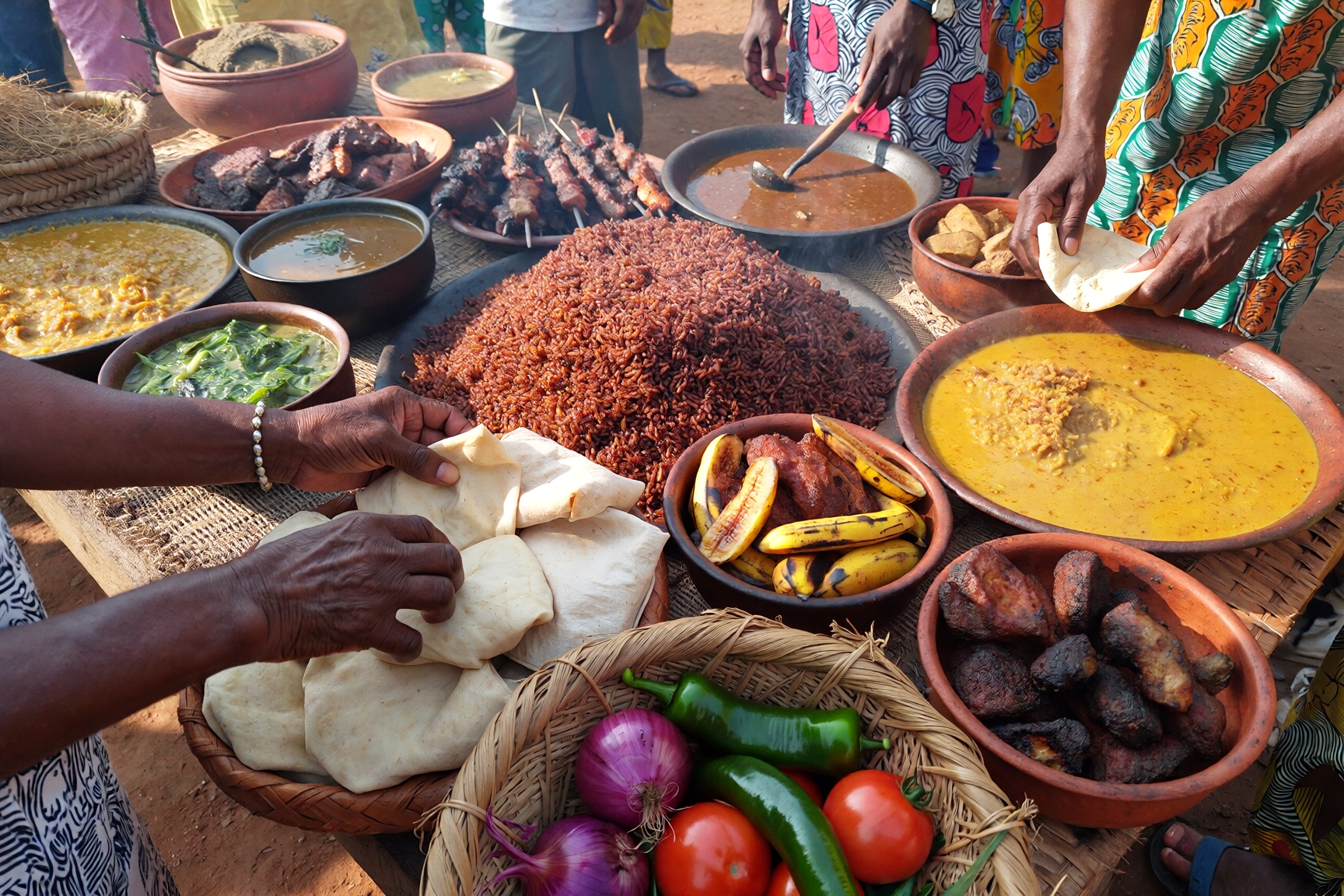
Food Traditions Across Nigeria’s Major Ethnic Groups
Let me share something I learned whilst researching culinary practices across different states: Nigerian food tradition isn’t one tradition. It’s hundreds of traditions that sometimes overlap, sometimes conflict, and always fascinate.
Regional Food Traditions and Their Distinctive Characteristics
| Ethnic Group | Staple Starch | Signature Soup/Stew | Fermented Ingredients | Unique Characteristics | Ceremonial Dishes |
|---|---|---|---|---|---|
| Yoruba | Pounded yam, amala (yam flour), eba | Egusi, ewedu, gbegiri | Iru (locust beans) | Multiple soup varieties, hierarchy of preparations, elaborate presentations | Amala with gbegiri and ewedu for celebrations |
| Igbo | Pounded yam, fufu, akpu (cassava) | Ofe onugbu (bitter leaf), ofe nsala, oha soup | Ugba (oil bean seed), ogiri | Bitter flavours highly valued, extensive soup repertoire | Ofe onugbu for important occasions |
| Hausa-Fulani | Tuwo (sorghum, millet, rice), fura | Miyan kuka (baobab leaf), miyan taushe (pumpkin) | Dawadawa (locust beans) | Grain-based dishes, dairy products (fura da nono), Islamic dietary laws | Fura da nono for Ramadan breaking |
| Efik-Ibibio | Eba, fufu | Edikang Ikong, afang soup | Palm nut concentrate | Abundant leafy vegetables, expensive ingredient combinations | Edikang Ikong for high-status events |
| Tiv | Pounded yam | Alev soup (sesame) | Various traditional ferments | Sesame-based soups, yam cultivation pride | Ruam kusu (yam festival dishes) |
| Edo | Pounded yam, starch | Omoebe (black soup), owo soup | Native fermented seasonings | Dark-coloured soups, unique spice combinations | Ceremonial black soup preparations |
This table barely scratches the surface. Within each ethnic group exist sub-variations based on clan, family, and individual preference. Guardian Nigeria’s exploration of traditional Nigerian cuisine rightly notes that these dishes carry the weight of history and embody deep cultural significance of diverse ethnic groups.
The Igbo emphasis on bitter flavours mystifies outsiders but makes perfect sense within their culinary philosophy. Bitter leaf soup (ofe onugbu) isn’t punishment; it’s sophisticated. The bitterness provides complexity that sweet or merely savoury soups cannot achieve.
Similarly, the Hausa-Fulani preference for grain-based dishes rather than yam-heavy meals reflects both agricultural patterns and historical trade routes connecting Northern Nigeria to the Sahel and North Africa. Guardian Nigeria’s documentation of Northern Nigerian flavours emphasises how environment shapes culinary culture, particularly in regions where scorching temperatures demand specific beverage traditions like kunu and zobo.
Nigerian Food Traditions in Daily Life and Special Occasions
Food traditions function differently depending on context. What you eat Tuesday afternoon differs dramatically from what appears at Saturday weddings.
Daily meals tend towards practicality. Rice and stew. Beans and plantain. Eba and vegetable soup. These combinations provide nutrition without excessive ceremony. They’re prepared quickly (by Nigerian standards), eaten pragmatically, and serve their purpose without pretension.
Special occasion foods demand more. Much more.
Weddings require jollof rice so perfectly prepared that guests will discuss its quality for weeks. The rice cannot be mushy. It cannot be dry. The tomato base must achieve that elusive smoky flavour (we call it “party jollof”) that somehow tastes better in massive outdoor pots than in any home kitchen. Failure to provide excellent jollof rice at a Nigerian wedding constitutes grounds for family shame lasting generations.
Slightly exaggerated, perhaps, but only slightly.
Funerals bring specific dishes depending on ethnic group and religious tradition. Some communities prepare particular soups meant to comfort mourners. Others provide substantial rice dishes acknowledging that grief doesn’t eliminate hunger. The food serves dual purposes: feeding attendees and demonstrating respect for the deceased through proper hospitality.
Traditional festivals demand traditional foods. Yam festivals in Igbo communities cannot occur without new yam prepared according to custom. Islamic holidays bring specific Northern Nigerian dishes. Christmas celebrations might feature jollof rice, fried rice, moin moin, and various meats prepared in quantities that seem excessive until you remember that Nigerian hospitality means feeding everyone who arrives, invited or otherwise.
Traditional Food Preparation Methods That Define Nigerian Cuisine
The Federal Ministry of Arts, Culture and Creative Economy notes that Nigerian culinary practice encompasses generational knowledge rarely documented in written form, relying instead on oral transmission and practical demonstration. This creates both challenges and opportunities for preservation.
Pounding represents perhaps the most iconic Nigerian cooking technique. Wooden mortars and pestles, some standing nearly waist-high, transform boiled yam into the smooth, stretchy consistency that Nigerians prize. The rhythmic pounding creates distinctive sounds that announce meal preparation across neighbourhoods. Two people working in coordination can pound yam faster and more effectively than one, creating opportunities for social bonding during food preparation.
I’ve attempted pounding yam exactly twice. Both times left my arms aching for days whilst producing yam that my aunt diplomatically described as “having character.” The technique requires years of practice to master properly.
Grinding pepper, tomatoes, and onions on flat grinding stones produces textures and flavours that electric blenders cannot replicate. The manual grinding breaks down ingredients differently, creating rougher textures that some traditionalists insist improve soup consistency and flavour absorption.
Palm oil extraction, when done traditionally, involves boiling palm fruits, pounding them, mixing with water, and skimming the bright red oil that rises to the surface. Commercial palm oil is convenient, certainly, but many Nigerians claim they can taste the difference between factory-produced and traditionally-extracted oil.
Smoking and sun-drying preserve foods in the absence of refrigeration whilst adding distinctive flavours. Smoked fish, dried prawns, stockfish (imported dried cod), and bush meat all feature prominently in Nigerian cuisine. These preserved ingredients provide protein and flavour to soups and stews throughout the year.
Food as Cultural Identity and Social Currency
Guardian Nigeria’s examination of what Nigerian culture is known for identifies food as a cornerstone of hospitality, family bonding, cultural identity, and social celebration, with regional dishes reflecting ethnic heritage and shared meals reinforcing community ties.
Refusing food offers can be considered disrespectful in many Nigerian contexts. Not because Nigerians are pushy (well, not only because), but because food sharing represents care, welcome, and acceptance. When someone offers food, they’re offering relationship, not just calories.
This creates interesting dynamics. If you visit a Nigerian home and claim you’re not hungry, your host will probably insist several times. They’re not ignoring your stated preference. They’re confirming that you’re genuinely full rather than being polite or feeling unwelcome. Once they’re satisfied that you truly don’t want food, the pressure typically eases.
Food also serves as social currency in complex ways. The quality of meals you provide guests affects your reputation. Preparing difficult dishes for visitors demonstrates respect through effort. Serving special or expensive ingredients shows honour. These aren’t explicitly stated rules, but Nigerians understand them intuitively.
The jollof rice debates that occasionally dominate Nigerian social media might seem trivial to outsiders. They’re not trivial. They’re playful expressions of regional pride that acknowledge shared Nigerian identity whilst maintaining distinct ethnic traditions. When Nigerians argue about whether Nigerian or Ghanaian jollof reigns supreme, we’re really discussing cultural sovereignty, colonial history, and national pride whilst using rice as a delicious metaphor.
Traditional Foods and Their Symbolic Meanings
Every Nigerian dish carries meaning beyond nutrition. Some meanings are obvious. Others require cultural context to appreciate fully.
Kola nut, whilst technically not food, holds enormous ceremonial significance. Nigerian Foreign Affairs documentation of cultural practices emphasises that guests are fed generously as part of the Nigerian experience. Kola nut presentation follows specific protocols depending on ethnic group. Who breaks the kola? Who distributes it? These questions matter during important discussions, business negotiations, and traditional ceremonies.
Palm wine accompanies many celebrations, particularly in Southern Nigeria. Fresh palm wine tastes sweet and slightly effervescent. Left to ferment longer, it becomes more alcoholic and sour. The drink represents community because palm wine tappers climb tall trees daily to collect fresh sap, distributors transport it, and consumers enjoy it within hours of collection. It’s inherently local and inherently social.
Suya, that glorious spiced meat on sticks, has evolved from Northern Nigerian specialty to national favourite. Guardian Nigeria’s article on exploring Nigerian cultural taste buds notes how traditional cuisines pass from generation to generation with food practices often memorised rather than documented. Suya represents entrepreneurship, street food culture, and the democratisation of meat consumption. You don’t need wealth to enjoy suya; you need five hundred Naira and a street corner with a good suya spot.
Moin moin (steamed bean pudding) appears at virtually every Nigerian celebration. Its labour-intensive preparation (soaking beans, peeling them, grinding, seasoning, wrapping in leaves or tins, steaming) makes it a dish of honour. Serving moin moin demonstrates that you valued the occasion enough to invest significant time and effort.
Modern Challenges Facing Traditional Nigerian Food Practices
I’d love to paint an entirely optimistic picture of Nigerian food tradition thriving unchanged. That would be dishonest.
Urbanisation pressures traditional cooking methods enormously. Lagos residents working long hours cannot realistically spend three hours preparing soup from scratch. They adapt by using pre-ground spices, food processors, and sometimes pre-prepared ingredients that traditionalists view with horror.
Economic factors affect ingredient accessibility. Quality palm oil, fresh fish, proper stockfish, and premium meat cost significant money. Families managing tight budgets must make compromises that previous generations didn’t face. A proper pot of ogbono soup might require ingredients costing N15,000-N20,000, pushing it into special occasion territory for many households.
Generational transmission faces obstacles. Young Nigerians increasingly lack direct exposure to traditional preparation methods. How many urban 25-year-olds can properly pound yam? How many know which wild vegetables are edible and nutritious? This knowledge erosion worries cultural preservationists.
The influence of Western fast food creates additional complications. McDonald’s, KFC, and local equivalents offer convenience that traditional Nigerian food cannot match. Children raised on burgers and fries sometimes resist traditional dishes, viewing them as old-fashioned or overly spicy.
Yet I remain cautiously optimistic. Nigerian diaspora communities worldwide maintain food traditions with remarkable dedication, teaching children and grandchildren to prepare traditional dishes. Young Nigerian chefs are innovating whilst respecting tradition, finding ways to honour culinary heritage whilst adapting to contemporary realities. Food blogs, YouTube channels, and social media document traditional recipes in unprecedented detail, creating written and visual records that complement oral transmission.
Preservation Efforts and Contemporary Evolution
Some encouraging developments suggest Nigerian food tradition will survive and evolve rather than disappear entirely.
Government recognition matters. When the Federal Ministry officially acknowledges traditional dishes as national heritage, it validates their importance beyond mere nostalgia. This recognition can influence educational curricula, tourism promotion, and cultural preservation initiatives.
Commercial ventures are preserving traditions through market mechanisms. Restaurants specialising in authentic ethnic cuisine create economic incentives for maintaining traditional preparation methods. Bottled palm wine, packaged traditional spices, and frozen swallow products make traditional ingredients more accessible whilst supporting producers who maintain time-honoured practices.
Diaspora connections create unexpected preservation pathways. Nigerians abroad often maintain more traditional food practices than urban Nigerians in Lagos or Abuja, creating situations where traditional methods get preserved internationally then reimported domestically. It’s rather like discovering that the best versions of your grandmother’s recipes are now kept by your cousins in Houston and London.
Social media plays a surprisingly positive role. Young Nigerians document traditional cooking processes in videos that reach millions. The visual medium captures techniques that written recipes struggle to convey. Watching someone properly pound yam teaches more than any text description could.
Academic interest is growing. Universities are studying traditional Nigerian cuisine as serious scholarship rather than folkore. This academic attention creates resources, documentation, and frameworks for understanding these traditions’ historical and cultural significance.
What is the Food Tradition of Nigeria? A Direct Answer
Nigerian food tradition represents the collective culinary heritage of 371 ethnic groups, each maintaining distinct cooking methods, ingredients, and ceremonial practices whilst contributing to recognisable national dishes. It encompasses specific preparation techniques (pounding, grinding, fermenting), ingredient preferences (palm oil, stockfish, various peppers), eating formats (swallow-and-soup combinations), and social protocols (communal cooking, generous hospitality, food refusal etiquette) that have evolved over centuries. The tradition prioritises labour-intensive methods over convenience, values seasonal and locally-sourced ingredients, emphasises communal rather than individual food preparation, and treats eating as social activity requiring proper context and ceremony. Major traditional dishes forming part of national heritage include fufu, tuwo, akpu, suya, kilishi, amala, eba, pounded yam, egusi soup, edikang ikong, and numerous regional specialties.
Bringing Nigerian Food Traditions Into Your Life
After months of research and years of cultural immersion, I’ve concluded that Nigerian food tradition offers profound lessons about community, patience, and cultural pride that extend beyond cooking.
If you want to experience these traditions authentically, start with patience. Embrace lengthy preparation times. Accept that proper Nigerian food requires investment. Visit Nigerian markets and build relationships with vendors. Learn at least one ethnic group’s traditional dishes properly rather than attempting superficial knowledge of many.
Respect the cultural context. Food isn’t just food in Nigerian tradition. It’s history, identity, ceremony, and relationship served simultaneously. When you eat traditional Nigerian dishes, you’re consuming centuries of cultural evolution, ethnic pride, agricultural knowledge, and community bonds.
Support preservation efforts where possible. Patronise restaurants maintaining authentic preparation methods. Purchase ingredients from vendors who source traditionally. Share traditional recipes with younger generations. Document family cooking methods before that knowledge disappears.
Most importantly, approach Nigerian food tradition with humility and curiosity rather than judgment. What seems inefficient might serve purposes beyond speed. What tastes unfamiliar might become beloved with repeated exposure. What appears simple often conceals sophisticated technique and deep cultural meaning.
Key Takeaways
- Nigerian food tradition encompasses 371 distinct ethnic culinary practices unified by shared values of communal preparation, generous hospitality, and labour-intensive traditional methods that prioritise authenticity over convenience.
- Traditional preparation techniques including pounding, grinding, and fermenting create distinctive textures and flavours that modern shortcuts cannot replicate, with these methods serving cultural functions beyond mere cooking efficiency.
- Food serves as social currency and cultural identity marker in Nigerian society, with specific dishes carrying symbolic meanings, ceremonial importance, and social protocols that transform eating from private consumption into public cultural performance.
Connecting Nigerian Food Tradition to Broader Cultural Heritage
Understanding Nigerian food tradition enriches appreciation for the nation’s overall cultural complexity. When I previously explored how Nigerians show respect across different contexts, food hospitality emerged as a central theme demonstrating honour and welcome through careful preparation and generous portions.
Similarly, my investigation of Nigerian cultural taboos revealed how food restrictions, preparation protocols, and eating customs reflect deeper spiritual and social beliefs that shape Nigerian identity beyond cuisine alone.
FAQ: Understanding Nigerian Food Traditions
What exactly qualifies as traditional Nigerian food?
Traditional Nigerian food includes dishes originating from specific ethnic groups before significant Western influence, prepared using indigenous ingredients and time-honoured methods passed down through generations. These dishes typically feature local starches (yam, cassava, plantain, millet), palm oil, native vegetables, fermented ingredients, and proteins from local sources rather than imported alternatives.
Why do Nigerians serve such large food portions?
Large portions demonstrate hospitality, respect, and proper celebration of guests, with Nigerian cultural norms equating generous food offerings with caring, welcome, and social status. Providing abundant food ensures no guest leaves hungry, acknowledges the honour of their presence, and reflects traditional agricultural abundance mindsets where sharing harvests strengthened community bonds.
How do Nigerian food traditions differ between ethnic groups?
Different ethnic groups favour distinct starches (Yoruba prefer pounded yam and amala, Igbo emphasise various fufu types, Hausa-Fulani feature grain-based tuwo), unique soup varieties, specific fermented ingredients, and varied ceremonial dishes. Regional agricultural patterns, historical trade routes, religious influences, and cultural values all shape these ethnic culinary distinctions whilst maintaining recognisable “Nigerian” characteristics.
What role does palm oil play in Nigerian cuisine?
Palm oil provides the foundational cooking fat for most traditional Nigerian dishes, contributing distinctive red colour, rich flavour, high smoking point for cooking, and cultural significance as indigenous African ingredient. Its use distinguishes authentic Nigerian cooking from adaptations using vegetable oil, with palm oil’s flavour and colour considered essential to proper dish preparation across most ethnic groups.
Why is pounding yam considered important rather than using instant alternatives?
Traditional pounding creates specific smooth, stretchy textures impossible to achieve through mechanical processing or instant powders, with the labour-intensive process demonstrating respect, hospitality, and cultural authenticity. The physical effort involved in pounding communicates care for guests, whilst the distinctive texture and taste differences between pounded and instant yam represent cultural values privileging quality and tradition over convenience.
How have Nigerian food traditions adapted to modern urban life?
Urban Nigerians increasingly use food processors for grinding, purchased rather than home-extracted palm oil, and pre-prepared ingredient combinations whilst maintaining traditional flavour profiles and cultural eating practices. Many families reserve fully traditional preparations for weekends and special occasions, accepting weekday compromises that balance cultural preservation with practical time constraints and modern work schedules.
What is the significance of communal eating in Nigerian tradition?
Communal eating from shared plates reinforces family bonds, teaches proper social behaviour, demonstrates equality within groups, and transforms meals into social ceremonies rather than mere nutrition. The practice emphasises community over individualism, creates opportunities for elder teaching during meals, and reflects traditional values prioritising collective wellbeing over personal preference or convenience.
Why do Nigerian soups contain so many ingredients?
Multiple ingredients create complex layered flavours impossible to achieve with simple recipes, with each component contributing distinct taste dimensions, textures, nutritional benefits, and cultural significance. Nigerian culinary philosophy values depth and sophistication over simplicity, viewing elaborate ingredient combinations as demonstrating skill, care, and proper cultural knowledge rather than unnecessary complexity.
How do religious beliefs affect Nigerian food traditions?
Islamic dietary laws influence Northern Nigerian cuisine through halal meat requirements, alcohol prohibition, and specific Ramadan foods like fura da nono. Christianity introduced some Western ingredients and cooking methods whilst generally accommodating traditional practices, with both religions recognising food’s ceremonial importance in festivals, celebrations, and community gatherings across ethnic groups.
What threatens traditional Nigerian food practices most significantly?
Urbanisation pressures, economic constraints limiting ingredient access, generational knowledge transmission gaps, Western fast food influence, and time scarcity in modern work culture all challenge traditional practices. Young Nigerians often lack direct exposure to traditional preparation methods, whilst ingredient costs push elaborate traditional dishes into special occasion territory rather than daily consumption for many families.
How can traditional Nigerian food traditions be preserved for future generations?
Documentation through videos, written recipes, and social media; commercial ventures making traditional ingredients accessible; diaspora community efforts; government recognition and support; academic study; and family transmission all contribute to preservation. Creating economic incentives for traditional preparation methods, integrating culinary heritage into education, and balancing adaptation with authenticity help ensure traditions evolve rather than disappear.
What makes Nigerian food tradition distinct from other West African cuisines?
Nigeria’s exceptional ethnic diversity (371 groups) creates more varied culinary traditions than neighbouring countries, with distinctive swallow-and-soup eating format, unique fermented ingredients, specific palm oil emphasis, and particular spice combinations. The development of pan-Nigerian dishes like jollof rice alongside maintained ethnic distinctions, combined with population size enabling strong culinary identity, distinguishes Nigerian food tradition from neighbouring Ghanaian, Senegalese, or Beninese cuisines despite shared West African elements.