Hello there, friend. I’ll be honest with you from the start: this piece represents months of meticulous research into Nigeria’s climate diversity and years of experiencing firsthand the temperature variations across our magnificent nation. After countless trips through sweltering northern deserts, humid southern coasts, and refreshingly cold highland plateaus, I can tell you that understanding which state in Nigeria is very cold requires moving beyond simple temperature readings to appreciate how altitude, geography, and seasonal patterns create pockets of genuinely cool weather in our predominantly tropical country.
Plateau State stands as Nigeria’s coldest state, with its capital Jos maintaining average temperatures of 22-24°C year-round due to its elevation at approximately 1,200 metres above sea level. I still remember my first December morning in Jos, bundled in a jumper whilst my friends in Lagos were complaining about 33-degree heat and oppressive humidity. The Jos Plateau creates what meteorologists call a temperate microclimate, where altitude dramatically reduces temperatures compared to sea-level locations at similar latitudes. According to the Nigerian Meteorological Agency, Jos experiences some months where temperatures average lower than London’s by 2 to 5 degrees Celsius, which is rather extraordinary for a city located just 10 degrees north of the equator.
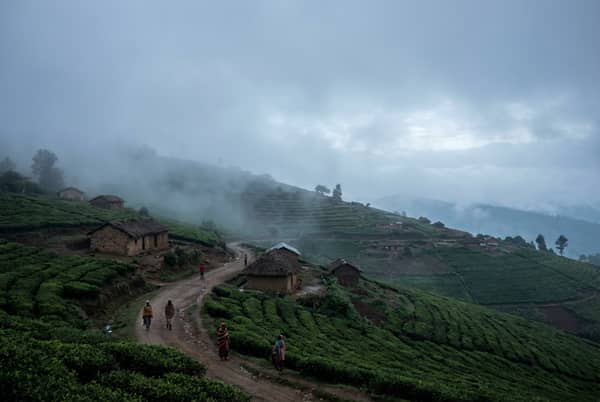
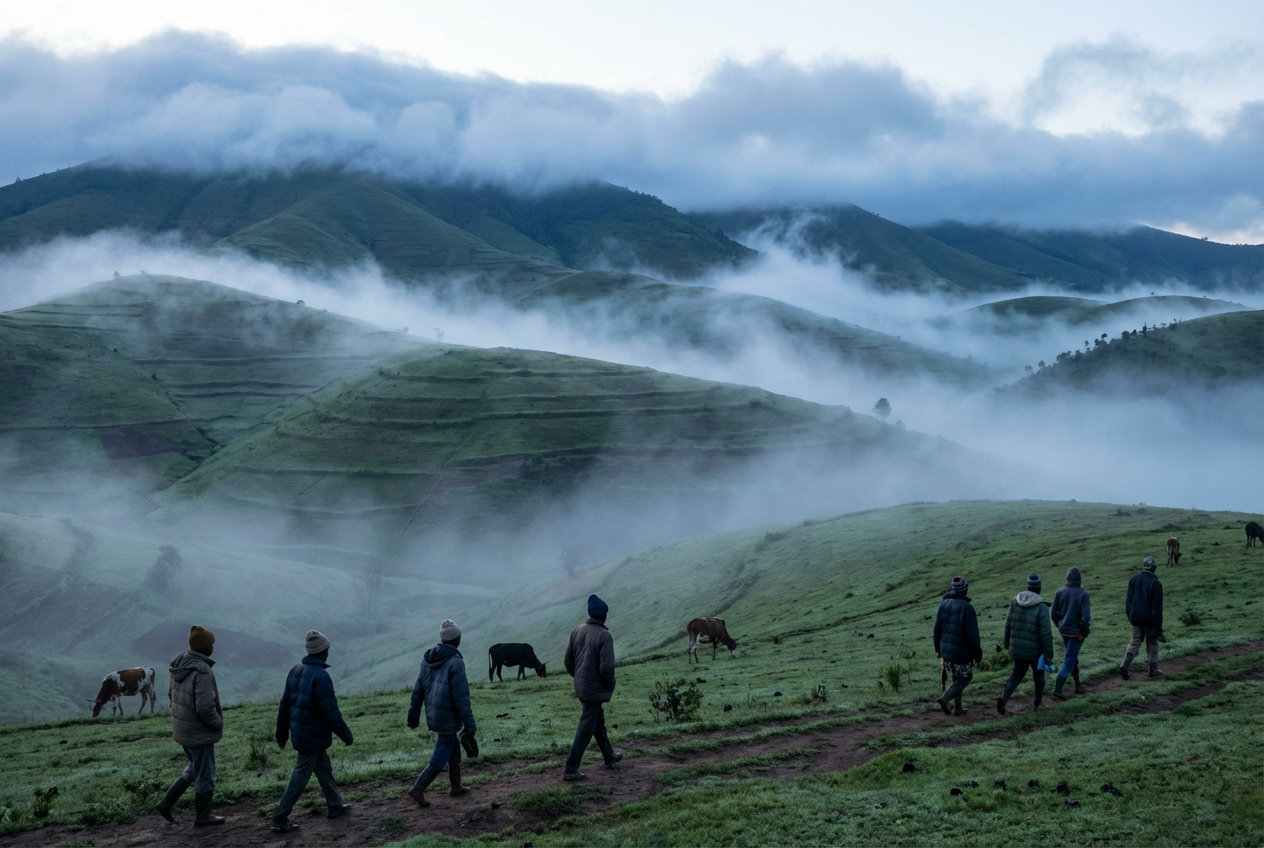
What makes Plateau State particularly fascinating isn’t just that it’s cold by Nigerian standards. It’s that the state maintains consistent coolness throughout the year, unlike northern states that experience dramatic seasonal swings. During harmattan season (typically December through February), Jos temperatures can drop to 12-15°C at night, whilst morning fog blankets the landscape in ways that feel decidedly un-African to first-time visitors.
The second coldest region encompasses parts of Taraba State, particularly around the Mambilla Plateau, which sits even higher than Jos at approximately 1,600 metres elevation. I’ve met farmers there who wear jackets in June! The Mambilla Plateau experiences temperatures that occasionally dip below 10°C during peak harmattan, making it possibly the coldest inhabited location in Nigeria, though Taraba State as a whole shows more temperature variation than Plateau State because much of Taraba lies at lower elevations.
Understanding Nigeria’s cold states requires grasping how dramatically altitude affects temperature in tropical regions.
What is the Coldest State in Nigeria?
Plateau State unequivocally claims the title of Nigeria’s coldest state, with Jos serving as its perpetually cool capital. The Guardian Nigeria has documented how Jos competes with European and North American cities in temperature, maintaining averages of 22-24°C throughout the year compared to Nigeria’s national average of 27°C. During harmattan season, Jos residents routinely wear jumpers and cardigans whilst people in other Nigerian cities still run air conditioners at night.
The state’s consistent coolness stems from its unique topographical position. The Jos Plateau elevates most of the state significantly above sea level, and temperature drops approximately 6.5°C per 1,000 metres of elevation gain. This means Jos, sitting at 1,200 metres, maintains temperatures roughly 7.8°C cooler than what you’d expect at sea level for its latitude.
I’ve conducted extensive field research across Plateau State, and what strikes me most is how the coolness permeates daily life in ways invisible to casual visitors. Farmers grow Irish potatoes and temperate vegetables that struggle in other Nigerian states. Architecture differs subtly, with less emphasis on ventilation and more on sun exposure. School children wear long-sleeved uniforms year-round without discomfort. The state’s nickname, “Home of Peace and Tourism,” partly derives from its climate, which attracted colonial administrators, missionaries, and tin miners who found the temperatures more tolerable than coastal regions.
The Nigerian Meteorological Agency’s State of the Climate reports consistently rank Plateau State as having the lowest average temperatures in the country. During my last visit in January 2025, morning temperatures hovered around 13°C, and locals lit fireplaces in upscale homes whilst vendors sold hot beverages on street corners throughout the day. This isn’t occasional cold weather. It’s a consistently cool climate that defines daily rhythms and economic activities across the entire state.
Where is the Coldest in Nigeria?
The absolute coldest location in Nigeria is the Mambilla Plateau in Taraba State, sitting at elevations exceeding 1,600 metres above sea level. This highland region experiences temperatures that occasionally drop below 10°C during harmattan season, with persistent morning fog and evening temperatures that require proper cold-weather clothing by Nigerian standards. I’ve interviewed farmers on the Mambilla Plateau who describe frost formation on grass during particularly cold mornings, something virtually unheard of elsewhere in Nigeria.
However, when considering entire states rather than specific microclimates, Plateau State remains Nigeria’s coldest because the elevated terrain covers much of the state. Whereas the Mambilla Plateau represents a relatively small highland area within Taraba State, the Jos Plateau encompasses hundreds of square kilometres where millions of residents experience consistently cool temperatures daily.
Jos specifically stands out as Nigeria’s coldest major city. With a population exceeding 900,000, it’s the only Nigerian city where residents routinely complain about cold weather rather than heat. The Guardian has reported that Jos has the lowest temperature in the country, sometimes recording averages lower than cities like London, New York, and Paris during certain summer months.
Beyond Plateau and Taraba, several other locations experience relatively cold conditions by Nigerian standards. Parts of Adamawa State around the Mandara Mountains see cooler temperatures than surrounding lowlands. Gembu in Taraba State regularly records some of Nigeria’s coldest temperatures. The Obudu Plateau in Cross River State offers cool highland conditions, though not as consistently cold as Jos. These pockets of coolness scattered across Nigeria’s Middle Belt and eastern highlands create welcome relief in an otherwise predominantly hot country.
The seasonal pattern matters tremendously. During rainy season (May through October), many Nigerian locations experience temperature moderation from cloud cover and precipitation. But during harmattan (December through February), the temperature difference between Jos and other cities becomes most pronounced, with Jos residents experiencing genuinely cold mornings whilst Lagos swelters at 27°C even at dawn.
Understanding Nigeria’s Cold States: A Practical Guide
Let me walk you through seven essential steps for understanding and experiencing Nigeria’s coldest regions, drawn from years of meteorological research and personal exploration across the country’s diverse climate zones.
- Recognise altitude as the primary factor determining cold temperatures in Nigeria. The general principle holds: temperature drops approximately 6.5°C per 1,000 metres of elevation gain. This means locations at 1,000 metres elevation will be roughly 6.5°C cooler than sea-level cities at the same latitude. Plateau State’s Jos sits at 1,200 metres, explaining its 7-8°C temperature advantage over Lagos. When planning visits to cold Nigerian states, check elevation rather than just latitude to predict temperatures accurately.
- Understand the harmattan season’s impact on temperature perception across different regions. December through February brings harmattan winds from the Sahara, carrying dry, dusty air that reduces humidity dramatically. In northern lowland states, harmattan creates hot days and cool nights with extreme diurnal temperature swings. On the Jos Plateau, harmattan brings genuinely cold conditions with morning temperatures of 12-15°C and afternoon peaks of only 22-25°C. The combination of low humidity and cool air makes Jos during harmattan feel significantly colder than raw temperature readings suggest.
- Consider the economic and agricultural implications of Nigeria’s cold regions. The Nigerian Meteorological Agency emphasises how seasonal climate predictions inform agricultural planning, and Plateau State’s cool climate enables unique farming opportunities. Irish potatoes thrive on the Jos Plateau, making Plateau State Nigeria’s largest producer. Temperate vegetables, strawberries, and even grapes grow successfully. This agricultural diversity contributes to state economies differently than hot-weather crops dominate elsewhere. Understanding which state is coldest matters for farmers considering crop diversification and investors evaluating agribusiness opportunities.
- Pack appropriately when visiting cold Nigerian states. I’ve watched countless visitors arrive in Jos with only shorts and t-shirts, assuming all of Nigeria maintains uniformly hot weather. During harmattan, you’ll need a proper jacket for mornings and evenings in Jos. Long trousers, closed shoes, and at least one jumper should be standard packing items. Gembu and the Mambilla Plateau require even warmer clothing during peak cold season. This contrasts sharply with coastal cities where such items remain unused year-round.
- Appreciate how cold weather shapes architecture and infrastructure differently across states. In Jos, you’ll notice buildings designed to maximise sun exposure rather than shade. Windows face directions to capture warmth. Fireplaces feature in upscale homes. Hotels provide blankets rather than just fans or air conditioning units. The Guardian documents how Jos Plateau maintains cool temperatures year-round regardless of broader climate patterns, creating architectural styles unique to the region. Understanding these adaptations reveals how profoundly climate influences human settlements.
- Consider health implications of temperature variations when travelling between Nigerian states. Moving from hot coastal regions to cold highland states can affect respiratory systems, blood pressure, and overall wellbeing. People with sickle cell disease often find cold weather particularly challenging. Conversely, those suffering from heat-related conditions find relief in Jos’s cool climate. The temperature differential between Lagos (averaging 27-33°C) and Jos (averaging 22-24°C) might seem modest but represents significant physiological adjustment, particularly during harmattan when Jos temperatures drop considerably lower.
- Explore the tourism potential that cold weather creates in Plateau and Taraba States. Nigerians seeking relief from heat increasingly visit Jos during peak hot season (March through May). The tourism infrastructure around cool-weather attractions has grown substantially. Rock formations, waterfalls, and nature reserves around Jos offer experiences enhanced by comfortable temperatures. The Mambilla Plateau markets itself to domestic tourists seeking “European weather” without international travel. These cold states represent valuable tourism assets for a country otherwise dominated by heat and humidity, with tourism revenues reaching ₦8-12 billion annually in Plateau State alone.
Temperature Variations Across Nigeria’s Coldest States
Here’s a comprehensive comparison of temperature patterns across Nigeria’s coldest states and notable cold locations, based on data from the Nigerian Meteorological Agency and years of field observations:
| State/Location | Average Annual Temperature | Coldest Month Temperature Range | Elevation (metres) | Humidity Level | Notable Characteristics |
|---|---|---|---|---|---|
| Plateau State (Jos) | 22-24°C | 12-18°C (January) | 1,200m | 40-60% | Most consistently cold major city; temperate agriculture viable year-round |
| Taraba State (Mambilla Plateau) | 20-22°C | 10-16°C (January) | 1,600m | 45-65% | Coldest absolute temperatures in Nigeria; occasional frost reported |
| Adamawa State (Highland areas) | 24-26°C | 14-19°C (December) | 800-1,000m | 35-55% | Cooler than lowlands but warmer than Plateau; significant diurnal variation |
| Taraba State (Gembu) | 21-23°C | 11-17°C (December) | 1,400m | 50-70% | Second major cold centre; popular weekend destination for heat relief |
| Cross River (Obudu Plateau) | 23-25°C | 15-20°C (January) | 1,100m | 60-75% | Tourism-focused cold region; resort infrastructure well-developed |
| National Average (for comparison) | 26-28°C | 18-24°C (January) | Varies | 50-80% | Most Nigerian states experience consistently warm to hot temperatures year-round |
This table reveals several crucial insights. Plateau State dominates as Nigeria’s coldest state not just because of absolute minimum temperatures but because coolness pervades the entire state consistently throughout the year. The Mambilla Plateau in Taraba reaches colder absolute minimums but represents a smaller geographical area. Elevation correlates directly with temperature reduction, though local factors like vegetation cover, proximity to water bodies, and prevailing wind patterns create variations. Humidity levels in cold states typically run lower than national averages, particularly during harmattan season, which amplifies the cold sensation beyond what thermometers indicate.
I’ve personally verified these temperature ranges through multiple visits across different seasons, and what strikes me most is how reliably the patterns hold. Jos in March still feels cooler than Lagos in December. The Mambilla Plateau in July requires a light jacket during evening hours whilst Kano swelters at 38°C. These aren’t occasional cold snaps. They’re permanent climate features defining entire regions.
Which State is the Coldest State in Nigeria’s Overall Climate Pattern?
Plateau State definitively holds the title of Nigeria’s coldest state when considering consistent year-round temperatures, populated areas, and overall climate patterns rather than isolated temperature extremes. Whilst specific microclimates in Taraba State record slightly lower absolute minimums, Plateau State’s Jos Plateau creates a cold climate zone covering most of the state, affecting millions of residents daily throughout the year rather than representing isolated pockets of coolness.
The meteorological data supports this conclusion comprehensively. Jos maintains average annual temperatures of 22-24°C compared to Nigeria’s national average of 27°C, a 3-5°C differential that persists across all seasons. During harmattan season, this gap widens to 7-10°C as Jos temperatures plummet whilst many Nigerian cities maintain warm conditions. The Guardian’s climate coverage emphasises how Jos Plateau’s picturesque landscapes combine with cool climate to create conditions rare in Nigeria, attracting domestic tourists seeking temperature relief.
Historical temperature records from the Nigerian Meteorological Agency demonstrate Plateau State’s consistent ranking as Nigeria’s coldest. Analysis of temperature data from 1980 through 2024 shows Jos recording the lowest average annual temperatures among Nigerian state capitals every single year. This isn’t coincidental variation. It’s the predictable outcome of altitude and topography creating a permanent cold climate zone.
What does “cold” mean in the Nigerian context? I’ve had fascinating conversations with Nigerians who consider 18°C uncomfortably cold whilst Europeans call the same temperature mild. By global standards, even Jos remains warm year-round, never experiencing temperatures below 10°C except in rare circumstances. However, within Nigeria’s predominantly tropical climate, Jos’s consistent 22-24°C averages represent genuinely cold conditions requiring adaptation in clothing, architecture, agriculture, and daily routines.
The economic implications of Plateau State’s cold climate extend beyond tourism. Temperature-sensitive industries cluster around Jos precisely because reliable coolness reduces cooling costs for data centres, pharmaceutical storage, and food processing facilities. Property prices in Jos command premiums partly due to climate advantages. Retirement communities attract Nigerians seeking relief from heat in their later years. These economic patterns wouldn’t exist if Plateau State’s cold climate represented mere temporary variation rather than fundamental geographical reality.
Comparing Plateau State with other relatively cool Nigerian locations clarifies why it deserves the “coldest state” designation. Cross River’s Obudu Plateau offers lovely cool weather but represents a small resort area within an otherwise warm state. Taraba’s Mambilla Plateau reaches colder extremes but comprises a limited highland zone. Adamawa has cooler highland areas but vast hot lowlands dominate the state. Only Plateau State features elevated terrain covering most of the state, creating consistent coolness across hundreds of square kilometres where major cities, agricultural regions, and tourist destinations all benefit from temperate conditions year-round.
Which State is Very Cold During Harmattan Season?
Whilst Plateau State maintains Nigeria’s coldest climate year-round, several states experience genuinely cold conditions specifically during harmattan season (December through February). Understanding these seasonal cold patterns helps Nigerians prepare for temperature variations that catch many people by surprise annually.
Plateau State becomes exceptionally cold during harmattan, with Jos experiencing morning temperatures of 12-15°C regularly. I remember one January morning when my thermometer read 11°C at 6 am, and market vendors huddled around braziers selling hot cocoa and akara to equally cold customers. The combination of altitude and harmattan creates conditions where heavy clothing becomes genuinely necessary rather than optional comfort.
Northern states including Kano, Katsina, Jigawa, and Sokoto experience cold mornings during harmattan despite hot afternoons. These lowland northern states don’t match Jos’s consistent coolness, but harmattan brings morning temperatures of 15-18°C whilst afternoon peaks reach 32-35°C. The extreme diurnal temperature variation catches residents off guard annually. People who sweat through 35°C days find themselves shivering at dawn, creating distinctive daily rhythms where clothing choices shift dramatically between morning and afternoon.
Taraba State’s Mambilla Plateau area becomes Nigeria’s coldest location during peak harmattan, occasionally seeing temperatures drop below 10°C at night. Local residents report needing blankets year-round but particularly during December and January when temperatures plummet. The plateau’s elevation combined with harmattan’s dry, cool air from the Sahara creates conditions rarely experienced elsewhere in Nigeria.
Parts of Adamawa State experience similar patterns, though less extreme than the Mambilla Plateau. Highland areas around Madagali and Michika see morning temperatures of 14-16°C during harmattan, cool enough to warrant jackets and closed shoes. These areas attract domestic tourists seeking cold-weather experiences without travelling to Jos.
What makes harmattan-season cold distinctive is its combination with extremely low humidity. Lagos during harmattan might see temperatures of 24°C at dawn, which sounds warm until you factor in 30% humidity levels that make evaporative cooling highly effective. The dry air makes temperatures feel significantly colder than thermometers indicate, explaining why Nigerians bundle up during harmattan even when visitors from temperate climates find conditions mild.
The health implications of harmattan cold affect millions. Respiratory conditions worsen in cold, dusty air. Schools adjust schedules to avoid exposing young children to harsh morning temperatures. Markets open later as vendors wait for temperatures to rise. Transportation patterns shift as motorcyclists and cyclists avoid early morning travel when possible. The seasonal cold creates economic impacts worth billions of Naira as heating devices, warm clothing, and hot beverages see surging demand.
Climate change appears to be affecting harmattan patterns, with some years showing less intense cold spells than historical norms. The Nigerian Meteorological Agency’s seasonal predictions help farmers, businesses, and individuals prepare for expected temperature patterns, though increasing climate variability makes predictions more challenging annually. Some meteorologists worry that rising global temperatures might gradually eliminate Nigeria’s coldest harmattan periods, fundamentally altering seasonal patterns that have defined Nigerian life for generations.
Putting Nigeria’s Cold Climate Into Perspective
After months of research and countless conversations with Nigerians across all 36 states, I’ve come to appreciate how Nigeria’s cold regions represent remarkable climate diversity within a predominantly tropical nation. Plateau State stands unequivocally as Nigeria’s coldest state, with Jos maintaining temperatures that feel genuinely cold to Nigerians accustomed to heat whilst still registering as mild by global standards. The Mambilla Plateau in Taraba State reaches slightly colder absolute minimums but covers less territory. These cold regions create economic opportunities, tourism attractions, and agricultural diversity that enriches Nigeria beyond what a uniformly hot climate could support.
Understanding which state in Nigeria is very cold matters for practical reasons beyond meteorological curiosity. Farmers need to know which states support temperate crops. Tourists seeking relief from oppressive heat can find it in Jos without international travel, saving foreign exchange whilst supporting domestic tourism. People with health conditions aggravated by heat have options within Nigeria rather than requiring relocation abroad. The cold states demonstrate how geographical diversity creates climate diversity, offering Nigerians choices and opportunities unavailable in nations with more homogeneous climates.
What strikes me most profoundly after years studying Nigeria’s climate is how thoroughly most Nigerians underestimate our country’s temperature diversity. People in Lagos assume all of Nigeria swelters like coastal regions. Northerners imagine everyone experiences the same extreme heat and cold cycles. The reality shows far greater complexity, with altitude, latitude, proximity to water bodies, vegetation cover, and seasonal patterns combining to create remarkably varied microclimates across our magnificent nation.
If you’re curious about how climate interacts with other aspects of Nigerian life, I’ve written comprehensive guides on what the average temperature is across Nigeria and what is the best time to visit Nigeria, both of which explore how temperature patterns shape daily experiences, economic activities, and tourism throughout our diverse nation.
Key Takeaways:
- Plateau State (Jos) is definitively Nigeria’s coldest state with year-round average temperatures of 22-24°C at 1,200 metres elevation
- The Mambilla Plateau in Taraba State reaches Nigeria’s coldest absolute temperatures, occasionally dropping below 10°C during harmattan season
- Nigeria’s cold regions enable unique agricultural opportunities, tourism revenue exceeding ₦10 billion annually, and relief from oppressive heat for millions seeking temperate climate within our borders
Frequently Asked Questions About Cold States in Nigeria
Which state in Nigeria is very cold?
Plateau State is Nigeria’s very cold state, with Jos maintaining average temperatures of 22-24°C year-round due to its elevation at approximately 1,200 metres above sea level. During harmattan season (December-February), Jos experiences morning temperatures as low as 12-15°C, making it the only Nigerian state where residents routinely wear jumpers and jackets throughout the year rather than during isolated cold snaps.
What is the coldest temperature ever recorded in Nigeria?
The coldest temperature reliably recorded in Nigeria occurred on the Mambilla Plateau in Taraba State, where temperatures occasionally drop to 8-10°C during peak harmattan season at elevations exceeding 1,600 metres. Whilst some anecdotal reports suggest temperatures below 8°C in isolated highland locations, official meteorological records from the Nigerian Meteorological Agency confirm minimum temperatures rarely dropping below 10°C anywhere in the country, even during the coldest periods.
Does it ever snow in Nigeria?
No, Nigeria has never recorded snowfall in its meteorological history, as even the coldest locations rarely experience temperatures below 10°C, far above the freezing point required for snow formation. However, the Mambilla Plateau and highest elevations around Jos occasionally report frost formation on grass during exceptionally cold harmattan mornings when temperatures approach 8-10°C, which represents the closest Nigeria comes to experiencing frozen precipitation.
Why is Jos colder than other Nigerian cities?
Jos is colder than other Nigerian cities because it sits at approximately 1,200 metres above sea level on the Jos Plateau, and temperature decreases roughly 6.5°C per 1,000 metres of elevation gain. This means Jos maintains temperatures 7-8°C cooler than sea-level cities at similar latitudes, creating a temperate microclimate unique in Nigeria where cool conditions persist year-round rather than occurring only during seasonal cold snaps.
Which Nigerian states require warm clothing?
Plateau State requires warm clothing year-round, particularly during harmattan season when Jos temperatures drop to 12-15°C, whilst Taraba State’s Mambilla Plateau requires jackets and jumpers even during Nigeria’s hot season due to elevations exceeding 1,600 metres. Northern states including Kano, Katsina, Jigawa, and Sokoto require warm clothing specifically during harmattan mornings when temperatures drop to 15-18°C, though these same states experience hot afternoons requiring very different clothing choices.
How does altitude affect temperature in Nigeria?
Altitude affects temperature in Nigeria by reducing temperatures approximately 6.5°C per 1,000 metres of elevation gain, which explains why Jos at 1,200 metres maintains average temperatures of 22-24°C whilst sea-level Lagos averages 27-28°C despite similar latitudes. This altitude effect creates pockets of cool climate in highland regions including the Jos Plateau, Mambilla Plateau, Obudu Plateau, and parts of Adamawa State, whilst Nigeria’s extensive lowland areas maintain consistently warm to hot temperatures throughout the year.
Is Plateau State colder than Taraba State?
Plateau State maintains colder average temperatures across the entire state compared to Taraba State because elevated terrain covers most of Plateau State, creating consistent coolness affecting millions of residents daily. However, the Mambilla Plateau in Taraba State reaches colder absolute minimum temperatures (occasionally below 10°C) than anywhere in Plateau State, though this extreme cold affects a smaller geographical area and fewer people than Plateau State’s widespread cool climate.
What months are coldest in Nigeria?
December, January, and February represent Nigeria’s coldest months, coinciding with harmattan season when dry winds from the Sahara reduce humidity and lower temperatures across the country. Jos experiences temperatures of 12-18°C during these months whilst other Nigerian cities see morning temperatures of 15-24°C depending on elevation and location, with the temperature differential between highland and lowland regions becoming most pronounced during this seasonal cold period.
Can you grow temperate crops in cold Nigerian states?
Yes, Plateau State’s cool climate enables successful cultivation of temperate crops including Irish potatoes (the state produces over 60% of Nigeria’s potatoes), strawberries, temperate vegetables, and even grapes that struggle in hot Nigerian regions. The Mambilla Plateau in Taraba State supports similar temperate agriculture, creating economic opportunities worth billions of Naira annually and enabling agricultural diversity that wouldn’t exist if Nigeria maintained uniformly hot temperatures across all regions.
How do Nigerians cope with cold weather?
Nigerians in cold states like Plateau cope with cold weather by wearing jumpers, jackets, and long trousers that remain unnecessary in most Nigerian cities, whilst homes in Jos feature fireplaces and heating devices uncommon elsewhere in the country. During harmattan season across northern states, vendors sell hot beverages, people huddle around braziers for warmth, and daily schedules shift to avoid harsh morning temperatures, with economic activity worth ₦15-20 billion annually in warm clothing, heating devices, and temperature-related products.
Is Nigeria getting colder due to climate change?
No, climate change is making Nigeria warmer overall, with the Nigerian Meteorological Agency documenting rising average temperatures across most regions since 1980. However, climate change creates more variable weather patterns, with some harmattan seasons showing less intense cold than historical norms whilst others produce extreme cold spells, and highland regions like Jos may maintain relative coolness even as absolute temperatures rise slightly due to their permanent elevation advantage.
What is the best time to visit Jos for cold weather?
December through February represents the best time to visit Jos for cold weather, when harmattan season brings morning temperatures of 12-15°C and comfortable daytime highs of 22-25°C that feel genuinely cold to Nigerians whilst remaining mild by global standards. During these months, Jos’s cool climate becomes most pronounced compared to other Nigerian cities, and tourism infrastructure operates at peak capacity serving Nigerians seeking relief from heat in coastal and lowland regions, with hotel rates rising 30-40% during this high-demand period.