The good governance theory offers another valuable framework for addressing the administrative and ethical challenges facing local governments. Good governance rests on principles of transparency, accountability, participation, efficiency, and adherence to the rule of law. Applying this theory would mean promoting citizen participation in local decision-making through mechanisms such as town hall meetings, participatory budgeting, and community development committees.
It also requires open budgeting systems and the publication of financial reports to enable citizens and civil society organisations to monitor local expenditures. Strict enforcement of anti-corruption laws, mandatory audits, and prosecution of erring officials would help to restore public trust. By embedding good governance principles into local administration, local councils can move beyond political patronage and begin to operate as transparent and service-oriented institutions accountable to their constituents.
Equally significant is the public choice theory, which explains how politicians and bureaucrats often pursue self-interest rather than the public good, leading to inefficiency and corruption. In Nigeria’s context, this theory highlights the tendency of state governors and local elites to capture local government institutions for political or financial gain. To counter this, there should be institutional checks and balances that prevent undue interference from higher political actors.
The creation of a Local Government Ombudsman would allow citizens to report abuses and mal-administration. Furthermore, merit-based recruitment, competitive elections, and professionalisation of the local civil service can help reduce nepotism and improve administrative efficiency.
The public choice approach underscores the need to design incentive structures that align officials’ interests with public welfare, ensuring that autonomy leads to improved governance rather than greater abuse of power.
The New Public Management (NPM) model also offers practical strategies for improving the efficiency and service delivery of local governments. NPM advocates for performance-oriented, customer-focused, and technologically driven governance. Applying this model would involve introducing strategic planning, performance measurement, and result-based budgeting at the local level.
Local governments can adopt e-governance systems for financial management, citizen feedback, and service tracking, thereby reducing bureaucracy and corruption. Collaboration with the private sector through public–private partnerships (PPPs) can also improve the delivery of services such as waste management, education, and healthcare. Training local administrators in project management, data-driven decision-making, and digital finance systems will further enhance professionalism and efficiency.
Finally, the theory of cooperative federalism suggests that the success of local government autonomy depends on a harmonious relationship among the three tiers of government. Rather than viewing autonomy as competition, Nigeria can adopt an intergovernmental cooperative model through the establishment of a National Council on Intergovernmental Relations, composed of representatives from federal, state, and local governments.
This council would serve as a platform for resolving disputes, harmonising fiscal policies, and coordinating development planning across the federation. Such cooperative mechanisms would promote policy coherence and minimise the tensions that often arise from overlapping responsibilities and resource sharing.
Summarily, the realisation of full local government autonomy in Nigeria requires a holistic reform approach guided by sound governance and administrative theories. Decentralisation and fiscal federalism can ensure genuine transfer of power and resources; good governance and public choice theories can strengthen accountability and ethical leadership; while New Public Management and cooperative federalism can enhance efficiency and intergovernmental harmony.
By embedding these theoretical principles into constitutional, institutional, and administrative practice, Nigeria can transform its local governments into effective agents of grassroots democracy and sustainable development—thereby making the 2024 Supreme Court judgment not just a legal milestone, but a genuine turning point in the country’s democratic evolution.
In essence, Nigeria has made progress in securing local government autonomy, especially with the 2024 Supreme Court judgment, but the journey is far from complete. Real autonomy must go beyond finance to encompass administrative independence, democratic legitimacy, and institutional capacity.
Until local governments can manage their own staff, conduct free and fair elections, generate sustainable revenue, and deliver services effectively, autonomy will remain largely theoretical. The future of local governance in Nigeria therefore depends on political will, constitutional reforms, and a deliberate effort to strengthen accountability at the grassroots.
Only then can local governments truly become the third tier of government envisioned by the Constitution as responsive, transparent, and capable of driving genuine development from the bottom-up. In conclusion, the challenges confronting the implementation of the 2024 Supreme Court judgment on local government autonomy in Nigeria are deeply structural, political and administrative. Overcoming them requires not just judicial pronouncements, but a governance transformation rooted in decentralisation, fiscal federalism, good governance and public sector modernisation.
These theories collectively advocate for a system where local governments are financially independent, administratively competent, politically accountable, and development-oriented.
By combining constitutional reforms with institutional strengthening, capacity development, and participatory governance, Nigeria can transform its local governments from passive recipients of funds into active agents of grassroots development and democratic consolidation.
Concluded.
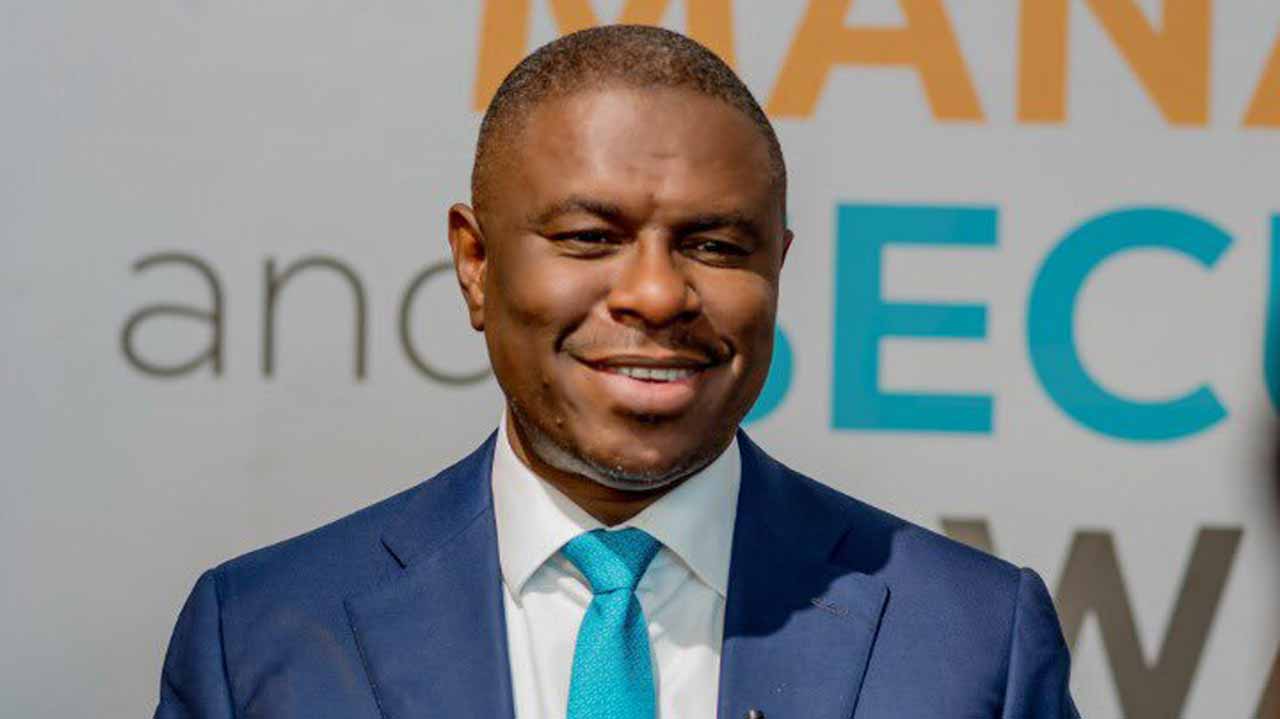
Lamidi is an Associate Professor in the Department of Local Government and Development Studies, Obafemi Awolowo University, Ile-Ife. He can be reached via: [email protected]