What was launched in Lagos on Thursday, August 22, 2024, as The Wale Omole Foundation for Virtues and Ethics in Yoruba Culture is the strategy needed to rescue Nigeria from the appalling moral decline that is making it difficult for the country to progress, thus making the future to appear bleak. By its name, the Foundation may appear meant solely to revive, reinvigorate, propagate and sustain the Yoruba cultural heritage, but in thought and inherent benefits, it is a template for resurrecting and promoting the homogeneous socio-cultural and religious virtues and ethics of every ethnic nationality towards tackling the unprecedented decadence in all facets of the country’s national life. It is obvious that Nigeria has long derailed from the bold and great vision of the founding fathers due to bad governance, corruption, greed, dishonesty, callous disregard for human life, religious intolerance, tribalism, nepotism, and mutual distrust among the people and the ethnic groups. Indeed, virtues and ethics in the country have waned considerably and the situation must be redeemed.
In a way, The Wale Omole Foundation for Virtues and Ethics in Yoruba Culture is a thoughtful and practical response to the trenchant calls for moral rectitude at every step of the national ladder, towards reformation of the country for development.
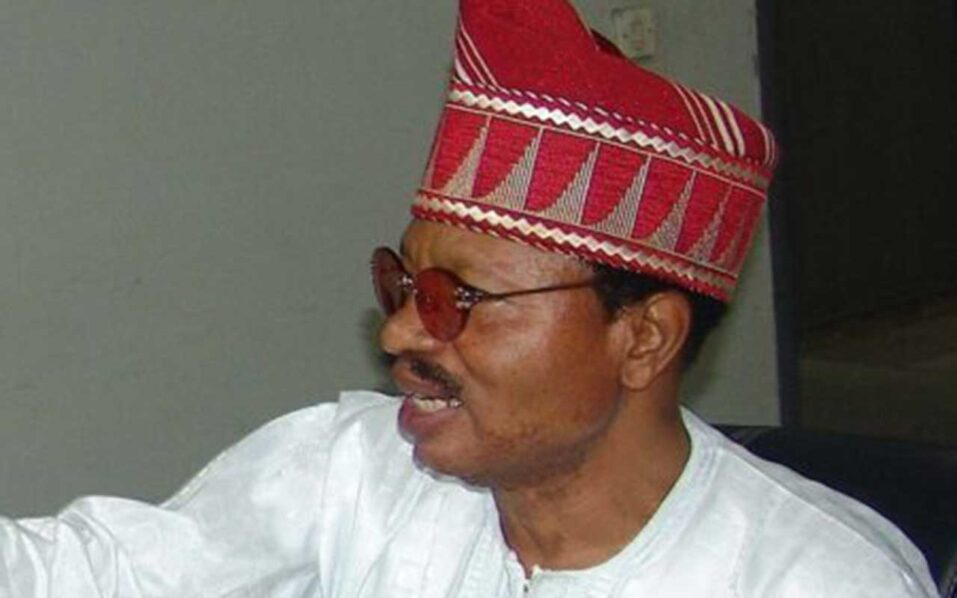
The Founder of the Foundation, Prof. Wale Omole, a former Vice-Chancellor of the Obafemi Awolowo University (OAU), Ile-Ife and current chairman of The Guardian Editorial Board, is a quintessential renaissance man, a warrior for justice, a courageous role model, and an embodiment of ideals of truth, integrity and exceptional performance. The goal of the Foundation by the unwavering advocate for the moral philosophy of the Omoluabi is partly to bring together a global network of people, who share a passion for restoring the dignity of the Yoruba people, preserving the character of the race, and defending, protecting, and sustaining the moral integrity of the Yoruba culture. Basically, the mission is to promote the values that lie at the core of the Yoruba way of life.
At the unveiling of the Foundation, Omole said: “I am driven by a deep appreciation for the lessons and encouragement from history, wisdom from elders whose knowledge is held in special esteem, and the values enshrined in the Omoluabi moral philosophy. The Foundation, through its projects, workshops, seminars, and campaigns, is charting a new path for the Yoruba race, firmly rooted in timeless values.” The Chief Executive Officer of the Foundation, Mr Babatunde Olowu added: “Prof. Omole’s life journey, guided by the values instilled by his parents, has led him to become a beacon of hope and inspiration to many. At 82, he stands at the forefront of a crusade to restore the dignity of the Yoruba people and revive the indestructible spirit and enduring virtues of Omoluabi.”
In defending, protecting and sustaining the moral integrity of the Yoruba culture, the Foundation is basically to provide comprehensive education and training programmes on moral and ethical principles, ultimately creating a society where Yoruba culture is not only preserved but also cherished. Under the guidance and faithful watch of thought leaders, renowned scholars and cultural experts who serve as mentors and courageous role models, the Foundation is expected to make its influence fully felt not only on soils where the culture is firmly rooted but also in every country and every home where people are willing and eager to learn and engage with the vibrant Yoruba culture. Among the projects of the Foundation are: the Iwa Festival of Virtues; MLB Awards (Omoluabi-No Greater Dignity); Words To Grow and Live By; The Beauty of Our People; Sweet Sounds of Home; The Higher Aim of Money; and Insights and Encouragement from Africa.
The relevance of the Omole Foundation to national moral rebirth is established by the fact that most of the problems Nigeria is facing today are traceable to the sad erosion of virtues and ethics. Similar projects are expected to be launched in other cultures across the country towards overall national development. Ethical values such as honesty, fairness, respect, integrity, responsibility, empathy, and compassion, which are common to almost every culture in Nigeria, have a very potent influence on our beliefs about what is good, just and virtuous. Indeed, they play a very crucial role in shaping our character and actions either while serving ourselves or while serving other people, including when we hold public office.
From the bottom to the top of the ladder in this country, virtues and ethics are being sacrificed for all manner of criminality in the shameful race to amass unmerited wealth, leading to slow progress in all sectors. It is worrisome that most institutions naturally and officially saddled with the responsibility of bequeathing to children and young citizens virtues and values that should shape them into responsible adults with good characters are now finding it difficult to do so because of what could be described as growing resistance by the children to imbibe them. This is manifest in the forms of disrespect for elders, laziness, dishonesty, stealing, shunning assigned responsibilities, expecting gratification for running errands for elders, cultism and examination malpractice in schools, including threatening attack on teachers if the subject is not passed, and teachers demanding bribe, or sex from students to pass their examinations.
In the civil service at all levels of government, corruption, indolence, and nepotism are endemic. Justice administration is jaundiced, while justice is sold to the highest bidder. Hospitals and other medical institutions meant to save lives are becoming terrifying places to seek treatment for ailments because of some unethical conduct of professionals. Many patients have died as a consequence. There is callous disregard for human life with terrorist groups killing thousands of innocent people, kidnapping for ransom and killing captives even when ransom is paid, killing fellow human beings for money-making and other rituals, raping, armed robbery, drug abuse and trafficking, and trafficking in persons as well as dealing in fake drugs that have sent many people to early graves.
The situation is worse with the people in the corridor of power, those saddled with the management of the affairs of the country. To them, the virtues and values are unimportant. Some of them have shamelessly said there is no morality in politics. The forgery of certificates, rigging, kidnap and assassination of opponents, sponsorship of thugs and hoodlums to disrupt elections, forgery of election results and reports, and bribing judges to be declared winner of controversial polls in the struggle to occupy political office are criminalities perpetrated by people without respect for virtues and values. On getting to office, many of our political leaders do not consider transparency and accountability in their management of the nation’s affairs important, amid palpable looting and unprecedented levels of corruption while the majority of the people suffer untold hardship. The virtue of compassion for fellow citizens has waned almost irredeemably.
For the country to make progress there must be moral rebirth. There is a need to make Nigerians people of good character, so that when they find themselves in positions, including those of leadership of the country, they will conduct their affairs in a way that will rekindle the hope for a better country. Relevant government agencies, including the National Orientation Agency, should key into the project to explore it towards the delivery of its official mandate. At the same time, intellectuals in other geo-political zones are advised to unveil similar initiatives in their areas to save the country from decadence.