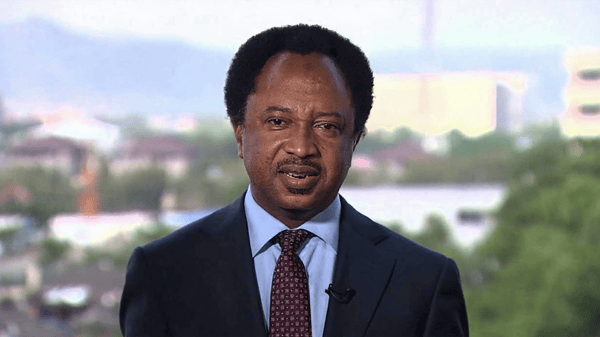
Former senator Shehu Sani has urged Nigerian youths to move beyond online political commentary and actively participate in the country’s political process, insisting that meaningful change can only come through direct involvement and the ballot box.
In a post on X, Sani challenged older Nigerians who criticise younger office holders on social media to channel their energy into practical political engagement.
“You are in your 30s,40s or 50s,your Rep member is in his 30s and your House of Assembly member and Local Government Chairman are in their 20s. Excuse yourself from their comment section on Facebook,X and Instagram; register as a member of a political party and aspire to contest and give your people the kind of leadership you think they deserve” he said.
He argued that spending time attacking elected officials in comment sections does little to improve governance or accountability.
Sani noted that many Nigerians in their 30s, 40s and 50s often complain about representatives who are younger than them, including members of the House of Representatives in their 30s and state assembly members or local government chairmen in their 20s.
According to him, such critics should excuse themselves from online debates and instead register with political parties, contest elections and offer the kind of leadership they believe their communities deserve.
He also referenced recent surveys indicating that Nigerian youths are more active on social media than in mainstream politics, describing the trend as unhelpful for democratic development.
Sani encouraged young Nigerians not to be discouraged by perceptions that politics is only for the wealthy, stressing that many of those currently in power did not have easy beginnings.
“You need to hear the story of most of those you see in power today; it wasn’t an easy ride from the beginning,” Sani said.
Data from the Independent National Electoral Commission showed that while young people make up a significant percentage of registered voters, many did not cast their ballots, raising concerns among civil society groups and political analysts.
In recent months, youth-led organisations and advocacy groups have intensified campaigns encouraging voter registration and political participation ahead of off-cycle elections and preparations for future polls.
Several groups have also called on political parties to lower barriers to entry for young aspirants, including high nomination fees, which critics say discourage grassroots participation.
The federal government and INEC have separately acknowledged the challenge of voter apathy, particularly among first-time voters, and have reiterated commitments to voter education and electoral reforms aimed at strengthening confidence in the democratic process.