After a challenging year for housing in 2025, the sector is entering 2026 with cautious optimism, raising hopes for better prospects for homeless Nigerians, investors, and industry professionals. Stakeholders are concerned about the potential impact of the new tax regime, the sector’s preparation for the 2027 general elections, and the implementation of the recently enacted insurance reforms. At the same time, they anticipate that increased housing supply and enabling government policies could help reduce deficits and strengthen the overall fortunes of the real estate market, VICTOR GBONEGUN reports.
Nigeria’s real estate market is poised for steady growth in 2026, driven by sustained demand across residential, digital infrastructure, and alternative asset classes, even as macroeconomic pressures persist.
Analysts forecast continued expansion in key urban centres such as Lagos, Abuja, and Port Harcourt, supported by rapid urbanisation, population growth, and robust interest from diaspora investors eager to deploy capital in the sector.
Despite positive signals, challenges remain. Inflation, high interest rates, and foreign exchange volatility continue to constrain market dynamics, particularly affecting affordability and construction costs. Developers are increasingly turning to innovative solutions, partnerships, and new funding models to navigate a complex investment landscape.
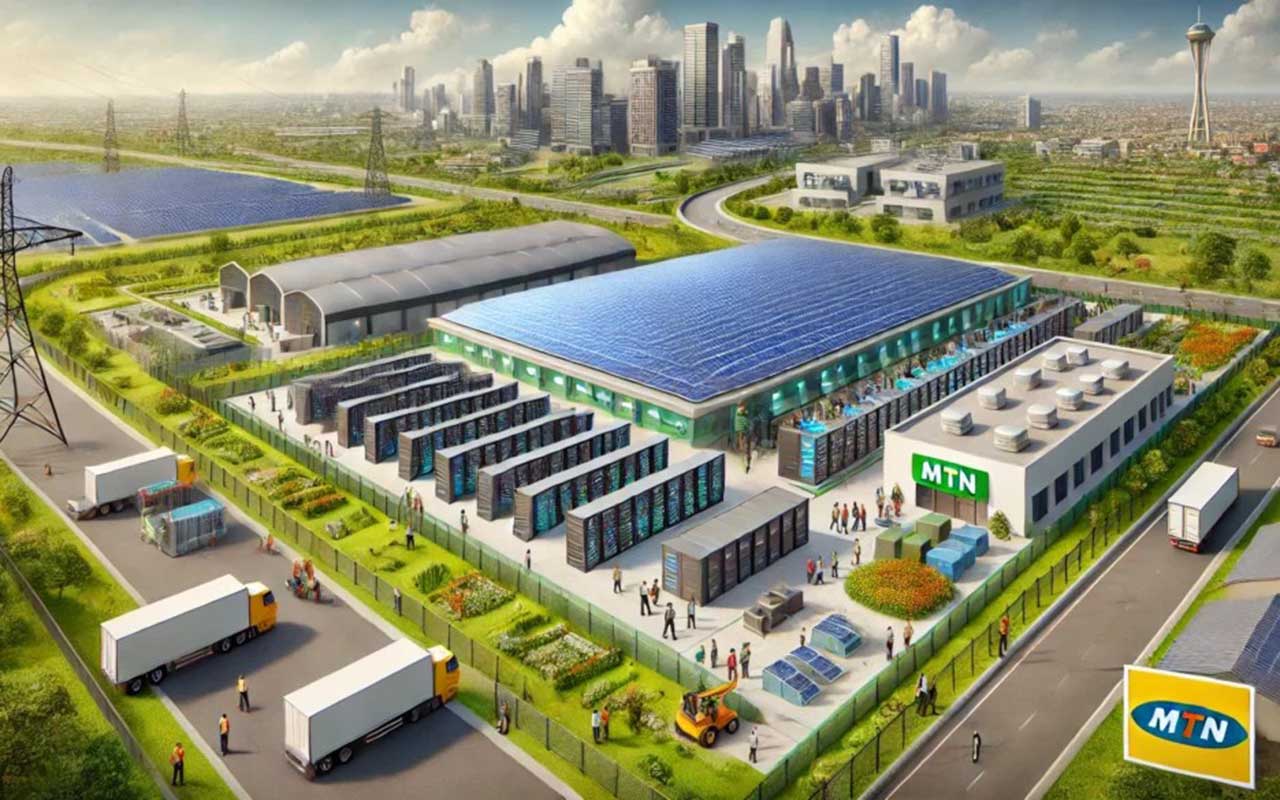
One of the fastest-growing segments heading into 2026 is digital infrastructure, particularly data centres. Rising internet demand, the proliferation of cloud computing, and fintech growth have made Nigeria attractive for large-scale data centre investments. Global operators are exploring opportunities nationwide, positioning data centres as a promising growth asset.
Analysts also expect heightened activity in mixed-use developments integrating residential, commercial, and digital infrastructure, reflecting evolving urban lifestyles and business needs.
Residential demand remains strong
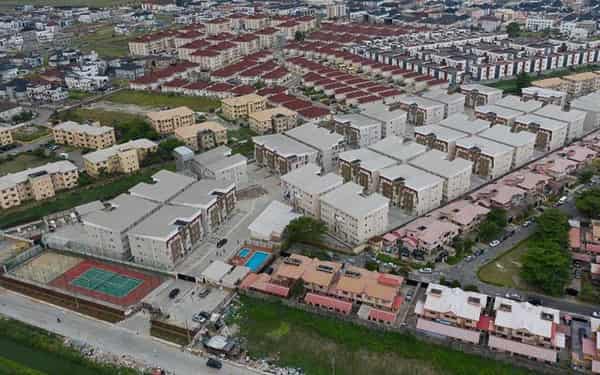
In the residential market, demand is expected to remain robust, especially within middle- and high-income housing. Nigeria’s housing deficit, estimated at over 20 million units, continues to widen, making residential real estate one of the sector’s most critical investment areas.
Affordability remains a hurdle, with rising construction costs and limited mortgage access keeping home ownership out of reach for many Nigerians. Rental prices in prime locations are projected to climb, while the growth of short-let apartments may attract regulatory scrutiny to safeguard long-term supply.
Policy reforms and technology as key drivers
Policy reforms and technology adoption are expected to significantly influence market outcomes. Improved land administration, digital title registration, and clearer planning regulations could boost investor confidence and reduce transaction bottlenecks. Sustainability practices, green building methods, and proptech solutions are also gaining prominence, as developers look to cut costs, enhance efficiency, and meet environmental standards.
Recent data highlights the growing significance of real estate in Nigeria’s economy. The rebased third-quarter 2025 GDP data shows that real estate services account for 13.36 per cent of GDP, ranking third after crop production (23.06 per cent) and trade (16.42 per cent). Real estate has surpassed telecoms and information (7.67 per cent), livestock (6.18 per cent), and crude petroleum and natural gas (3.8 per cent). Construction contributes 3.03 per cent, making real estate and construction nearly 17 per cent of GDP, underscoring their centrality to urbanisation and development.
Government initiatives and infrastructure
Optimism for the sector is closely tied to federal infrastructure initiatives, including road improvements, enhanced power supply, regional hubs for building materials, and a commitment to constructing at least 500,000 homes yearly. Experts noted that the pace of recovery depends on government action to address constraints such as land availability, financing gaps, and infrastructure deficiencies.
Overall, 2026 is expected to present challenges, including affordability constraints, regulatory changes, and election-related uncertainties. Yet analysts remain cautiously optimistic. Housing demand, particularly for affordable and middle-income units, continues to outpace supply, while digital infrastructure and mixed-use developments are expected to drive growth in the broader market.
Experts agreed that success in 2026 will hinge on government action, innovative financing, technological adoption, and strategic diaspora and international participation. For professionals, proficiency in proptech, data analytics, and emerging housing models will be critical to navigating an evolving sector.
Chairman of the Nigerian Institution of Estate Surveyors and Valuers (NIESV), Rivers State chapter, Nwokoma Nwankwo, said demand is expected to continue outpacing supply due to urbanisation and population growth.
“Property prices are likely to keep rising in major cities like Lagos and Abuja, especially as infrastructure projects and urban expansion continue. The rental market will remain strong, particularly for smaller, affordable units,” he said.
Nwankwo highlighted strong investment interest from diaspora and international capital, driven by real estate’s potential as a wealth and income asset, particularly in residential and rental properties. Housing supply and development models will increasingly shift toward affordability and efficiency.
“Blended finance that lowers mortgage rates and enables middle-income access, as well as modular and prefabricated builds, could reduce costs and accelerate delivery. Build-to-rent schemes and smaller units will be in demand, as traditional homeownership remains elusive for many Nigerians,” he added.
Technology and public-private partnerships
Public-private partnerships and government programmes, such as Renewed Hope Cities, will remain vital for large-scale housing delivery. Proptech adoption is expected to deepen, with digital land titling, online marketplaces, blockchain-enhanced transactions, and AI tools improving transparency and efficiency.
“Tech-enabled construction methods will help cut costs and timelines. Data and analytics will shape investment and pricing decisions, while digital platforms will expand access to information for buyers and renters,” Nwankwo noted.
He advised professionals to build technical and market skills while becoming proficient in proptech and data analytics. Understanding modular construction, affordable housing models, government policies, blended finance options, mortgage innovations, and public-private partnerships will be key. Monitoring macroeconomic indicators, such as inflation, mortgage rates, and forex trends, will help assess their impact on property costs and demand.
Cautious optimism among industry leaders
President of FIABCI-Nigeria, Akin Opatola, expressed cautious optimism. “There will be opportunities, but it may be a challenging year, particularly for professionals,” he said, citing the newly enacted NIIRA law and impending tax reforms on property transactions. Estate surveyors and valuers will have opportunities to value public and private buildings, but must adjust operations and consult tax experts to remain compliant.
Opatola emphasised that government infrastructure policies will significantly influence real estate performance. “Projects like the Lagos–Calabar Coastal Highway, the proposed Fourth Mainland Bridge, and a second Lagos international airport will be game changers. The Renewed Hope Housing policy, targeting at least 5,000 homes per state, will boost affordable housing supply.”
He added that ongoing construction projects could yield meaningful gains in housing supply. “Cement prices remain high, affecting affordability, particularly for lower-income households. Policies on insurance and taxation can build investor confidence. We need to attract diaspora dollars, which are critical to sustaining investments in real estate and construction,” he said.
Former President of ATOPCON, Muyiwa Adelu, highlighted land availability and infrastructure as critical to affordability. “Access to land in developing areas is a major challenge, particularly in Lagos and increasingly in Abuja. Combined with rising construction costs and government levies, the total cost of housing continues to escalate.”
He suggested vertical housing designs could address space constraints, citing Lagos Island, where 50- to 60-floor buildings are now permissible. “Government must proactively provide infrastructure such as roads, water, and electricity. Investing in housing infrastructure ensures returns on capital and addresses the housing deficit,” he noted.
Adelu urged professionals to prepare for growing diaspora involvement. “Many Nigerians abroad are interested not only in purchasing homes but also participating in projects. Integrating international expertise with local knowledge will be key to developing a robust and sustainable housing sector.”
Investor caution and election-year risks
Former NIQS Lagos branch chairman, Jide Oke, noted that investors would be cautious due to tax policies and the election year. “Material prices have been high but relatively stable. Political activities, particularly during elections, could strain the naira, increasing construction costs. Investors should complete projects before mid-year to avoid further escalations,” he advised.
Oke also noted that project delays could affect both new construction and renovations. Trends such as green building, carbon management, sustainable construction, and technology adoption will likely define the sector in 2026. He urged the government to stabilise the economy, reduce reliance on imports, and enhance power supply and local manufacturing to ease pressure on developers and investors.