 Follow Us on Google News
 Follow Us on Google Discover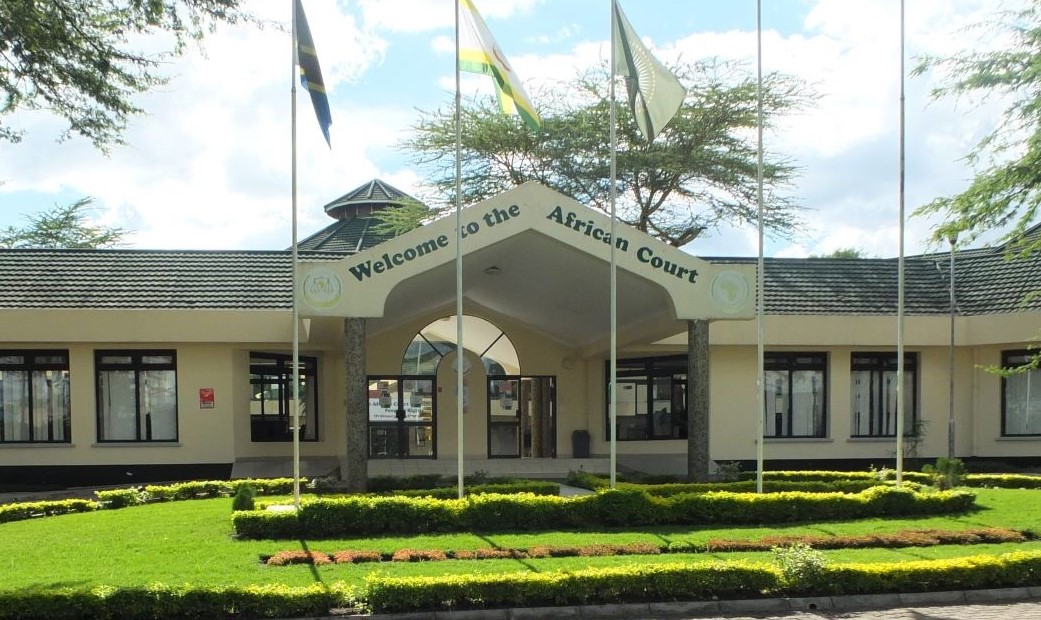
The Registrar, African Court on Human and Peoples’ Rights, Dr. Robert Eno, has disclosed that the court is working with policy organs of the African Union, its Executive Council, as well as the Assembly to ensure implementation of its decisions.
Speaking, yesterday, at the opening of a capacity-building programme for media practitioners within the continent, the Registrar said the court can no longer sit and watch its decisions flagrantly undermined by member states. “We are coming up with a mechanism for the court to follow up on the implementation of its decisions,” he said.
He said non-implementation of the court’s decision by member states is worrisome, noting that the development has serious effects on judges as well as prospective applicants.
[ad]
According to him, failure of member states to implement the decisions of the court defeats the very purpose for which it was established and weakens public confidence in it.
The Registrar said: “The only sanction opened to the African Union may not exceed economic sanction or suspension of the country. It does also not have the police force to monitor implementations.
“I don’t think the continental body has got to the level where it can impose sanctions for not implementing the decisions of the court. At the moment, the Union is only encouraging states to ratify the protocol. Only 31 countries have ratified the protocols of the court.”
Out of this number, however, only six, excluding Nigeria, have adopted the Deposit of Declaration, an undertaking that empowers individuals or Non-Governmental Organisations (NGOs) in a country to bring application against the country before the court.
Eno admitted that in ensuring compliance to rules, regional bodies are stronger than the continental union.
Speaking on Nigeria’s commitment to the court, Eno said while the country has ratified the protocol, he is hopeful that the recent visit of its Vice President, Yemi Osinbajo, to the court will make the country embrace the Deposit of Declaration.
Meanwhile, President Muhammadu Buhari, yesterday, stressed the need for governments to renew social compact with the citizenry to improve governance, development and build institutions that promote inclusive security and prosperity.
This was one of the highlights of the address at the fifth Conference of the Network of African Parliamentarians for Defence and Security Committees of the House of Representatives.
In a speech delivered by Osinbajo, Buhari said the renewal of the social compact will ensure that no segment of the Nigerian population feels alienated and marginalised.
The Conference is a strategic platform that brings together lawmakers from across Africa, as well as representatives of the African Union (AU), the Economic Community of West African States (ECOWAS) and the European Union (EU) to exchange ideas, share experiences and deliberate on common approaches to addressing threats to the continent’s collective security.
[ad]

