 Follow Us on Google News
 Follow Us on Google Discover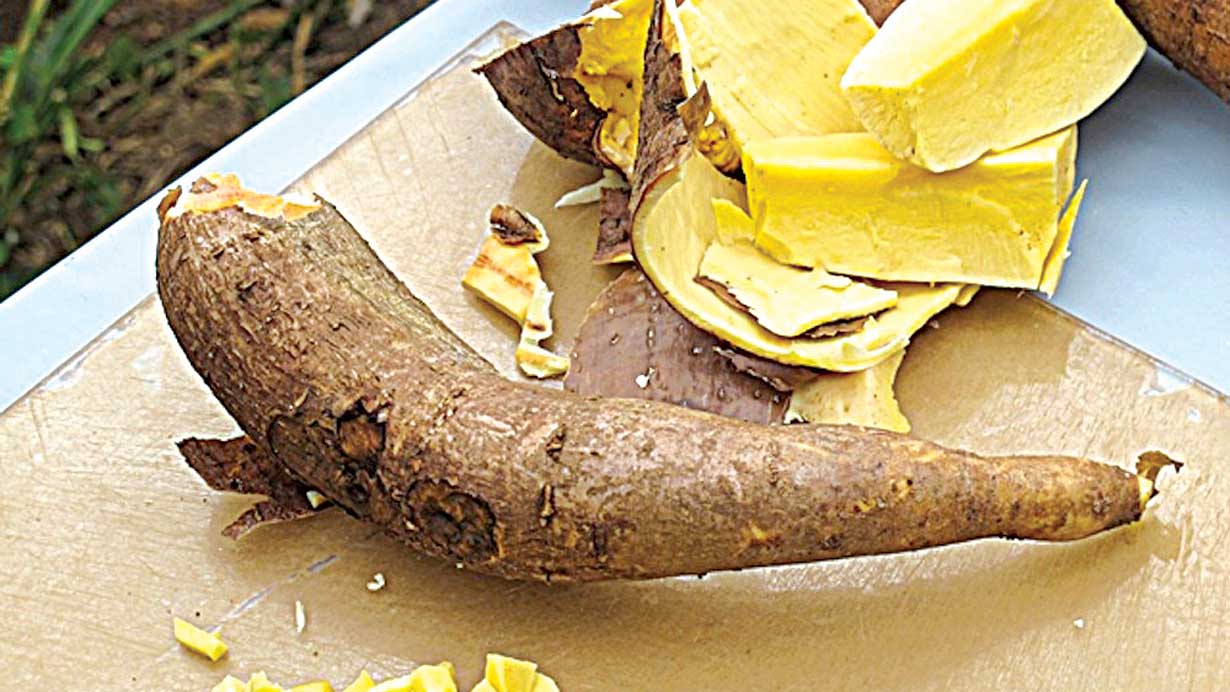

The African Union recently declared year 2022 as the Year of Nutrition for Africa, as part of initiative to fight hunger and malnutrition on the continent.
The forum was used by the continent’s Heads of State, to send powerful signals to its 55 member states to prioritise better nutrition and health for their citizens — especially children, who are most vulnerable.
The move stems from the worrying rate of childhood under nutrition, which has been an issue of great concern to national and global stakeholders. Even before the COVID-19 pandemic took hold, reports have it that an estimated 61 million African children under five to 31 per cent of that population — were stunted, and 60 per cent suffered from debilitating anemia.
Experts claim that beyond the direct human toll, poor childhood nutrition is placing the continent’s economic progress at risk.
[ad]
The World Food Programme (WFP) infers that child under nutrition costs countries in Africa up to 16.5 per cent of their National Gross Domestic Product (GDP) yearly.
While research has shown that efficient school meal programme is a sure strategy to address childhood malnutrition, including micronutrient malnutrition, the ineffectiveness of the programme in Nigeria, seems to be a stumbling block to tackling the malnutrition debacle in a country credited with two million children suffering from severe malnutrition.
Over the years, reports have it that the Federal Government and some private organisations had shown commitment in nutrition to address the ongoing nutrition challenge in the country.
The move gave birth to cultivation of nutrient-enriched varieties of maize, Orange Flesh Sweet Potato (OFSP), cassava, and other crops that are already grown by some smallholder farming households in the country.
These are considered as nutrient-enriched biofortified staple crops. The crops are bred to be rich in micronutrients — notably iron, zinc, or vitamin A — which are essential to children’s health and development.
But despite the initiative, the challenge seems to have remained unsolved, as cases of malnutrition increased at a galloping rate, due to non-availability of the crops. One question begging for answers is where are the crops?
While a section of Nigerians and some nutrition experts claim farmers are not embracing the cultivation of the varieties, the Interim Country Manager, HarvestPlus, Dr. Yusuf Dollah Fou’ad blamed the challenge on inadequate awareness and sensitisation.
[ad]
“It’s not true that farmers are not embracing the crops. For instance, if we look at maize, the varieties are competitive. In the breeding of maize, what farmers consider most in the adoption of any variety is the yield. Farmers don’t care if the variety has some nutrients or vitamins or minerals, their own problem is just the yield. So once the yield is low, or poor, the farmer will not adopt.
“This is what we consider in breeding the variety – we first consider the competitiveness, again you look at the colour if it’s appealing, the taste and the weight. It’s a movement; we just have to have more people coming, for us to increase the awareness, for us to do more sensitisation.”
Yusuf said the issue of malnutrition has remained unsolved largely due to the fact that 75 per cent of Nigeria’s population lives in rural areas, leading to the continuous nutrition challenge.
“It’s not that the fortified crops and foods are not readily available across the country, the truth of the matter is that 75 per cent problem of nutrition in the country is concentrated within the rural areas, whereas 25 per cent are found in urban areas. That’s why we have this issue, that’s why we have the nutrition challenge.
“In fact, it’s a bit better in the South, in the North, it’s a crisis. So we are concentrating on creating access to quality and improved seeds to buy and produce so that everybody can have access to nutritious foods and eat. This time of every year, we do pre-season activities before the season sets in, we now do this matchmaking exercise between the agro-dealers and the seeds company.
“This is the most important thing in agriculture — access to seed, no matter what intervention you do, if you don’t create access to seeds, it won’t work, that’s just like the basics. These variables are available; in Nigeria we have over 23 seed companies that are multiplying the varieties of the nutritious foods, most especially the maize.
“What we need now is to get the buy-in of the politicians and the state governments, let them also come and get involved to massively invest in the nutritious crops; this will help a lot.”
[ad]
The co-founder and Chief Executive Officer of CATO Foods, Osun State, Mr. Pelumi Aribisala, who criticised state governments for not keying-in into the initiative, said some of the challenges faced by the biofortified crops, especially cassava at the initial stage — was the issue of dry matter content due to the fact that the biofortified cassava is low in dry matter.
“So many farmers ran away from it because processors don’t buy it from them, and that discouraged farmers. However, with the new varieties now developed and released, and with awareness, I believe that more farmers will come on board.
“The biofortified maize is common in the North; the cassava is common in the south. You’ll agree with me that the population of Nigeria is over 200 million, biofortified crops are about a decade in the country, and so we don’t expect that the adoption rate will be so high. “State governments are not keying into it, and that’s also one of the things that have been discouraging the adoption. For instance, in Osun State, there was the use of the Orange Flesh Sweet Potato (OFSP), it also created a lot of job opportunities for young people who became active in the cultivation and supply chain. The school feeding programme in Osun and the entire country has had some challenges. One of the things I can say is that the stakeholders’ composition was not properly done. The farmers and young persons that can take these crops as businesses fully are not carried along in the composition of their committees and all of that and there is no sustainability, no continuity.
“Biofortitied foods are things that state governments are supposed to key into, as a cost effective way of addressing malnutrition, because it has the capacity and the potential to address malnutrition, potential to create jobs, and also has the potential to address food security challenges. Government is also supposed to encourage MSMEs and SMEs in the development of value chain of the discourse.”
[ad]

