 Follow Us on Google News
 Follow Us on Google Discover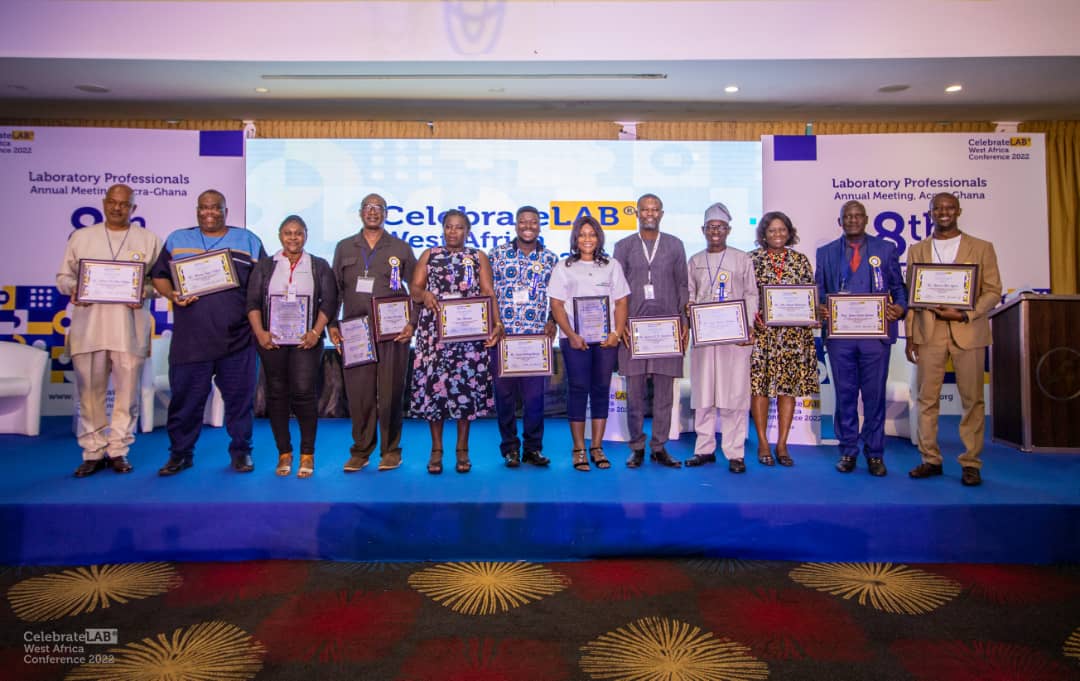

West African medical laboratory and research scientists have urged countries to move fast and put measures in place in readiness for another pandemic, saying it is only a matter of time before the world experiences a new disease outbreak after COVID-19.
In a communique issued at the end of their CELEBRATELAB West Africa 2022 conference held recently in Accra, Ghana, delegates noted that it took just a spate of three to four years between the outbreak of three epidemics (the Spanish Flu, Avian Flu MERS) and the ongoing COVID-19 pandemic unlike older outbreaks, which took longer time between their occurrences.
[ad]
“Based on the period – January to March – when the world was alerted on Covid-19 and later declared a Public Health Emergency of International Concern (PHEIC), and how countries moved quickly from one case to thousands and millions of cases in a matter of days, countries must move faster to put measures in place in readiness of the next pandemic and epidemic,” the scientists urged.
The communiqué, which was signed jointly by the Chief Executive Officer of Africabio Enterprises, Liberia and Conferenced organizer, Candace Eastman; HUF for the Advancement of Military Medicine, Nigeria Edward Akinwale and President, Ghana Association of Medical Laboratory Scientists (GAMLS), Dr. Abu Rahamani, noted that COVID-19 pandemic has caused West Africa “hugely in mortality, morbidity, social relations, loss of jobs and economic hardships, driving more people into poverty.”
They affirmed that the pandemic exposed the gaps in West Africa’s health sector and uncovered the sub-region’s diagnostic challenges.
They also noted that the initial difficulties with obtaining testing kits and other diagnostics supplies affected the region’s response to the pandemic.
Additionally, the challenges in securing vaccines at the unset of the vaccine deployment across the world, highlighted the need for West Africa to work relentlessly towards achieving self-sufficiency in vaccines, diagnostic kits and materials, and other medical supplies, they further said.

Stating that the sub-region has, like the rest of the world, learnt important lessons from Covid-19 pandemic and other diseases outbreaks such as the Ebola Virus Disease, Lassa Fever and Dengue Fever among others, the delegates urged that the lessons learnt should be applied in critical policy formulation and programmes to strengthen the sub region’s health systems to combat infectious diseases and future pandemics.
Participants noted that COVID-19 pandemic has highlighted the importance of laboratory diagnostics in disease surveillance and healthcare outcomes, and acknowledged the critical role Medical Laboratory Professionals have played in building diagnostic and surveillance capacity in Africa during the Covid-19 pandemic.
Furthermore, participants commended their involvement in contact tracing, case finding, sampling, specimen transportation and diagnosis of the disease.
“The ability to ensure adherence to routine (Standard Operation Procedures (SOPs) and documenting new guidelines for laboratory response during a pandemic is critically for areas such as chain of information, specimen collection and transportation, biosafety, and introduction of new products,” the communiqué also read.
[ad]
On vaccine production, the delegates stressed the need for Africa to achieve the African Union target to produce at least 60 per cent of vaccines used in the continent by 2040, as against the one per cent vaccine produced in Africa before the Covid-19 pandemic, to ensure availability of affordable, high quality and accessible vaccines throughout the continent.
The conference thus urged West African governments to build diagnostic and research expertise to meet vaccine manufacturing in Africa for Africa.
To this end, the delegates commended Ghana, Senegal and Rwanda for their partnerships with BioTech for vaccine production and called for wider collaboration by other countries in the sub region.
The delegates also resolved to support all interventions by governments in the efforts to build local capacity for manufacturing of vaccines and other health care products to achieve self-sufficiency in combating infectious diseases in West Africa and to prepare for the next disease outbreak, when it does come.
The communiqué further stressed the need to scale up training of Medical Laboratory Scientists, adding that regulators of Health laboratory science in West Africa such as the Allied Health Professions Council and national medical laboratory professional bodies must work to speed up the process of instituting the licensure examination of graduate professionals, using the Medical Laboratory Science Council of Nigeria template.
Similarly, the delegates called on Health Ministries across the sub region to engage more professionals to build the diagnostic capacity of public healthcare facilities and to increase the professional to patients ratio saying.
This, they said, will take another 400 years to achieve the accepted ratio as pertains in developed countries like the United Kingdom at the current rate of training in the sub region.
[ad]
The scientists, however, urged that untrained and unlicensed people should not be allowed to practice in medical laboratories, saying this amounts to promoting quackery.
They called for stronger regulations and the setting up of Medical Laboratory Science Directorates at national ministries and regulatory agencies of laboratory science in the sub-region
The conference urged all Laboratory Professionals across the West Africa sub region to safeguard the practice of laboratory science and advocate to ensure that only licensed and trained professionals are allowed to practice the profession.
[ad]

