 Follow Us on Google News
 Follow Us on Google Discover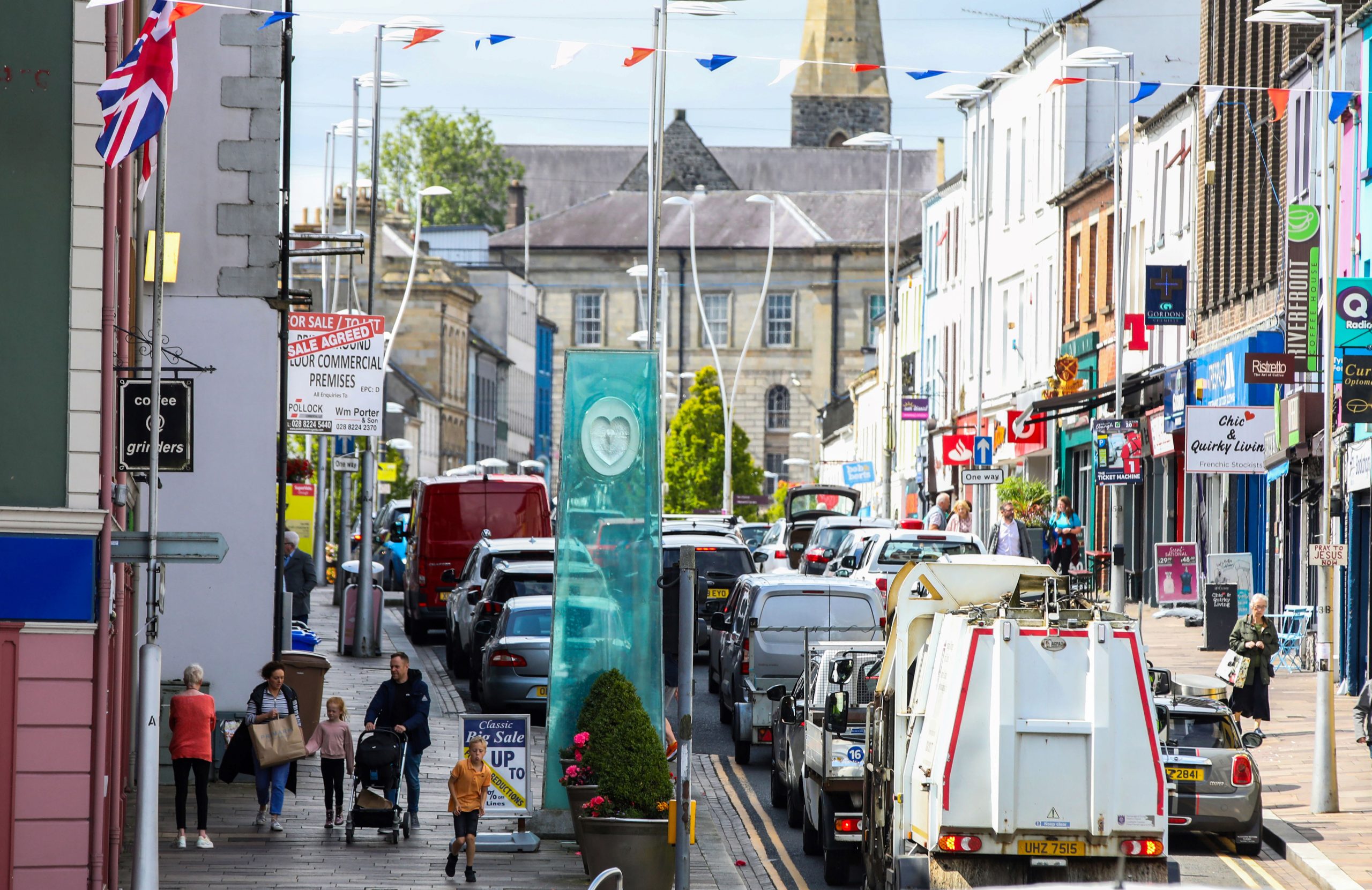
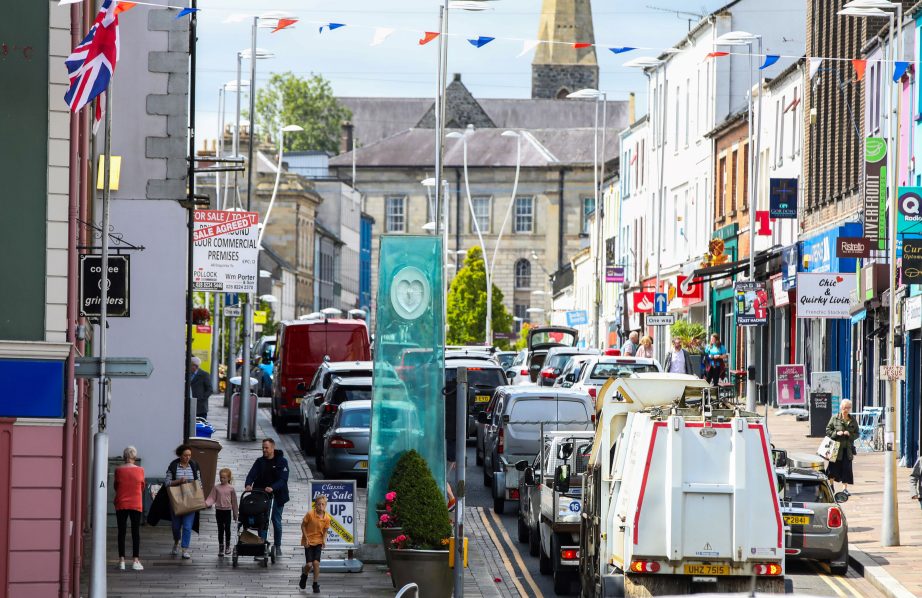
Victims’ families, survivors and dignitaries gathered on Sunday to mark the 25th anniversary of the Omagh bombing, the deadliest attack in the period of sectarian violence in Northern Ireland known as the “Troubles”.
[ad]
On 15 August, 1998, a massive car bomb planted by dissident republicans tore through Omagh’s busy town centre killing 29 people and injuring 220.
The memorial service, organised by victims’ groups and the town’s churches forum, was held in Omagh Memorial Garden with a separate, private service to be held for families on Tuesday, the actual anniversary.
The 1998 blast took place four months after the signing of peace accords aimed at ending three decades of conflict over British rule in Northern Ireland that claimed 3,000 lives.
Perpetrated by the Real IRA, a dissident republican group opposed to the peace deal, the attack rallied the public around the Good Friday Agreement struck between pro-UK Unionists and pro-Ireland Nationalists.
Sunday’s memorial began with a traditional lament played on Uilleann pipes, the national bagpipe of Ireland, followed by hymns, bible readings and prayers in English, Spanish and Irish, reflecting the nationalities of those who died.
The names of the 29 victims were read out and a period of silence was held in their honour.
[ad]
After a blessing by Catholic and Protestant clergy, Michael Gallagher, whose 21-year-old son Aidan died in the attack, offered thanks to “those we have lost upon the way who were instrumental in rebuilding the hearts and minds of those affected by this atrocity”.
He called the memorial “a powerful testimony to the community spirit and cohesion 25 years after our small town was ripped apart.”
Northern Ireland Office minister Jonathan Caine and Irish Minister of State for European Affairs and Defence Peter Burke were among those paying their respects.
Earlier this year, the UK government announced an independent inquiry into the Omagh bomb to probe whether the attack could have been prevented.
The inquiry follows a judge’s recommendation in 2021 that the government investigate alleged security failures in the lead-up to the attack.
Victims’ families and survivors of the blast have faced years of legal wrangling over the bombing through a series of inquests, criminal and civil cases and appeals, but nobody has ever been convicted for the atrocity.
In February, senior police officer John Caldwell was shot in an assassination attempt by dissident republicans on the outskirts of Omagh.
The attack, which was later claimed by the New IRA, recalled the routine targeting of police officers during the Troubles.
The last police officer murdered by dissident republicans, Ronan Kerr, was killed in Omagh in 2011 when a car bomb exploded outside his home.
[ad]

