 Follow Us on Google News


 Follow Us on Google Discover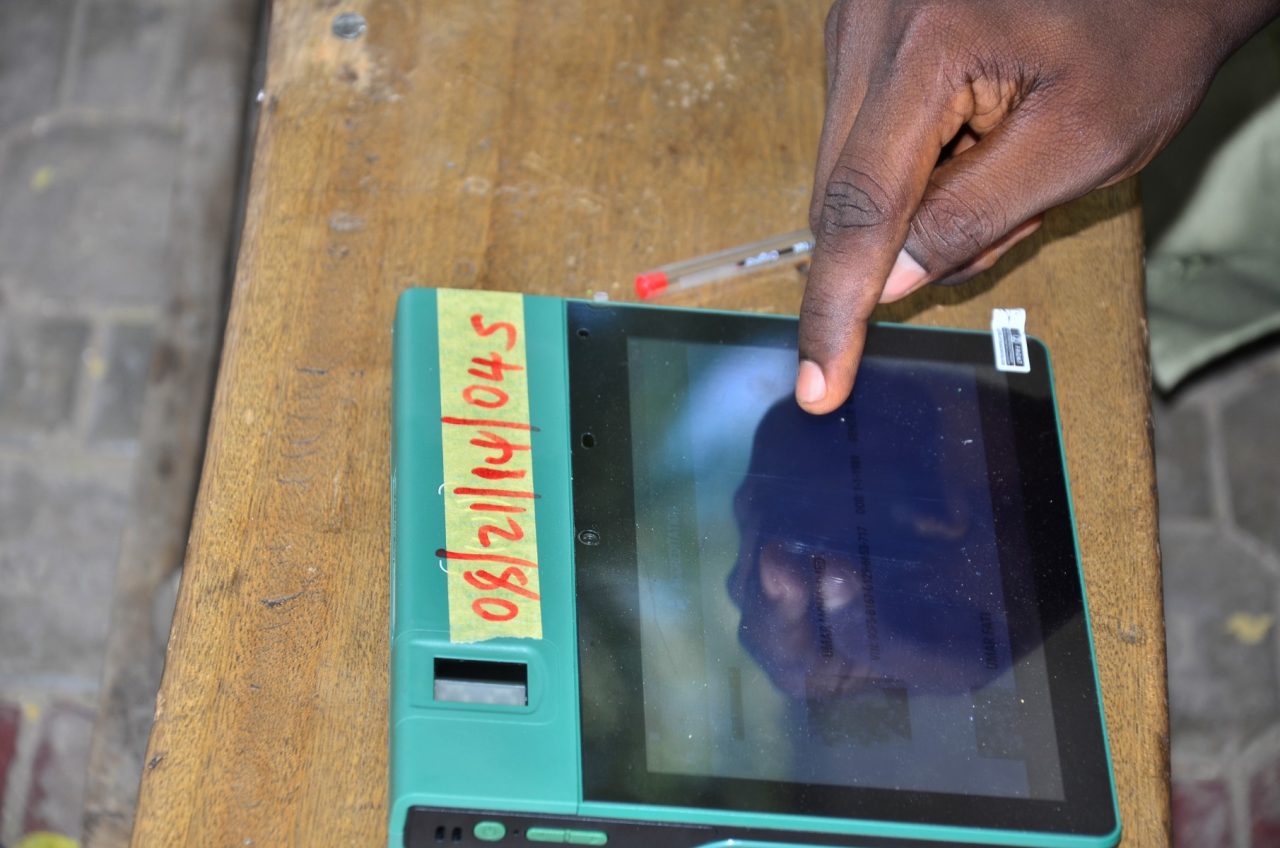

SIR: The electoral process has become a very costly undertaking in Nigeria. For a general election involving the House of Representatives, the Senate and the Presidency in a vast country like ours, the cost runs into several hundred billion of naira. This is made up of costs of ballot paper printing, procurement of ballot boxes, polling booths, printing of various forms, inks and ink pads, reflective jackets and several other requirements.
[ad]
Then add on the costs of authentication equipment (BVAS), Irev, servers and bandwidth. Consider the humongous logistics costs of bulk distribution, storage and final distribution across the length and breadth of this country with security requirements from arid parts of the north to the creeks of the Niger Delta. Aircraft, boats and canoes as well as lorries, cars and donkeys were all deployed. The crisscrossing of the country by air of INEC operatives and officials, meeting costs (venues, refreshments, posters, publicity etc.), Television appearances, advert placements and voter education engagements all cost a lot of money.
We must not forget to add other costs peculiar to Nigerian elections. We shut down the economy through statutory restriction of movements across the land. Shops close. Transportation businesses and markets close. So do flights, schools, railways, waterways, entertainment hubs and event centres. To enforce this and ensure public safety as well as to ostensibly curb cross-constituency violent rigging, the entire law enforcement arsenal of our country is mobilised and put on red alert with additional allowances for this special duty that lasts several days. These forces have to be moved around and so vehicles have to be hired, fueled and, in some cases, hotel or other accommodation provided. Is it any wonder that the cost of running our general election would be enough to run a geopolitical zone of six states for one year? Just to select our leaders!
[ad]
That is not the end of the costs. On the candidate’s side, only they can tell how much they spend on consultations, mobilisation, primaries (buying and selling), campaigns and the election itself. Leaders need to be settled; party agents must get paid else they change colours like chameleons on election day to your own detriment. Then results are released, and you would think that these costs will abate. That is not the case for those who genuinely feel shortchanged and head to the courts.
Lawyers and sycophants convince even the candidates with the slimmest or no chances of victory at all to head to the election tribunals. The costs here are enormous. SANs do not come cheap, especially the ones with high visibility in such endeavours. Some candidates sell their real estate in order to pay for this last-ditch effort at getting elected and lawyers smile to the banks. Sometimes, a recourse to appellate courts is embarked upon – a single appeal stage for presidential candidates and two for governors and parliamentary candidates. All these steps burn millions of naira of our commonwealth and the resources of our compatriots offering to serve!
I have merely done a qualitative overview of the costs involved in our general elections and the list is undoubtedly inexhaustive. There are hidden ones that have the colour of bribery but, as such are never issued receipts, they are difficult to identify or quantify. The question is: are these costs worth it? Are there cheaper alternatives to the extant process that can give us qualitative leaders at less cost?
Austin Isikhuemen, manufacturing consultant and public affairs analyst, wrote in from Lagos.
[ad]

