 Follow Us on Google News
 Follow Us on Google Discover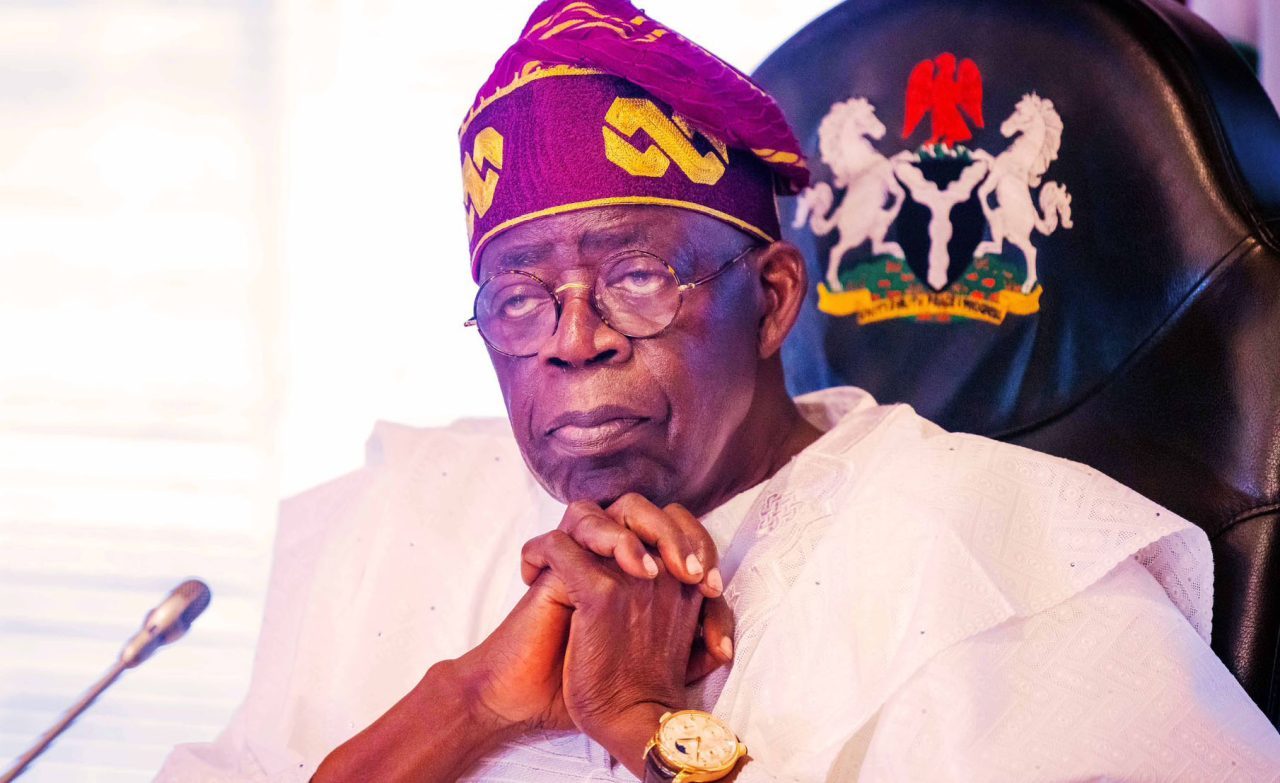

Barely a week into office, Tinubu suspended the Governor of the Central Bank of Nigeria (CBN), Godwin Emefiele, and eliminated the multiple exchange rates, which had facilitated currency arbitrage. This enabled Nigerian banks to bid freely for dollars, which had been in short supply and resulted in international payment delays. While the liberalisation of the foreign exchange market was immediately lauded by international businesses, the CBN’s removal from the process resulted in an abrupt free float, with the Nigerian naira losing roughly 40 per cent of its value.
[ad]
Central to restoring fiscal stability was the abolition of a 50-year-old fuel subsidy, which had underpinned the social contract in Nigeria, enabling citizens to derive tangible benefits from a government that has failed to harness its enviable natural resource wealth to deliver quality public services. To some extent, Tinubu’s hand was forced when the outgoing government declined to make provisions for the subsidy in the federal budget beyond June 2023, but it was Tinubu who confronted the issue head-on.
The president now appears to be wavering over intervening in the sector, with his spokesman Ajuri Ngelale stating, on 15 August, that Nigeria can stabilise pump prices irrespective of global shifts in crude markets. This marks a risk of a return to the interventionism of the Buhari administration, whether it be through direct subsidies, or via prioritising fuel importers over other industries.
President Bola Tinubu can take stock with a track record of sustained reform, resilience and transformation. Tinubu’s introduction of bold shifts in monetary policy and the dismantling of longstanding subsidies defy conventional expectations of Nigerian politics. These actions reflect not only a desire for change but also a recognition of the intricate web that connects technical innovation, political strategy, and sustainable growth.
[ad]
However, as the clock continues to tick forward, Tinubu will need to confront the socio-economic realities, competing political interests and extant institutions benefitting from the status quo, and which stand to forestall the administration’s reform agenda. Thus, the road yet travelled is fraught with challenges. Tinubu will need to demonstrate astute and visionary leadership, clear policy directives and the unyielding commitment to navigate these complexities.
Forging ahead with his “Renewed Hope” agenda will demand not only a steadfast resolve but also the capacity to build consensus among diverse stakeholders. Clear, concise and innovative policy directives will be the blueprint for attaining tangible process. In this intricate tapestry of change, inclusivity, adaptability and a deep understanding of the techno-political landscape will serve as the lodestar, guiding President Tinubu’s administration towards delivering on its promise of renewed hope.
Agwu Ojowu is a Senior Consultant on political economy and climate markets across sub-Saharan Africa. He can be reached at [email protected].
Nick Branson is an Associate Director based in London, where he leads work on the energy transition, and advises investors in renewables, green hydrogen, LNG and critical minerals.
[ad]

