 Follow Us on Google News


 Follow Us on Google Discover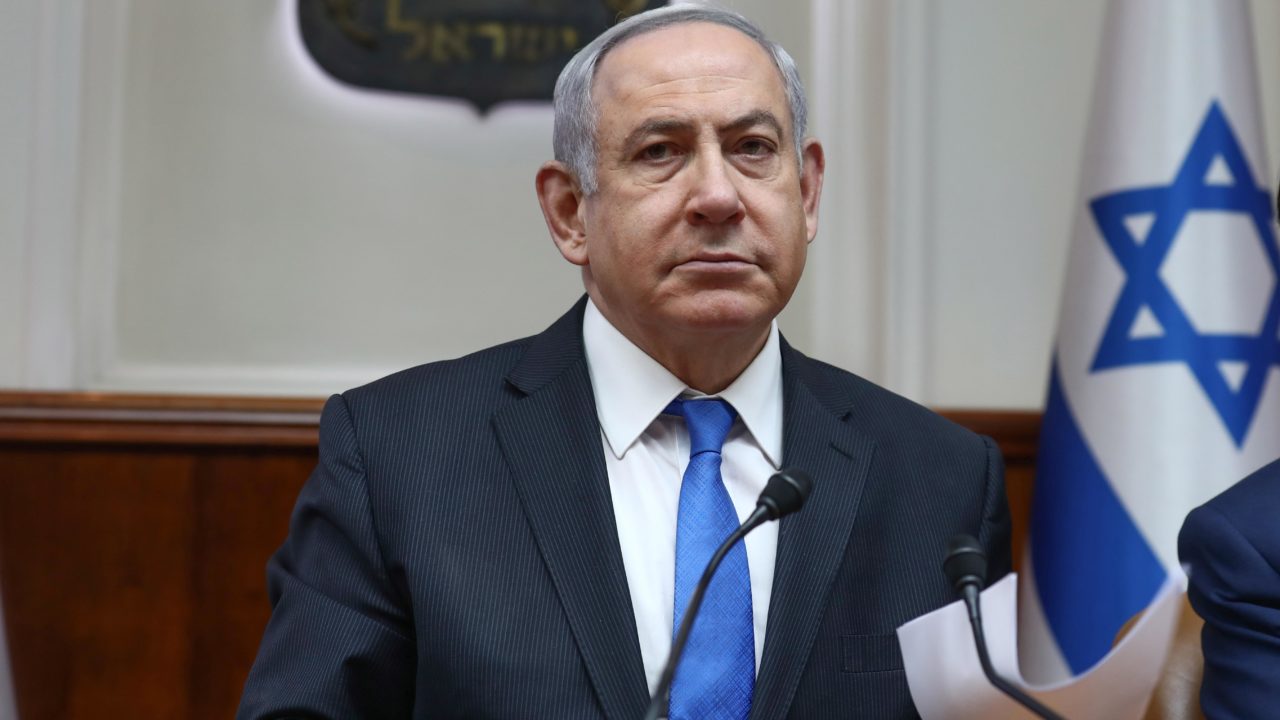

Israel’s Prime Minister Benjamin Netanyahu ruled out a ceasefire in Gaza on Thursday, saying the military was performing “exceptionally well,” but insisted Israel does not plan to reoccupy the Palestinian territory.
[ad]
“A ceasefire with Hamas means surrender,” he told Fox News, adding there was no “timetable” for the military offensive.
“I think the Israeli army is performing exceptionally well,” he added.
“However long it takes, we’ll do it.”
Israel has vowed to destroy Hamas after the militant group poured across the border from Gaza on October 7, killing 1,400 people, mostly civilians and taking around 240 people hostage, according to Israel.
The retaliatory aerial bombing and ground offensive has killed more than 10,800 people in Gaza, mostly civilians and many of them children, according to the Hamas-run health ministry.
Netanyahu said Israel has no plans to remain in Gaza longterm.
[ad]
“We don’t seek to govern Gaza. We don’t seek to occupy it, but we seek to give it and us a better future,” he said, adding that Israel does not “seek to displace anyone.”

Pushed on his plan for Gaza’s future, he said the impoverished and blockaded territory must be “demilitarised, deradicalised and rebuilt.”
“We’ll have to find a government, a civilian government that will be there,” he added, without detailing who might form such a government.
And he said Israeli forces would have to remain ready to reenter Gaza and “kill the killers”.
“That’s what will prevent the reemergence of a Hamas-like entity.”
The October 7 attack and subsequent conflict came as Israel moved closer to a peace deal with Saudi Arabia, building on the so-called Abraham accords that normalised ties with several Arab countries.
Netanyahu insisted the conflict would not torpedo diplomatic momentum and that conditions would be “ripe” for negotiations to resume after Israel destroys Hamas.
“I think conditions will be ripe. In fact, after a victory, I think they’ll be even riper.”
[ad]

