 Follow Us on Google News


 Follow Us on Google Discover
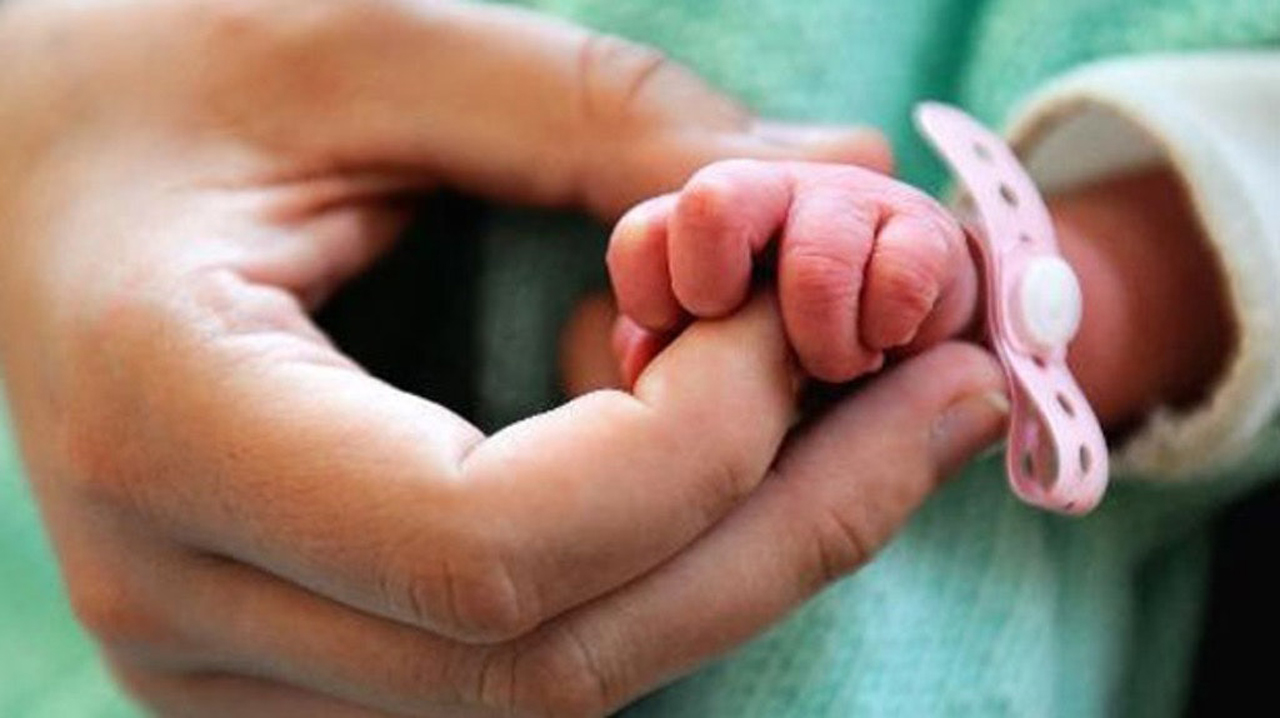
A non-governmental organization, Centre for Communication and Social Impact (CCSI) has challenged Media practitioners to prioritize salient issues around women’s gender health in their daily reportage.
[ad]
The centre wants critical attention to be paid to maternal and newborn mortality, child spacing, post-maternal depression, and exclusive breastfeeding among other gender-sensitive issues.
At the just concluded one-day workshop organised for Kano-based journalists held in Kaduna on media advocacy for women’s health with support from Pathfinder International, CCSI said the role of the media in holding government accountable to challenges on women’s health should be reactivated.
The technical advisor of the program, Mr. Oluyemi Abodunrin, reminded journalists of the need to always explore available data to enhance public attention on women’s health reportage.
[ad]
Abodunrin said this could be simply achieved by initiating women’s health-related topical issues to hold people in power accountable through investigative journalism and fair and balanced reporting.
“You don’t just use data percentage; you need to operationalize the data by putting human angle to the figures especially on women’s health to raise awareness about their challenges,” he said.
Abodunrin advised the health journalists to also use their reports to combat stigma against women’s health, promoting diversity and always ensuring accuracy and balance reports.
[ad]
According to him, “there should be a paradigm shift in the media contents which mostly focus on politics and economy by also prioritizing other compelling health issues and women’s health in particular.
Also speaking, Beevan Magoni, one of the facilitators, identified gender imbalance, stereotype and lack of diversity in health journalism among others editorial issues in reporting women’s health in the country.

Magoni outlined some of the challenges in covering sensitive women’s health topics to include limited representation, narrow focus and lack of training for health reporters.
[ad]
He emphasized on the importance of intersectionality in women’s health coverage and the need for journalists to be ethical by respecting the women’s privacy, seeking consent and being empathetic in their reportage.
On her part, Mrs. Toyin Akande, the CCSI Monitoring and Evaluation Officer, delved on the existing policies for women’s health planning in Kano State that could enhance reports of the health reporters.
The policies, according to her, include Health Sector Task Shifting and Sharing Policy (TSSP), Family Planning Policy and Kano State Health Financing Policy.
[ad]
Others are Kano State Action Plan for Health Security (KSAPHS), Free Maternal and Child Health (MCH) Policy, Policy on Building Capacity of Healthcare Providers.
In her earlier remark, Dr. Sekina Amin Bello, Senior Technical Advisor, Pathfinder Nigeria, said journalists were expected to facilitate visibility of the women’s health project in Kano on their respective platforms.
Bello noted that the one year project focuses on the key challenges affecting women’s health in Nigeria including high maternal mortality rate and limited access to healthcare and poverty.
She noted that the project was aimed at identifying factors that contribute to good health outcomes for women in Kano and using the AFP SMART approach to develop advocacy strategies for improvement of their health.
[ad]

