 Follow Us on Google News
 Follow Us on Google Discover
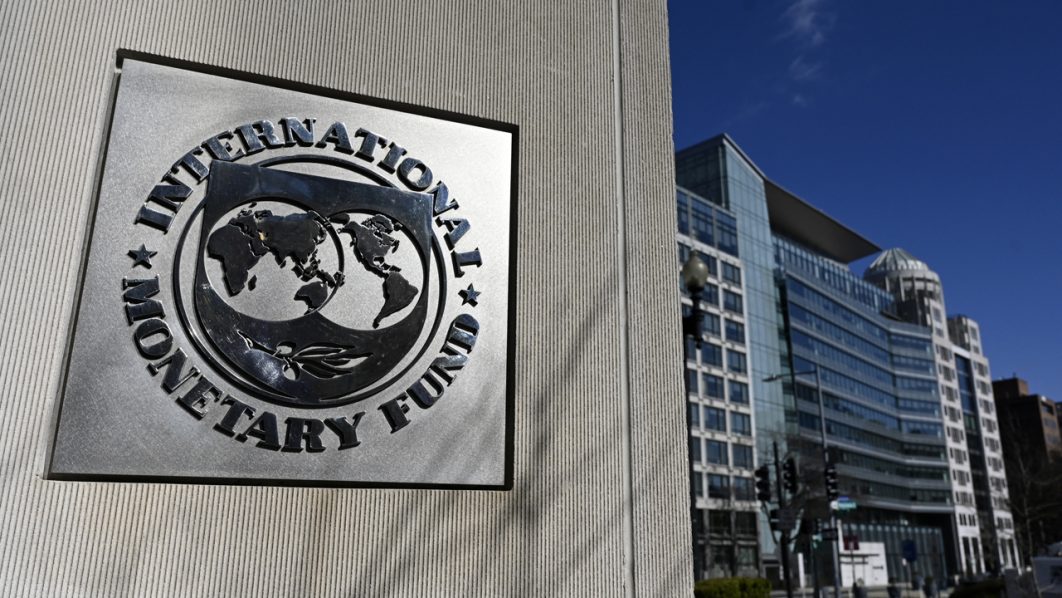
A new white paper from Transparency International U.S. (TI U.S.) has examined links between weak governance and the financial impact of International Monetary Fund (IMF) loan programmes.
[ad]
The paper makes specific recommendations on how to improve the likelihood of better fiscal outcomes for the country of new IMF loan programmes. TI U.S. lead author, Annalise Burkhart said the data points to clear links between corruption and sovereign debt distress to break the cycle of debt and default in these countries, improving accountability appears to be the key.
The paper urges the American government to use its diplomatic influence at the IMF to promote anti-corruption provisions as a priority in new loan agreements.
Burkhart explained that America is the IMF’s largest investor and has a unique role to play.
“Working with on-the-ground experts and advocates in recipient countries, America can help promote needed and lasting reforms that build sustainable economies ultimately benefiting the lives of everyday citizens,” he said.
The paper details how in 2003, IMF staff took the position that government accountability and transparency fell outside of the Fund’s core mission, but the IMF has since evolved to recognise that these governance issues are critical to the success of a loan programme.
“The IMF can address these issues, through, for example, Governance Diagnostics — in-depth assessments of corruption risks and governance vulnerabilities across core state functions, with concrete, time-bound policy recommendations tailored to each country,” Burkhart added.

TI U.S. Executive Director, Gary Kalman, a contributor to the paper, explained that corruption’s impact on lending programmes this way is when aid money is lost to corruption, it is a tragic loss of opportunity, but stolen loan funds compound the tragedy by creating an onerous debt burden for generations to come.
To address the problem, the paper calls on American representatives to the IMF to push for binding reforms. The paper also recommended that governments receiving loans should ensure to make specific, measurable, and time bound commitments as part of the loan agreements, with consequences for noncompliance.
[ad]

