 Follow Us on Google News
 Follow Us on Google Discover
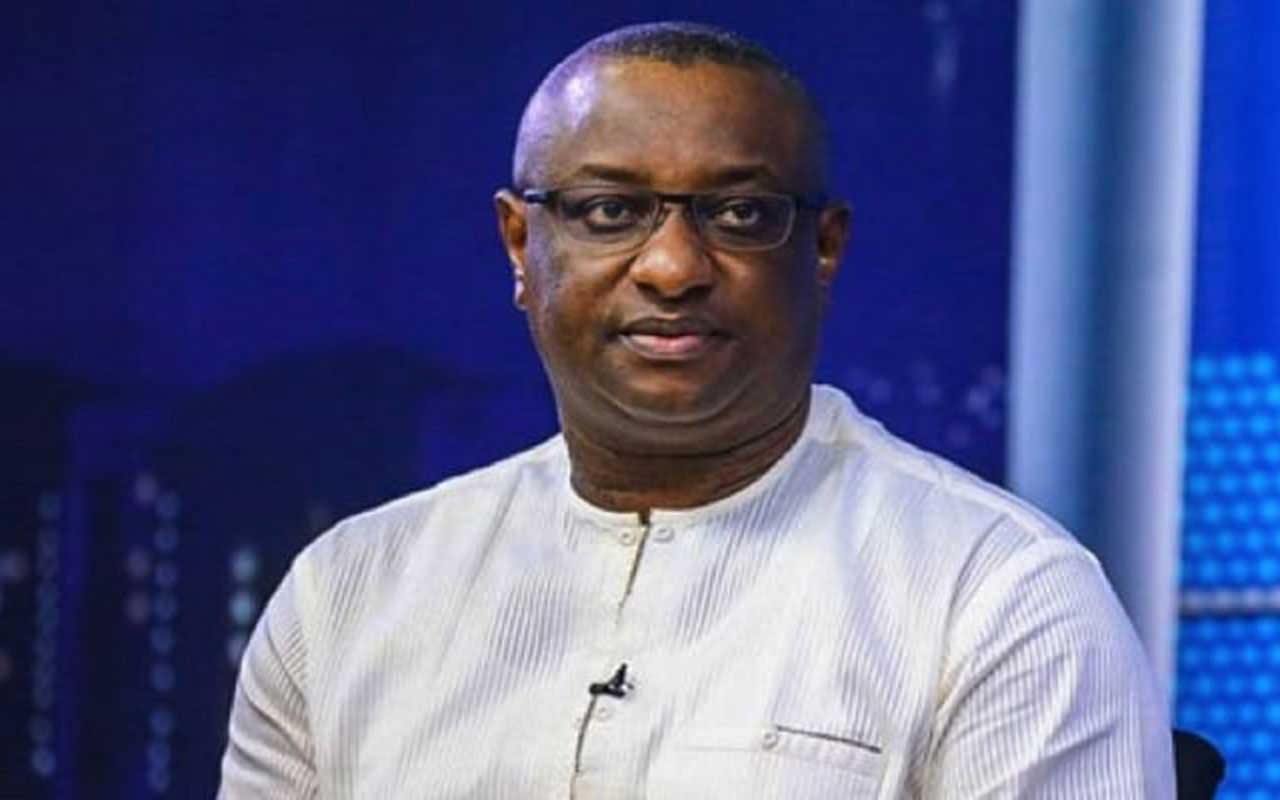
When President Bola Ahmed Tinubu appointed Festus Keyamo to head the air transport sector, many were sceptical of the lawyer’s relevance in the highly regulated and technical industry. As if to prove doubters wrong, Keyamo hit the ground running with some quick wins in the critical sector that is also facing one of its worst nightmares.
[ad]
Across both the local and international segments of the industry, the cost of operation and attendant airfares further spiked in the last one year. While air travellers lament the surge in cost and poor services, operators felt hard pressed by the forex illiquidity, more difficulties in meeting maintenance schedules, and a generally hostile environment.
The Minister, therefore, had his work cut out in the area of key interventions to ease the operational burden on both the operators and travellers.
True to type, the Minister set the ball rolling with a pocket of interventions that touched the airports, airline operators, regulatory agencies and service providers.
Specifically, he saw to the re-opening of the renovated E-arrival Wing at the old Murtala Muhammed International Airport (MMIA) Lagos; the procurement of scanners for five international airports in Lagos, Abuja, Kano, Port Harcourt and Enugu.
The airport scanners intend to put an end to airport officials having to manually screen bags of passengers, and deepen security.
[ad]
Other deliverables include the reopening of Runway 18R of Lagos Airport; and the relocation of the headquarters of the Federal Airports Authority of Nigeria (FAAN) from Abuja to Lagos, “to save about N1 billion spent on Duty Tour Allowance (DTA) yearly”.

Besides the Central Bank of Nigeria (CBN) defraying foreign airlines’ stuck fund some months ago, the administration also assisted local airlines in taking advantage of the Bilateral Air Service Agreement (BASA) rights, ensuring Nigerian airlines get reciprocal rights to fly globally, beginning with Air Peace airlines.
Keyamo said the strategic move broke the longstanding monopoly of the United Kingdom-Nigeria route, with Air Peace airline being granted reciprocal right to fly to the UK.
Another milestone was the recent reduction of 50 to 20 per cent of aviation’s remittance of Internally Generated Revenue to the Treasury Single Account (TSA), to avail the aviation agencies more revenue for operations. Also, the facilitation of payment of 45-month arrears owed to staff of the Nigeria Meteorology Agency (NIMET).
For thee footprints, the Chief Executive Officer of West Link Airlines, Capt. Ibrahim Mshelia, commended the Minister for undertaking these “bold steps”.
Mshelia gave instance of how the minister was able to stop activities of illegal chatter operators that have been sabotaging the industry for a very long time.
He noted that there were certain times Keyamo crossed the line (via illegal interference in operational issues), “but that I will blame it on his advisers”.
“He is a lawyer and not an aviator, but he has performed very well so far. He has shown boldness,” Mshelia said.
He added: “Again, just a few days ago, he wrote to the United Kingdom Secretary of State for transport concerning Heathrow Airport for Air Peace. That is a very good move and I like that boldness because it is supposed to be reciprocity. Our Bilateral Air Service Agreement (BASA) arrangement says ‘operation into prime airports’. We have only one carrier that is going to the United Kingdom; the authority there should even give us Terminal Four, not even Terminal Three because their airlines are getting Lagos Airport, which is our most primed airport, but they are pushing us in the bush through London Gatwick Airport.
“RwandAir is flying into Terminal Four and that terminal is 10 times better than Terminal Three. This is one other good thing that the minister has done and he should be commended for his stance,” Mshelia said.
[ad]
Apparently in agreement, ex-Nigeria Airways Pilot, Capt. Mohammed Badamasi, also noted that the Minister inherited many issues when he assumed office, including the controversial Nigeria Air project, the concession of four airports, flight delays, cancellations, shortage of serviceable aircraft, multiple destinations, taxation, dollar security and repatriation, airport land encroachment, rising airfares, touting and hawking, among others.
“The minister was able to solve the dollar repatriation issue with foreign airlines, strengthened the security arrangements at the airports, and successfully stopped airports land encroachment.”
Badamasi, however, stressed the need for the minister to fully recognise the autonomy of the Nigeria Civil Aviation Authority (NCAA), and strengthen the apex regulator to tackle its perennial challenges.
Other stakeholders harped on the need for Keyamo to reduce routine travels overseas; rather, to sit and address myriads of challenges bedevilling local airlines, especially multiple tariffs by aviation agencies, high foreign exchange rates, low capacity by domestic airlines to meet the demand rate, and lack of access to credit facilities at the single-digit interest rate.
The Chairman of United Nigeria Airlines, Prof. Obiora Okwonkwo, while speaking recently said there was a disproportionate number of grounded aircraft compared to the ones that are flying, and that access to single-digit loans is impossible.
He said these challenges, coupled with multiple taxations and unfavourable foreign exchange rates, create an insurmountable hurdle for the airlines to survive and grow.
“I said two years ago that the sector is on a life support machine and is taking oxygen. Some sectors are more vulnerable to any volatile situation and aviation is one of them. Any little thing can affect it adversely. You can wake up and if the weather is not good, you won’t be able to fly. The sector has been having an existential threat. What is keeping the new breed of operators like Air Peace is our level of resilience and patriotism. If we have to weigh our operations based on our profits and losses, we would have long closed shop.
“We need to grow our fleet. We need to increase our capacity and for that reason, we need to have access to single-digit loans. We have not asked the government to give us grants. We go to the market to compete for commercial loans at a 35 per cent interest rate, and we don’t have access to the window of foreign exchange. For over a year now, we have not bid in the open market and when you access it, the rate is very high and it makes it very difficult for domestic airlines to compete.
“When an American goes to his bank, he gets loans at one or two per cent interest rate and has 10 to 20 years to pay back. But when you go to your bank, you get loans at 35 per cent with a caveat that the rate is subject to change without notification and the next day the Central Bank of Nigeria hikes the MPR, then the bank starts charging you 40 per cent interest. So, how can you survive?
[ad]
“We have also said it several times that Nigerian airlines are over-taxed. For every single ticket that is sold, about 20 deductions are going to different government agencies and these deductions constitute a great percentage of the fare that we charge clients. It is known all over the world by ICAO rules that aviation agencies can only work to recover their costs and not to make a profit, talk less of being a source of revenue for the government,” he lamented.
An Aviation expert, Olumide Ohunayo, also stressed that the way forward from the current quagmire is for the government to consider licensing another set of airline operators, not necessarily the big ones, but those with smaller aircraft and the conditions of entry and the regulations for them should be a bit lower including the cost of entry, to enable them to come in and help operate those unviable airports.
Ohunayo said: “America has such a system in Part 135 and Part 121. Part 135 is for the smaller aircraft so we are looking at something like that to be in place so that we will have a new set of operators that will tap into general aviation and airports that have been abandoned.
Government can also provide soft loans, not subsidy or grants, but loans repayable by the operators,” Ohunayo said.
[ad]

