 Follow Us on Google News
 Follow Us on Google Discover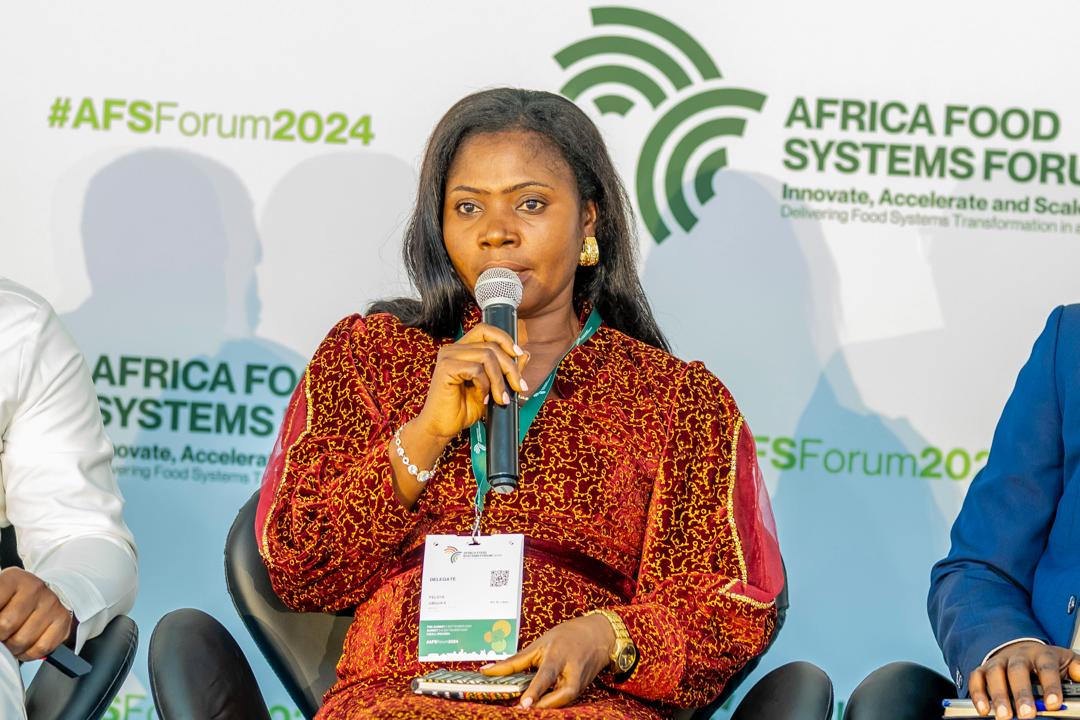

Smallholder farmers from across Africa took centre stage at the African Food Systems (AFS) Forum 2024, sharing their stories on how access to the right financing and technology has transformed their productivity and incomes.
[ad]
The forum, held from September 2 to 6 in Kigali, Rwanda, gathered key stakeholders, including policymakers, industry leaders, and international organisations, to foster high-level commitments to addressing Africa’s food systems challenges. The theme for this year’s event was “Innovate, Accelerate and Scale: Delivering Food Systems Transformation in a Digital and Climate Era.”
The farmers, who are partners of Heifer International—a global nonprofit organisation focused on ending hunger and poverty—presented their experiences at various side events throughout the forum. They noted how strategic investments in technology and financing have significantly boosted agricultural productivity, improved food security, and enhanced livelihoods for millions of farmers across Africa.
Agri-Insurance and Mechanization
Felicia Gbukka, a rice farmer from Nigeria, shared her experience with innovative financing and technology through a machinery hire solution provided by Hello Tractor, supported by Heifer. She recounted how Heifer’s initiatives in agricultural insurance and mechanisation helped her recover from a devastating flood in 2021 that destroyed her one-hectare farm.
“A heavy flood came in 2021 and my one hectare of farm was wiped out,” Gbukka said. “Then Heifer and its partners came to Benue State and compensated those of us who had signed up for the insurance scheme. That money helped me purchase inputs for the next farming season. In 2022, I progressed to 10 hectares. Today, I have 15 hectares of rice farm. In two weeks, I’ll start harvesting. The tractors’ scheme helped me a lot to increase productivity, then the insurance scheme helped me avoid bankruptcy.”
Heifer’s partnership with key stakeholders like Leadway Insurance, Olam Agri, Pula Advisors, and ThriveAgric in Nigeria led to the creation of a system that automatically triggers insurance payouts to smallholder farmers when certain conditions are met. This initiative, called the Pay-at-Harvest Area Yield Index Insurance, enabled Ms. Gbukka and over 3,000 other farmers in Northern Nigeria to refinance for subsequent farming seasons after suffering losses.
The tractor hire scheme that also benefited Ms. Gbukka is a key part of Heifer’s mechanisation initiative in Africa. In collaboration with Hello Tractor, an agri-tech company, a pay-as-you-go (PAYG) tractor financing service is facilitating affordable tractor rentals for smallholder farmers across the continent. Beneficiaries of this program have reported income increases of up to 227%, while equipment owners are seeing enhanced profitability, and young people are gaining employment.
Speaking to leaders at the event, Adesuwa Ifedi, Heifer International’s Senior Vice President for African Programmes, stressed the transformative role of digital solutions in Africa’s agriculture. She stressed the importance of digital technologies in food processing, e-marketing, and food waste reduction.
She said, “New data is emerging from the work done by innovators in the agtech space that can now be used to effectively assess the risk of investing in this sector and shift the way we price risk. Leveraging this new data can open the door to more investment into the sector.”
Lekan Tobe, Heifer International’s Country Director in Nigeria, noted the challenges posed by climate change and the need for collaborative efforts to close existing gaps.
“Climate change can result in catastrophic losses for smallholder farmers, and we must work hard to close some of these gaps. For example, in Africa, we have seen cases where a whole village is wiped out by floods. This is why we, especially for smallholder farmers, prioritise removing some of these pain points. We can do more if we work together,” he said.
Solar-Powered Productivity
Representatives from the Dwaniro Dairy Farmers Cooperative Ltd. in Uganda spoke about the impact of renewable energy investments on their operations. Charles Ibona, General Manager of the cooperative’s processing plant, shared how the use of solar components, supported by Heifer, significantly reduced diesel costs, resulting in increased income.
“Since Heifer came in and supported us with the use of solar components,” Ibona said, “it significantly reduced our diesel costs, giving us more income as the money for diesel has been saved.”
[ad]
Kawooya Steven, Production Manager of the cooperative, added: “Solar as a source of energy is more reliable. Our coolers need a reliable source of energy, so when with solar, we are very sure that our milk will be well preserved compared to using other sources of energy. Also, with solar, our production costs have gone down.”
William Matovu, Heifer International’s Country Director for Uganda, further emphasised the benefits of renewable energy: “Just by establishing a power station run by solar in a community, we are not just lighting up the area, but also stimulating production and productivity. This is catalysing growth of other small businesses in the area, local schools are similarly affected, smallholder farmers are increasing their incomes and investing in the local economy. It is a game changer because the community has changed. For us, this is what impactful transformation looks like.”
During the forum, Heifer also launched its mechanisation initiative in Rwanda. In partnership with Hello Tractor and the Rwandan Ministry of Agriculture, the organisation handed over the first batch of 15 smart tractors to farmer representatives from across the country to boost agricultural productivity. Jehiel Oliver, CEO & Founder of Hello Tractor, emphasised the initiative’s potential to revolutionise agricultural productivity. “These tractors will not only enhance efficiency but also support farmers nationwide,” he stated.
The mechanisation initiative combines technology with generations of local farming expertise, ensuring that new tools complement traditional practices and are adapted to local crops and environmental conditions.
[ad]

