 Follow Us on Google News
 Follow Us on Google Discover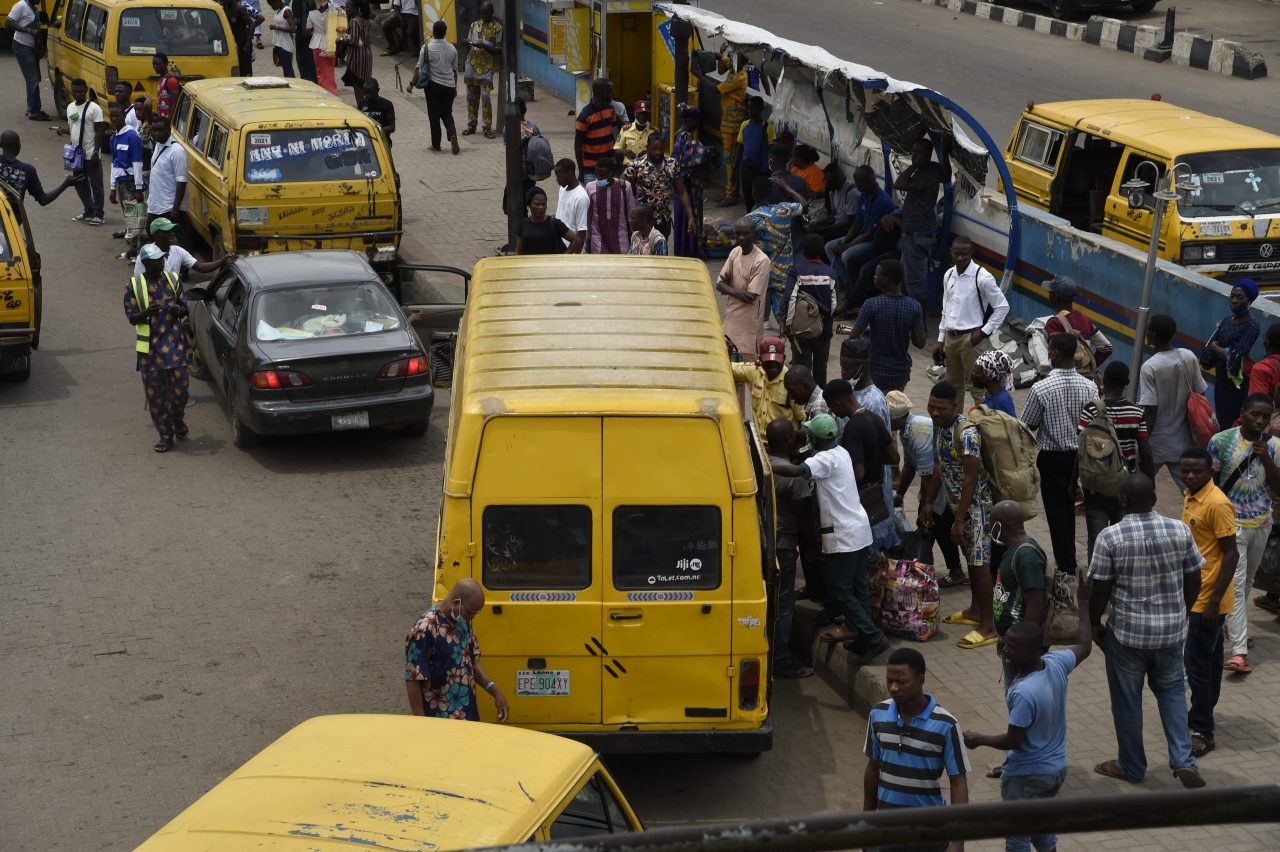
A cross-section of Nigerian workers on Friday expressed growing frustration over the increasing cost of transportation, attributing it to the persistent rise in fuel prices.
[ad]
In separate interviews with the News Agency of Nigeria (NAN), the workers decried the impact of high transportation costs on their finances and overall well-being.
Mr Anosike Godson, a dentist, noted that his regular route to work now costs N500 up from N200 a year ago.
“The difference is staggering, and it has drastically affected my daily expenses.”
[ad]
Godson added that salaries have remained stagnant in spite of the steep increase in transportation costs.
“I haven’t had any salary increment, and it’s tough.”
Mr Ubokabasi Ekam, an engineer, called for fuel price control to reduce transportation fares.
“Transportation prices have tripled, making it unmanageable.”
[ad]
Mr Ubong Udoekpo, a lawyer, said transportation now consumes more than half his salary. “Most workers consider resigning due to unsustainable salaries.”

Ms Joy Light, a civil servant, stated that transportation expenses equal her entire salary.
“I’ve had to reduce my workdays. How can one survive if all the money earned goes to transport?”
The workers emphasised that the fuel hike has triggered a ripple effect across the economy, driving up prices of essential goods and services.
[ad]

