 Follow Us on Google News


 Follow Us on Google Discover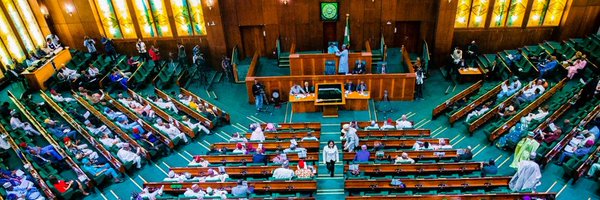
The House of Representatives has started deliberation for the establishment of Armed Forces farms and ranches in the country.
[ad]
Pursuant to the goal, the proposed legislation sponsored by Babajimi Benson (APC, Lagos) scaled the second reading hurdle on Tuesday at a plenary presided by the deputy speaker of the House, Benjamin Kalu.
Leading the debate on the bill, Benson argued that the initiative is aimed at boosting agricultural production by leveraging the resources and capabilities of the Nigerian Armed Forces.
He added that the initiative, which is not alien to the country, would help in diversifying the economy, reducing reliance on oil revenue and addressing food security challenges in the country.
[ad]
He contended that by involving the military in agricultural activities, the scheme would improve food production and contribute to national food security, leverage extensive land holdings, manpower, and organisational capacity of the military, and support Nigeria’s broader economic diversification strategy by promoting agriculture as a viable economic alternative to oil.
He said further that the military will not have to source any land as it will allocate land for farming from its arable land located in various parts of the country, making it possible to cultivate different types of crops suited for different climatic conditions.
Benson said further that the scheme will involve an effective collaboration strategy with other ministries and agencies of government while employing integrated farming systems that combine crop cultivation with livestock and fish farming to maximise land use efficiency and enhance biodiversity.
[ad]
Speaking on the benefits, he said the scheme will contribute to higher agricultural productivity and output, which can help stabilise food prices and reduce imports; create jobs for both military personnel and civilians, thus helping to reduce unemployment, while impacting valuable skills that can be used in future agricultural and economic activities.
He said that by increasing agricultural production, the scheme will support local economies and contribute to overall economic growth.

He stressed the nexus between insecurity and food security and hunger has been identified as a major driver of insurgency, adding that military involvement in agriculture will stimulate the economy and reduce youth restiveness and criminality, thus serving as a kinetic approach to fighting the menace of insecurity.
[ad]

