 Follow Us on Google News


 Follow Us on Google Discover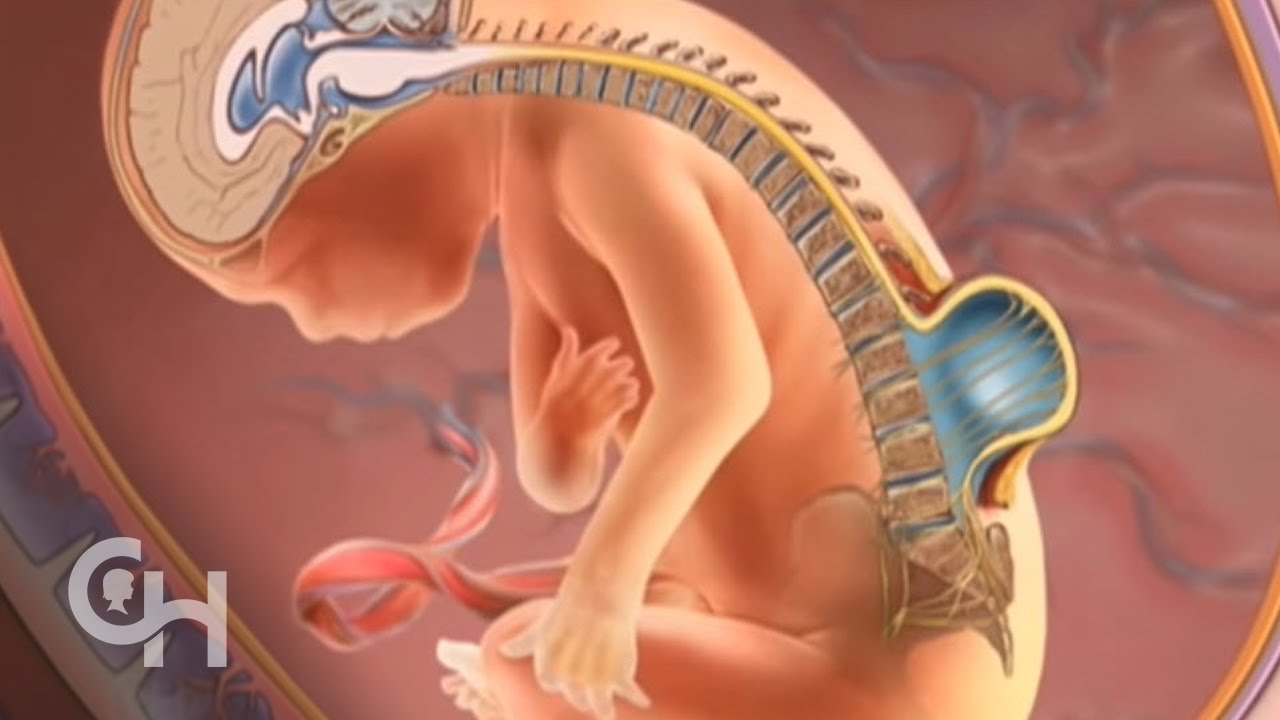
The Festus Fajemiko Foundation (FFF), in collaboration with Shine UK, has called for enhanced skills, knowledge and capacity building of health workers to improve the care and management of patients living with spina bifida.
[ad]
The group made the call during a media parley in Lagos, as part of the Foundation’s Saving Lives Improving Futures (SLIF) project, and called for more focus on training healthcare workers, equipping medical facilities, and raising public awareness to improve outcomes for individuals with spina bifida.
Spina bifida is a birth defect that occurs when the spine and spinal cord do not develop properly in the womb. It’s a type of Neural Tube Defect (NTD), which happens when the neural tube doesn’t close during early pregnancy and develops complications.
Executive Director, FFF and Co-Project Lead, SLIF, Afolabi Fajemilo, said that comprehensive care can improve the quality of life and prospects of those affected and emphasised the urgency to improve care for individuals with spina bifida, particularly addressing bladder and bowel incontinence, which often accompanies the condition.
While Fajemilo lamented that no public health facility in Nigeria offers a stand-alone continence care and management clinic for people with spina bifida, he noted that the foundation through the SLIF project and funding from the UK Department of Health and Social Care, currently works together with about eight tertiary hospitals in the country to provide comprehensive continence care and management clinics.
Fajemilo said although the project aims to reach about 250 patients, 240 patients are currently accessing improved continence care through those eight established clinics and outreach.
He added that about 89 nurses have been trained in improved knowledge of disability-inclusive continence care and management.
A social worker and project volunteer, Lara Fernandez, explained that spina bifida typically develops between the 24th and 48th day of gestation with symptoms ranging from mild issues, such as bladder control problems, to severe complications like leg ulcers and fluid build-up in the brain.

Fernandez highlighted genetic and environmental factors, including obesity and diabetes.
[ad]

