 Follow Us on Google News


 Follow Us on Google Discover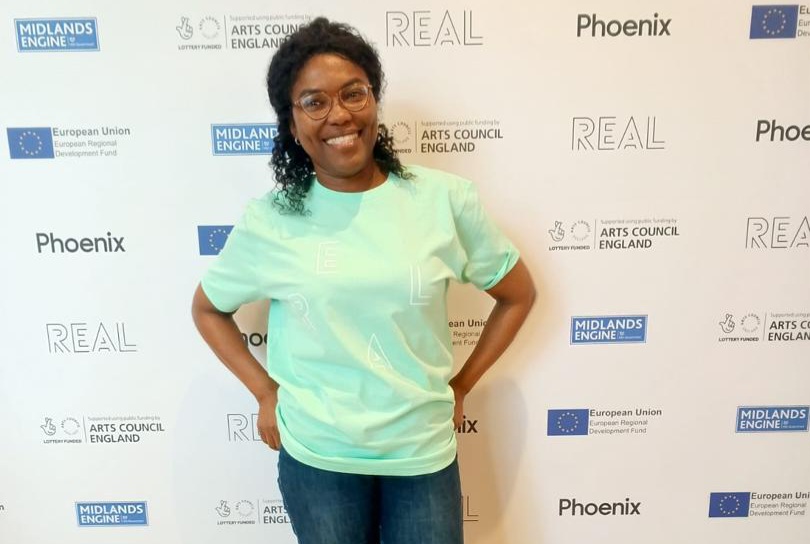
 Nkoyo Lynn Majebi, an accomplished professional in global health, policy analysis, and educational innovation. In this interview, she speaks on her journey and motivation on these key areas.
[ad]
You have been recognised as an extraordinary scholar in the fields of global health, what influenced your journey through this path?
My journey into research began with a deep-seated passion for addressing inequalities and creating sustainable solutions for underserved populations. Growing up in Nigeria, I witnessed firsthand the disparities in healthcare access and educational opportunities, which sparked my interest in these fields. My academic background in sociology and later global health provided a solid foundation to explore these challenges systematically. Over time, I realized the importance of integrating policy, education, and community-based interventions to drive impactful change. This realisation has been the driving force behind my research and professional endeavors.
Your article, “Maternal Mortality and Healthcare Disparities: Addressing Systemic Inequities in Underserved Communities,” has been widely acclaimed. Can you share the key findings and their implications for global health?
Absolutely. That work aimed to shed light on the systemic inequities that disproportionately affect maternal health outcomes in underserved communities. We identified several key factors, including socioeconomic barriers, geographic disparities, and implicit bias within healthcare systems. One of the critical insights was the intersection of social determinants of health, such as poverty and education, with access to maternal care. By analyzing case studies, including Black maternal health in the U.S. and Indigenous maternal health in Canada, we highlighted the urgent need for culturally competent care models and community-based solutions, such as the integration of doulas and telehealth services. These recommendations are designed to inform policies aimed at reducing maternal mortality rates globally, particularly in marginalized populations.
Your article, “Community-Based Interventions to Prevent Child Abuse and Neglect: A Policy Perspective,” addresses a critical issue. What inspired you to focus on this topic, and what were your findings?
Child abuse and neglect are pervasive issues with long-term consequences for individuals and communities. What inspired this research was the pressing need to understand how community-driven strategies can mitigate these challenges effectively. The study emphasized the role of multi-sector collaboration, including policymakers, social workers, and local organizations, in creating safer environments for children. We discovered that successful interventions require robust policy support and adequate resource allocation. One of the standout findings was the effectiveness of grassroots programs that empower community members to take active roles in protecting children.
By addressing systemic barriers and fostering local partnerships, these initiatives have the potential to transform child welfare systems on a global scale.
Your publication, “Integrating Trauma-Informed Practices in U.S. Educational Systems,” is both timely and transformative. How does this work contribute to addressing behavioral challenges in underserved communities?
Thank you for that. This work delves into how trauma—particularly in underserved communities—affects students’ behavioral and academic outcomes. We explored how trauma-informed practices can create supportive environments in schools by training educators to recognize and address the impact of trauma. One of the key contributions of this research was its emphasis on systemic reforms. For example, incorporating social-emotional learning into curricula and fostering collaboration between schools and community organisations. We also identified the barriers to implementing these practices, such as resource limitations and resistance to change. By advocating for policy changes and increased funding, the study offers a pathway for creating equitable and effective learning environments for students impacted by trauma.
Your work spans such diverse yet interconnected areas. How do you see these fields—global health, child welfare, and educational reform—converging in your future research?
That’s a great question. These fields are deeply interconnected because they all deal with systems that influence human well-being. For instance, improving maternal health outcomes directly affects child welfare, and addressing trauma in education can break cycles of disadvantage in communities. My future research aims to explore these intersections further, focusing on holistic approaches that integrate healthcare, education, and policy reform. By addressing these challenges collectively, we can create sustainable solutions that uplift entire communities.
What advice would you give to emerging researchers who aspire to tackle complex global challenges like you have?
My advice would be to stay curious and resilient. Complex challenges require interdisciplinary approaches and a commitment to lifelong learning. It’s essential to engage with communities, understand their unique contexts, and ensure your work is both rigorous and actionable. Collaboration is key—whether it’s with other researchers, policymakers, or community leaders. And most importantly, stay true to your passion and let it guide your research journey.
[ad]


