 Follow Us on Google News
 Follow Us on Google Discover
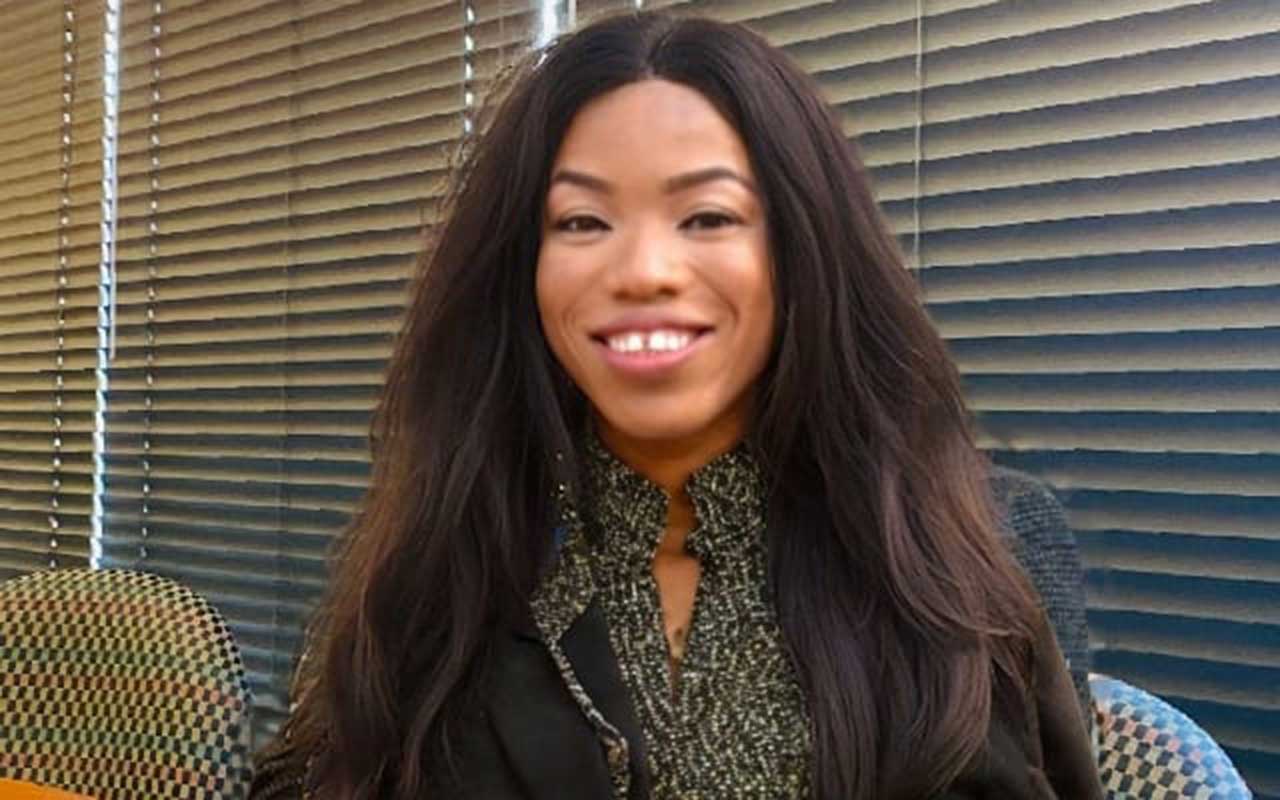 Amid growing global concerns over environmental pollution and the struggle for clean air, Chibuzor Stella Amadi, a health advocate and researcher has emphasized the urgent need for increased awareness and early intervention strategies to address secondhand smoke exposure. She stresses that there is no safe level of exposure to secondhand smoke, making it a major public health concern.
[ad]
With rising cases of coronary heart disease, stroke, lung cancer, respiratory infections, and asthma attacks, Amadi emphasizes the need for public health approaches to integrate secondhand smoke exposure as a critical component of overall healthcare policies. According to the World Health Organization (WHO), lung cancer was the leading cause of cancer-related deaths in 2020, accounting for an estimated 1.8 million deaths. Additionally, cardiovascular diseases were the leading cause of death globally in 2019, with approximately 17.9 million fatalities.
As a researcher specializing in environmental and community health, Amadi’s latest work provides scientific explanations of the health effects of secondhand smoke while offering practical recommendations for mitigation. An advocate for clean air and community well-being, she has been at the forefront of initiatives promoting community safety and improved wellness.
Her research, Assessment of Health Status During Exposure to Cigarette Smoke Using Blood Chemistry, Lung Tissue Histology, and Myocardial Metabolism, has provided firsthand insight into the challenges surrounding secondhand smoke exposure. She highlights the prevalence of misconceptions in African communities regarding “safe” smoking alternatives, such as waterpipes (shisha) and e-cigarettes, which still produce harmful secondhand smoke. Additional challenges include the weak enforcement of smoke-free environment policies, limited public awareness, cultural norms, and inadequate tobacco control regulations.
“Public health implications of secondhand smoke are real, and they affect people from all walks of life,” Amadi stated. “The challenge, however, is that many individuals are unaware of the serious health risks associated with secondhand smoke. Even when they are informed, they often lack the power or resources to protect themselves in their homes, workplaces, and public spaces.”
Amadi emphasized that exposure to cigarette smoke should not be treated as a secondary issue but as a priority in healthcare discussions. “We often talk about physical health, but we must also recognize that secondhand smoke exposure significantly impacts respiratory and cardiovascular health, contributing to chronic illnesses and preventable deaths,” she explained.
Citing her experience at Nnamdi Azikiwe University, Nyanya General Hospital, the University of Lagos and Como Consult Limited, where she has contributed to student and community well-being initiatives and smoke-free advocacy campaigns, Amadi stressed the need for universities, workplaces, and community organizations to implement comprehensive smoke-free policies. These should include awareness programs and support systems that educate individuals on the dangers of secondhand smoke while promoting healthier, smoke-free environments. “Early intervention and awareness programs can make all the difference,” she noted.
[ad]
“We need to educate more people on the dangers of secondhand smoke, provide resources for smoking cessation support, and create smoke-free environments where individuals can advocate for their health without fear of social or cultural resistance.”

Amadi also urged policymakers to prioritize secondhand smoke exposure by increasing funding for tobacco control programs and public awareness campaigns. She called on governments, particularly in African countries, to implement policies that promote smoke-free environments in schools, workplaces, and public spaces.
“We have made progress, but there’s still a long way to go,” she noted. “Secondhand smoke exposure is just as harmful as direct smoking, and it’s time we start treating it with the urgency it deserves.”
Beyond policy changes, Amadi believes that the media and healthcare professionals play a crucial role in shifting public perceptions about secondhand smoke exposure.
“We need to normalize discussions about the dangers of secondhand smoke. The more we talk about it, the more people will understand its risks and take steps to protect themselves and others,” she asserted.
She also emphasized the need for increased training among healthcare professionals to recognize and address tobacco-related health risks. “Many people visit clinics for respiratory issues without realizing they are linked to secondhand smoke exposure. If healthcare providers are not trained to identify and address these concerns, the long-term health risks often go unnoticed,” she explained.
Amadi emphasized the importance of grassroots smoke-free initiatives that promote healthier environments.
“Not everyone has access to smoking cessation programs, but community-driven interventions, such as public awareness campaigns and smoke-free advocacy groups, can make a significant impact,” she said.
As tobacco-related illnesses continue to rise globally, experts like Amadi remain dedicated to ensuring that individuals have the knowledge and resources to protect themselves from secondhand smoke.
Amadi’s unwavering commitment to public health and clean air highlights the urgent need for collective action in creating smoke-free environments, protecting vulnerable populations, and shaping policies that prioritize health over tobacco interests.
[ad]

